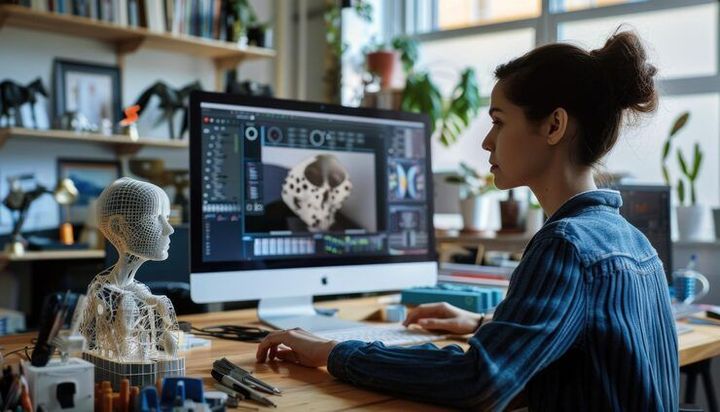
AI Image Creation: A Complete Guide to Basics and Key Concepts
AI image creation is transforming how visuals are produced, edited, and shared. Instead of relying solely on traditional design tools, users can now generate images using text descriptions and intelligent algorithms. This approach makes visual content more accessible to beginners while also giving experienced creators new ways to experiment.
At its core, AI image creation uses machine learning models trained on massive datasets of images and text. These models learn patterns, styles, and relationships, enabling them to produce entirely new visuals from simple prompts. As a result, creativity becomes faster, more flexible, and less dependent on manual skills.
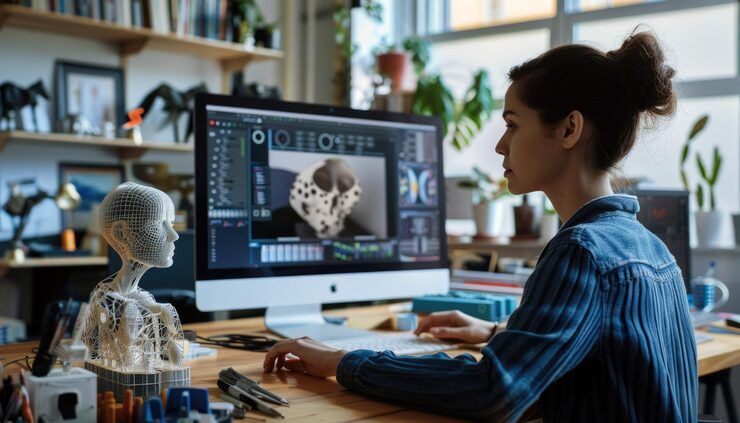
How AI Image Generation Works
AI image creation relies on deep learning techniques that interpret text prompts and convert them into visuals. These systems analyze words, context, and artistic styles to generate images that match user intent.
Most modern tools use diffusion or generative adversarial networks. Diffusion models gradually refine noise into a clear image, while GANs use two networks working together to improve output quality.
The process typically involves:
- Inputting a text prompt or idea
- Processing the request using trained models
- Generating multiple image variations
- Refining the result based on user feedback
This workflow allows users to iterate quickly and achieve desired outcomes without complex software knowledge.
Key Concepts Behind AI Image Creation
Understanding the core concepts helps you use AI tools more effectively. These ideas form the foundation of how images are generated and improved.
Text-to-Image Generation
Text-to-image generation is the most common method. Users describe what they want, and the AI creates visuals based on that description. The more detailed the prompt, the better the result.
Style Transfer
Style transfer allows users to apply artistic styles to images. For example, a simple photo can be transformed into a painting-like image or a futuristic design.
Prompt Engineering
Prompt engineering refers to crafting effective text inputs. The choice of words, structure, and detail level can significantly impact the final output.
Key tips for better prompts:
- Use clear and descriptive language
- Include style, mood, and lighting details
- Specify colors, objects, and composition
- Avoid vague or overly complex phrases
Popular Applications of AI Image Creation
AI-generated images are used across many industries. From education to marketing, the possibilities continue to expand.
Common applications include:
- Content creation for blogs and websites
- Social media visuals and graphics
- Concept art and design prototyping
- Educational illustrations and diagrams
- Branding and creative storytelling
These uses highlight how AI tools reduce the time required to produce high-quality visuals while maintaining creative control.
Tools and Technologies Overview
There are many AI image generation tools available today, each offering unique features. Some focus on artistic styles, while others prioritize realism or customization.
Below is a simple comparison of common tool categories:
| Tool Type | Main Feature | Best For उपयोग | Ease of Use |
|---|---|---|---|
| Text-to-Image Tools | Generate images from prompts | Beginners & creators | Easy |
| Editing Tools | Modify existing images | Designers | Moderate |
| Style Tools | Apply artistic effects | Artists | Easy |
| Advanced Platforms | Fine control & customization | Professionals | Advanced |
Choosing the right tool depends on your goals, skill level, and desired output quality.
Benefits and Limitations
AI image creation offers many advantages, but it also comes with certain limitations. Understanding both sides helps you use the technology responsibly.
Benefits include:
- Faster content creation
- Accessibility for non-designers
- Endless creative possibilities
- Easy experimentation with styles
Limitations include:
- Occasional inaccuracies in generated images
- Dependence on prompt quality
- Ethical concerns around originality
- Limited control compared to manual design
Balancing these factors ensures better results and more informed use of AI tools.
Ethical Considerations and Best Practices
As AI image creation grows, ethical concerns become more important. Issues such as copyright, originality, and misuse must be addressed.
Best practices to follow:
- Avoid generating misleading or harmful content
- Respect intellectual property and artistic ownership
- Use AI responsibly in professional and educational contexts
- Be transparent when using AI-generated visuals
Responsible use ensures that AI remains a positive tool for creativity and innovation.
Future of AI Image Creation
The future of AI image creation looks promising, with rapid advancements in quality and realism. Models are becoming more accurate, faster, and easier to use.
Emerging trends include:
- Real-time image generation
- Improved customization and control
- Integration with video and animation tools
- More personalized creative experiences
As technology evolves, AI image creation will likely become a standard part of digital content workflows.
Conclusion
AI image creation is reshaping how visuals are designed and shared. By combining machine learning with creative input, it opens new possibilities for both beginners and professionals.
Understanding the basics and key concepts helps you make the most of these tools. With the right approach, AI can enhance creativity, improve efficiency, and expand the boundaries of visual storytelling.