Humidifiers: Complete Guide to Basics, Benefits, Tips, Insights, and Healthy Air Information
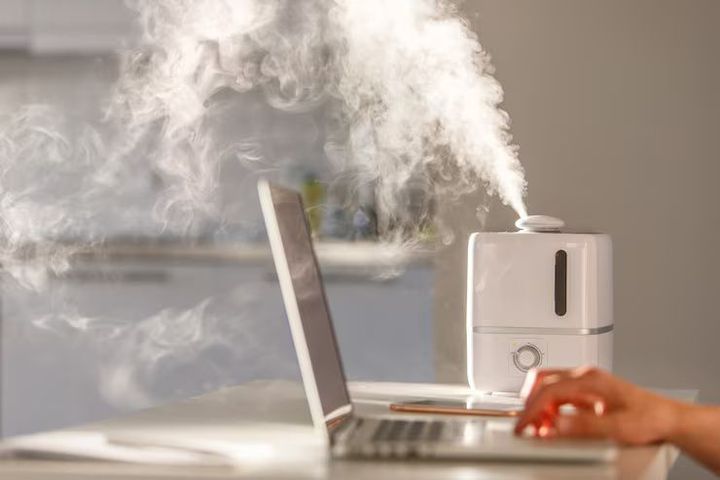
Humidifiers are household devices designed to increase the amount of moisture in indoor air. They release water vapor or fine mist into a room to raise humidity levels, which can help balance dry indoor environments. Dry air often occurs during colder seasons, in air-conditioned spaces, or in areas where indoor heating systems remove moisture from the air.
Understanding humidifiers begins with knowing how humidity affects indoor comfort and air quality. Humidity refers to the amount of water vapor present in the air. When humidity levels fall too low, indoor air can feel dry and uncomfortable. Humidifiers help restore moisture, supporting a more balanced indoor atmosphere.
There are several types of humidifiers used in homes and workplaces. Common types include evaporative humidifiers, ultrasonic humidifiers, steam vaporizers, and impeller models. Each type produces moisture in a slightly different way, but all aim to increase indoor humidity levels.
Humidifiers exist because maintaining appropriate humidity can influence indoor comfort, skin hydration, and respiratory ease. Many people encounter dry indoor air due to heating systems, seasonal climate changes, or sealed building environments. In these situations, humidifiers provide a practical way to adjust indoor humidity levels.
Importance
Indoor air humidity plays an important role in overall indoor environmental quality. When air becomes too dry, it can contribute to discomfort such as dry skin, throat irritation, or static electricity buildup. Humidifiers help moderate humidity levels, which may reduce these issues.
Balanced humidity can also influence how people perceive temperature. Moist air can feel warmer than very dry air, which may affect indoor comfort during colder seasons. Humidifiers therefore contribute to maintaining a comfortable indoor atmosphere.
Humidifiers may also support indoor environments where plants, wooden furniture, or musical instruments are present. Extremely dry air can affect certain materials over time, especially wood-based items. Controlled humidity levels help maintain environmental balance.
Another area where humidifiers are discussed is respiratory comfort. Dry air may irritate nasal passages and throats in some individuals. By increasing moisture in the air, humidifiers can help reduce dryness in indoor breathing environments.
Common Situations Where Humidifiers Are Used
Humidifiers are often used in several everyday environments, including:
- Homes during winter months: Indoor heating systems frequently reduce air moisture.
- Air-conditioned spaces: Continuous air conditioning can remove humidity from the air.
- Bedrooms and living areas: People may use humidifiers during sleep or relaxation periods.
- Office environments: Enclosed spaces with climate control systems may create dry air conditions.
Maintaining moderate humidity levels is generally considered part of maintaining indoor air comfort.
Typical Indoor Humidity Ranges
Indoor humidity is often measured as relative humidity (RH). Many environmental health guidelines describe comfortable indoor ranges.
| Humidity Level | Indoor Condition Description |
|---|---|
| Below 30% RH | Air may feel dry; static electricity may increase |
| 30–50% RH | Commonly described as comfortable indoor humidity |
| 50–60% RH | Slightly humid but often acceptable indoors |
| Above 60% RH | Air may feel humid and can encourage condensation |
Humidifiers are typically used when humidity levels drop below the comfortable range.
Recent Updates
Between 2024 and 2026, humidifier technology has continued to evolve with a focus on efficiency, monitoring, and user convenience. Many modern humidifiers now include digital humidity displays and automatic humidity control features. These functions allow devices to maintain a preset humidity level rather than continuously releasing moisture.
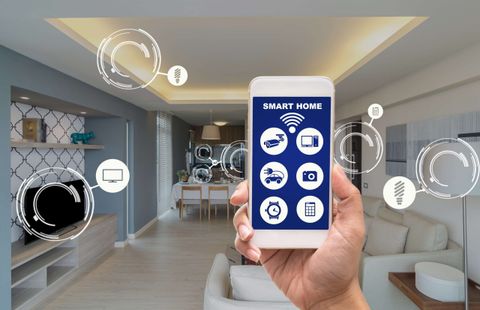
Smart home integration has also become more common. Some humidifiers can connect to mobile applications, allowing users to monitor humidity levels remotely or adjust device settings through wireless connections. These systems may also send notifications when water levels are low or when cleaning is needed.
Energy efficiency improvements have also influenced newer humidifier models. Manufacturers have focused on reducing electricity use while maintaining consistent moisture output. Quiet operation has also become a design priority, especially for humidifiers intended for bedrooms or study areas.
Another trend involves improved filtration and mineral management systems. These systems aim to reduce mineral buildup that may occur when tap water is used. Some humidifiers now include replaceable cartridges or filters designed to capture minerals before they are released into the air as fine particles.
Overall, the recent direction in humidifier development centers on automation, improved monitoring, and ease of maintenance.
Laws or Policies
Humidifiers are generally categorized as household appliances, and their manufacturing and safety standards are influenced by consumer product regulations. In many countries, including India, electrical appliances must comply with safety standards that regulate electrical components, materials, and operational safety.
The Bureau of Indian Standards (BIS) oversees standards for many consumer appliances in India. Products that connect to household electricity systems often follow BIS safety guidelines to ensure safe electrical operation.
Additionally, indoor air quality guidelines may influence how humidifiers are discussed in public health contexts. Organizations such as the World Health Organization provide general guidance about maintaining healthy indoor environments, including ventilation and humidity balance.
Regulations may also address electrical safety labeling, product testing, and compliance with environmental standards. These policies help ensure that appliances used in homes operate safely and meet basic technical requirements.
While humidifiers themselves are not heavily regulated in terms of usage, safety standards and consumer appliance rules help guide their design and manufacturing.
Tools and Resources
Several tools and resources can help individuals understand and manage indoor humidity levels when using humidifiers. These tools assist with monitoring environmental conditions and maintaining proper device operation.
Humidity Monitoring Tools
- Digital hygrometers: Small devices that measure indoor humidity levels and temperature.
- Smart home humidity sensors: Wireless sensors that connect with home automation systems.
- Integrated humidifier displays: Many humidifiers include built-in humidity indicators.
These tools allow users to track humidity levels and understand how indoor conditions change throughout the day.
Informational Platforms and Data Resources
Several organizations publish information about indoor air quality and humidity.
- Environmental Protection Agency indoor air resources: Guides about maintaining healthy indoor air environments.
- World Health Organization environmental health resources: Information about indoor environmental conditions.
- Public health websites: Many national health agencies publish educational content about indoor humidity.
These resources often provide guidance about maintaining balanced indoor humidity levels and avoiding extremely dry or overly humid environments.
Maintenance Checklists
Regular maintenance helps humidifiers operate effectively and maintain clean operation.
Common maintenance practices include:
- Water tank cleaning: Regular cleaning reduces mineral deposits and residue.
- Filter replacement: Some humidifiers include replaceable filters or cartridges.
- Water level monitoring: Ensuring adequate water supply for consistent operation.
Maintenance routines vary depending on the humidifier type and manufacturer instructions.
FAQs
What are humidifiers and how do they work?
Humidifiers are devices that add moisture to indoor air. They operate by releasing water vapor or fine mist into the air, increasing humidity levels in a room. Different models produce moisture using methods such as evaporation, ultrasonic vibration, or heating water to produce steam.
What are the common benefits of humidifiers in indoor environments?
Humidifiers help increase moisture in dry indoor air. Balanced humidity may improve comfort by reducing dryness in the air, which can affect skin, nasal passages, and throat comfort in some environments. Humidifiers also help maintain indoor humidity levels within commonly recommended ranges.
What humidity level is considered healthy indoor air information?
Many environmental health references describe indoor humidity levels between 30% and 50% relative humidity as comfortable for indoor spaces. This range helps balance moisture without creating overly humid conditions.
Are humidifiers suitable for year-round use?
Humidifiers are commonly used during colder months when indoor heating reduces air moisture. However, some indoor environments experience dry air throughout the year due to air conditioning or climate conditions. In those cases, humidifiers may be used whenever humidity levels drop below comfortable ranges.
How often should humidifiers be cleaned?
Cleaning frequency depends on device usage and water quality. Many maintenance guidelines suggest regular cleaning of the water tank and internal components to prevent mineral buildup and maintain proper operation.
Conclusion
Humidifiers are devices designed to increase moisture levels in indoor air. They help address dry indoor environments caused by heating systems, air conditioning, or seasonal climate changes. Balanced humidity contributes to indoor comfort and environmental stability in homes and workplaces.
Recent technological developments have introduced smart monitoring features and improved humidity control in many humidifier models. Regulations related to electrical safety and consumer appliances guide their manufacturing standards. Understanding how humidifiers work, along with proper humidity monitoring and maintenance, helps people manage indoor air conditions effectively.