Emerald jewelry refers to adornments made using emeralds, a green variety of the mineral beryl. Emeralds have been valued for centuries due to their distinct color, natural rarity, and cultural significance. Historically, they were associated with royalty, rituals, and symbolic meaning in many civilizations, including ancient Egypt, South America, and South Asia.
Emerald jewelry is widely used in rings, necklaces, earrings, bracelets, and ceremonial ornaments. Its purpose today extends beyond decoration, offering insights into gemstone quality, craftsmanship, and material science.
Understanding emerald jewelry helps readers learn how gemstones are identified, designed, and preserved. It also supports informed decisions about gemstone care and authenticity.
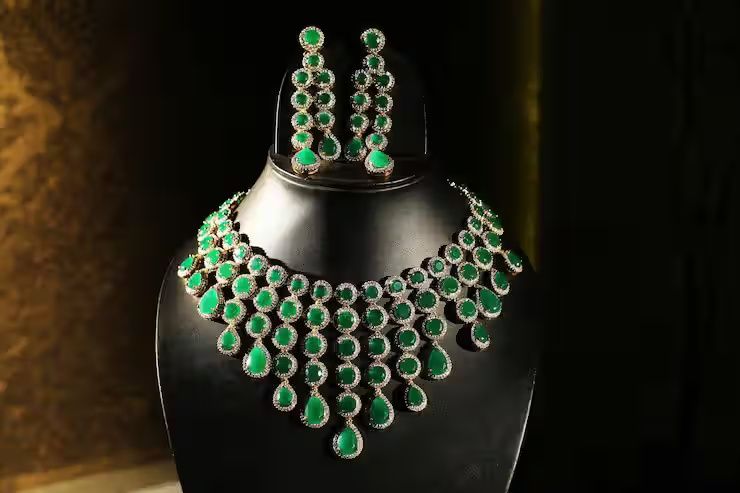
Importance of Emerald Jewelry Today
Emerald jewelry connects traditional gemstone knowledge with modern design practices. It plays a role in education, craftsmanship, and cultural understanding.
Key Reasons This Topic Matters
- Provides insight into gemstone structure and quality
- Supports informed decisions about design and care
- Encourages awareness of authenticity and sourcing
- Helps reduce damage through proper handling knowledge
Groups Affected
- Jewelry designers and artisans
- Students of gemology and material science
- Consumers seeking factual gemstone information
- Cultural researchers studying ornament traditions
Emeralds require special attention due to their natural inclusions and relative softness. Knowledge of these properties helps ensure proper use and preservation.
Recent Updates in Emerald Jewelry (2025)
Recent developments highlight a growing focus on transparency and durability in emerald jewelry. These updates reflect changes in both design and gemstone evaluation practices.
Notable Trends
- Increased use of laboratory certification reports
- Higher demand for untreated or lightly treated emeralds
- Adoption of protective settings such as bezel designs
- Growth of digital gemstone identification tools
These trends emphasize accurate representation and long-term durability rather than visual perfection.
Laws and Policies Affecting Emerald Jewelry
Emerald jewelry is regulated through gemstone trade guidelines and consumer protection laws. These regulations promote transparency and ethical practices.
Key Regulatory Considerations
- Disclosure of treatments such as oiling or resin filling
- Import and export documentation for gemstones
- Accurate labeling and consumer protection standards
- Compliance with international gemstone naming rules
In countries like India, gemstone trade follows customs and trade regulations. Similar frameworks exist globally to ensure responsible sourcing and accurate information.
Tools and Resources for Understanding Emerald Jewelry
Various tools help individuals evaluate emeralds accurately. These resources are widely used in education and professional gemology.
Common Tools and References
- Gemstone identification charts
- Clarity and color comparison guides
- Carat weight estimation tools
- Refractive index reference tables
- Gemological laboratory report databases
Emerald Evaluation Factors Table
| Factor | Description |
|---|---|
| Color | Hue, tone, and saturation of green |
| Clarity | Presence and visibility of natural inclusions |
| Cut | Shape and proportions affecting appearance |
| Carat Weight | Size of the gemstone |
| Treatment | Enhancements such as oiling or filling |
These tools support accurate interpretation of gemstone characteristics.
Design Details and Structure
Emerald jewelry design focuses on balancing appearance with durability. Due to their internal structure, emeralds require protective settings and careful handling.
Common Design Considerations
- Protective settings to prevent edge damage
- Rounded cuts to reduce stress points
- Metal selection to enhance color appearance
- Symmetrical design for stability
Popular Emerald Jewelry Styles
| Jewelry Type | Design Focus |
|---|---|
| Rings | Secure settings with reinforced prongs |
| Necklaces | Balanced weight distribution |
| Earrings | Lightweight construction |
| Bracelets | Protective framing and spacing |
These design features help maintain durability and long-term appearance.
FAQs: Common Questions About Emerald Jewelry
What makes emeralds different from other green gemstones?
Emeralds are a variety of beryl colored by chromium or vanadium. Their deep green color and natural inclusions distinguish them from other stones.
Are inclusions normal in emeralds?
Yes, inclusions are common and often used to confirm authenticity.
How is emerald clarity evaluated?
Clarity standards for emeralds differ from diamonds. Minor inclusions are expected and accepted.
Do emeralds require special care?
They should be handled gently and cleaned using mild methods due to their internal structure.
What is emerald oiling?
Oiling is a treatment used to improve clarity by filling surface fractures. Proper disclosure is important.
Conclusion
Emerald jewelry combines natural science, cultural history, and modern design practices. Understanding its properties and structure helps individuals appreciate its complexity and value.
By focusing on transparency, recent developments, and reliable tools, readers can develop informed perspectives on emerald jewelry. This supports responsible use, accurate evaluation, and long-term preservation.