Engine Assembly Machines Overview and Explanation: Detailed Engineering Insights
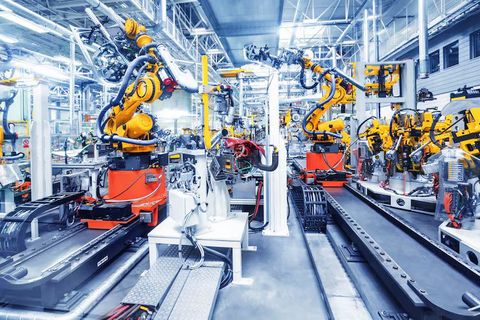
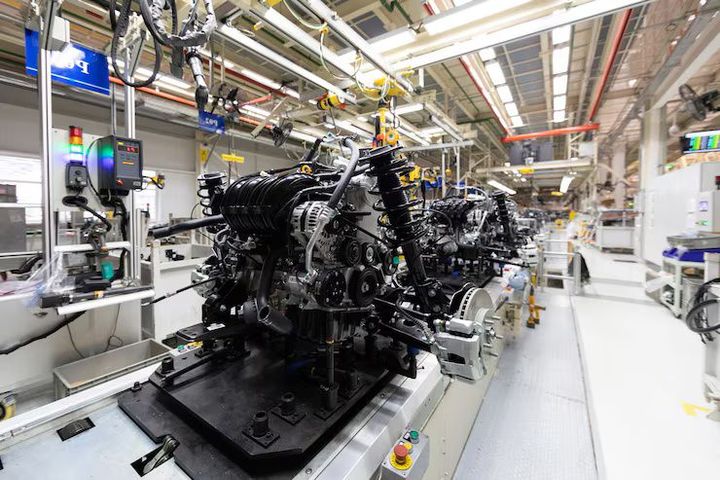
Engine assembly machines are specialized industrial systems designed to construct internal combustion engines, electric power units, or hybrid propulsion systems through automated processes. These machines perform tasks such as component alignment, fastening, torque application, lubrication, testing, and quality verification. Many modern assembly lines incorporate robotics, computer-controlled operations, and precision measurement systems.
Engine assembly machines are designed to ensure precise and consistent assembly of engine components. Manual assembly can introduce variability, while automated systems provide controlled accuracy and repeatability.
Modern systems combine robotics, mechanical engineering, and data analytics to manage complex assembly processes efficiently.
Why Engine Assembly Machines Matter Today
These machines are essential in industries such as automotive, aerospace, and industrial manufacturing. They support high production demands while maintaining quality standards.
Who It Affects
- Engineers and production specialists
- Automotive and machinery manufacturers
- Quality control inspectors
- Robotics and automation professionals
- Students in engineering fields
Key Benefits
- High precision and consistent assembly
- Faster production and scalability
- Reduced human error and fatigue
- Improved safety in handling heavy components
- Better compliance with engineering standards
Problems It Helps Solve
- Misalignment of engine components
- Incorrect torque application
- Production inefficiencies
- Limited inspection capabilities
- Worker fatigue and ergonomic risks
Manual vs Automated Assembly
| Manual Assembly | Automated Assembly Machines |
|---|---|
| Inconsistent results | High precision and repeatability |
| Time-consuming | Faster production |
| Skill-dependent | Program-controlled |
| Limited inspection | Real-time monitoring |
| Higher physical strain | Mechanized handling |
Recent Developments and Trends (2024–2025)
Engine assembly technology continues to evolve with advanced automation and digital tools.
Key Trends
- AI-based monitoring for error detection and optimization
- Growth in electric powertrain assembly systems
- Integration of collaborative robots (cobots)
- Use of digital twin simulations for workflow planning
- Real-time sensor tracking for quality control
- Focus on energy-efficient and sustainable manufacturing
These trends improve efficiency, flexibility, and production accuracy.
Laws, Standards, and Policy Considerations
Engine assembly systems must comply with safety, quality, and environmental regulations.
Key Policy Areas
- Machinery safety and worker protection standards
- Industrial automation and robotics guidelines
- Environmental and energy efficiency regulations
- Quality assurance and testing requirements
- Electrical and mechanical certification standards
These frameworks ensure safe and reliable manufacturing operations.
Tools and Resources for Engine Assembly
Various tools support the design, operation, and monitoring of engine assembly systems.
Production and Engineering Tools
- Automated torque-control systems
- Robotic programming interfaces
- Precision alignment and measurement tools
- CAD and simulation software
Monitoring and Quality Tools
- Leak-testing systems
- Vibration and torque sensors
- Lubrication monitoring systems
- Real-time tracking dashboards
FAQs About Engine Assembly Machines
What are engine assembly machines?
They are automated systems used to assemble engine components with high precision.
Why is automation important?
It improves accuracy, reduces errors, and supports large-scale production.
Do they support electric engines?
Yes. Modern systems handle electric powertrain components such as rotors and stators.
Which parts require high precision?
Components like crankshafts, pistons, and fasteners require precise alignment and torque.
What skills are needed?
Knowledge of mechanical engineering, robotics, and quality control is useful.
Conclusion
Engine assembly machines are critical for producing reliable and high-performance engines. They enhance precision, efficiency, and safety in manufacturing processes.
Recent advancements highlight AI integration, electric powertrain support, and digital simulation tools. Regulations and engineering standards ensure responsible and consistent operation.
Understanding these systems provides insight into modern manufacturing and the role of automation in industrial production.