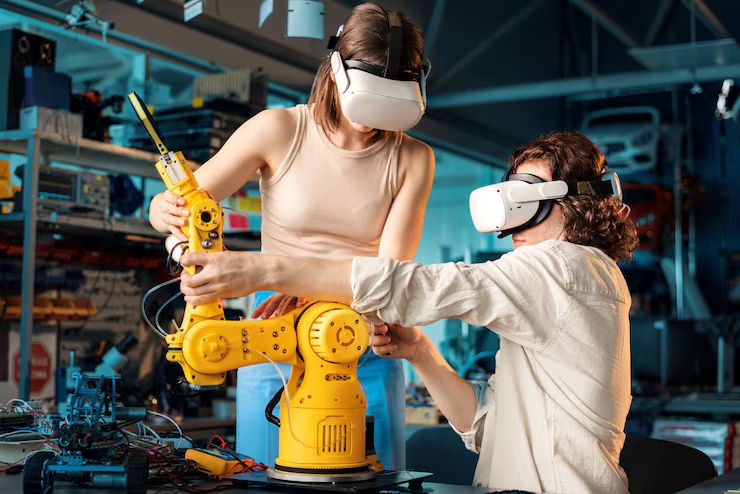
Ethical considerations in robotics refer to the moral questions and responsibilities linked to the design, development, and use of robots and automated systems. Robotics has evolved from simple machines used in factories to advanced systems capable of interacting with humans, making decisions, and performing complex tasks. These systems now appear in areas such as healthcare, transportation, education, and domestic environments.
The growth of robotics is closely connected to advancements in artificial intelligence, sensors, and data processing. As robots become more capable, they are no longer limited to repetitive physical tasks. Instead, they can analyze information, adapt to situations, and sometimes act without direct human control. This shift has raised important questions about how these systems should behave and how humans should guide their development.
Ethical considerations exist to ensure that robotics benefits society while minimizing harm. These considerations focus on issues such as safety, privacy, fairness, accountability, and the impact of automation on human life. Without clear ethical frameworks, the rapid expansion of robotics could lead to unintended consequences that affect individuals and communities.
Importance
Ethical considerations in robotics matter because robots increasingly influence everyday life. From automated customer support systems to self-driving vehicles, these technologies affect how people work, communicate, and make decisions.
One major concern is safety. Robots operating in public or private spaces must function reliably to prevent accidents. For example, autonomous vehicles must interpret their surroundings accurately to avoid collisions. If a system fails, it can lead to serious consequences.
Another important issue is privacy. Many robots collect and process personal data, especially those used in homes or healthcare. This raises questions about how data is stored, who can access it, and how it is used. Protecting personal information is essential to maintain trust.
Ethical considerations also address fairness and bias. Robots powered by algorithms may reflect biases present in their training data. This can lead to unequal treatment in areas such as hiring systems or law enforcement tools. Ensuring fairness requires careful design and continuous monitoring.
The impact on employment is another factor. Automation can change the nature of work by replacing certain tasks while creating new roles. Ethical discussions focus on how to manage this transition in a way that supports workers and communities.
Finally, accountability is a key concern. When a robot makes a mistake, it may be unclear who is responsible—the developer, the operator, or the system itself. Clear guidelines are needed to define responsibility and ensure that issues are addressed properly.
Recent Updates
Recent developments from 2024 to 2026 show that ethical considerations in robotics are becoming more prominent in both research and public discussion. Governments, academic institutions, and technology companies are increasingly focusing on responsible innovation.
One notable trend is the integration of ethical guidelines into the design process. Developers are adopting “ethics by design” approaches, which involve considering ethical impacts at every stage of development rather than addressing them later.
Another development is the increased use of collaborative robots, or cobots, in workplaces. These robots work alongside humans, which requires careful attention to safety and communication. Standards for human-robot interaction have been updated to reduce risks and improve cooperation.
Artificial intelligence regulations are also influencing robotics. As robots rely more on AI, new rules around transparency, explainability, and data usage are shaping how systems are built. For example, there is growing emphasis on making algorithmic decisions understandable to users.
Public awareness has also increased. Discussions about robotic decision-making, especially in areas like healthcare and transportation, are more common. This has encouraged organizations to publish ethical guidelines and conduct impact assessments.
In addition, robotics in healthcare has expanded, including robotic surgery and patient care systems. These applications highlight the need for clear ethical boundaries, particularly regarding patient safety and informed consent.
Laws or Policies
Ethical considerations in robotics are influenced by laws and policies that aim to regulate technology use and protect individuals. Different countries have developed frameworks to address these issues, often focusing on safety, data protection, and accountability.
In many regions, data protection laws play a central role. These laws regulate how personal information collected by robots can be used and stored. For example, regulations often require organizations to obtain consent before collecting data and to ensure that it is kept secure.
Safety standards are another important area. Governments and international organizations have established guidelines for the design and operation of robots, especially those used in public spaces or industrial settings. These standards aim to reduce risks and ensure consistent performance.
Some regions have introduced AI-related policies that indirectly affect robotics. These policies may require systems to be transparent, meaning that users should understand how decisions are made. They may also address issues such as bias and discrimination.
The following table provides a simplified overview of common policy areas related to ethical considerations in robotics:
| Policy Area | Purpose | Example Focus |
|---|---|---|
| Data Protection | Safeguard personal information | User consent, data storage |
| Safety Regulations | Prevent harm during robot operation | Collision avoidance, testing |
| Accountability Rules | Define responsibility for actions | Liability in accidents |
| AI Governance | Ensure fair and transparent decision-making | Bias reduction, explainability |
International cooperation is also increasing. Organizations are working to create shared principles that can guide robotics development across borders. While laws may vary by country, many share similar goals of protecting users and promoting responsible innovation.
Tools and Resources
Several tools and resources help individuals and organizations understand and apply ethical considerations in robotics. These resources are designed to support responsible development and informed decision-making.
Guidelines and frameworks are widely available. For example, documents published by international organizations outline principles such as transparency, fairness, and accountability. These frameworks provide a foundation for evaluating robotic systems.
Educational platforms play an important role. Online courses and learning materials explain the basics of robotics ethics, making the topic accessible to a broader audience. These resources often include case studies that illustrate real-world challenges.
Simulation tools are also useful. These tools allow developers to test robotic systems in virtual environments before deploying them in real settings. This helps identify potential risks and improve safety.
Common types of resources include:
- Ethical assessment checklists, which help evaluate the impact of a robotic system on users and society
- Data management tools, which support secure handling of information collected by robots
- Testing platforms, which simulate different scenarios to identify potential issues
- Policy databases, which provide information on relevant laws and regulations
Open research publications are another valuable resource. Academic studies often explore ethical challenges and propose solutions, contributing to ongoing discussions in the field.
FAQs
What are ethical considerations in robotics?
Ethical considerations in robotics involve the moral principles that guide how robots are designed, used, and managed. These include concerns about safety, privacy, fairness, and accountability.
Why are ethical considerations in robotics important?
They are important because robots can affect people’s lives in significant ways. Ensuring ethical use helps prevent harm, protects personal data, and promotes fairness in automated decisions.
How do ethical considerations in robotics relate to artificial intelligence?
Many robots use artificial intelligence to make decisions. Ethical considerations address how these decisions are made, ensuring they are transparent, unbiased, and aligned with human values.
What are some common challenges in robotics ethics?
Common challenges include managing data privacy, avoiding algorithmic bias, ensuring safety in human-robot interactions, and determining responsibility when issues occur.
Are there laws governing ethical considerations in robotics?
Yes, many countries have laws related to data protection, safety, and AI governance. These laws help regulate how robots are developed and used, although regulations may vary by region.
Conclusion
Ethical considerations in robotics play a central role in shaping how technology interacts with society. As robots become more advanced, questions about safety, privacy, fairness, and accountability continue to grow in importance. Ongoing developments in policy, research, and public awareness reflect a broader effort to guide robotics in a responsible direction. Understanding these considerations helps individuals and organizations navigate the challenges associated with emerging technologies.