Biometric System Insights: Explanation of Security Features
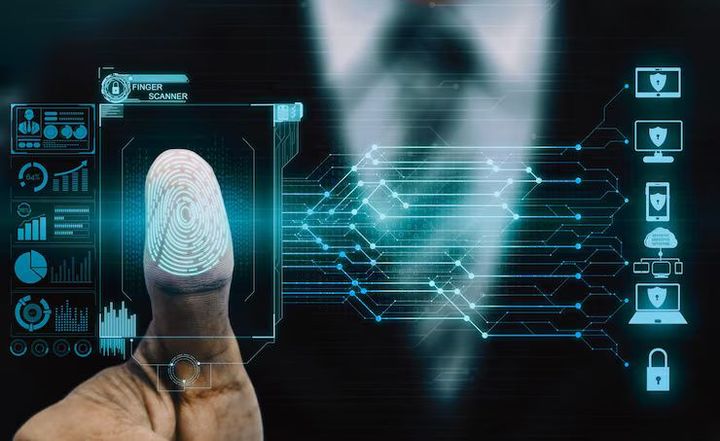
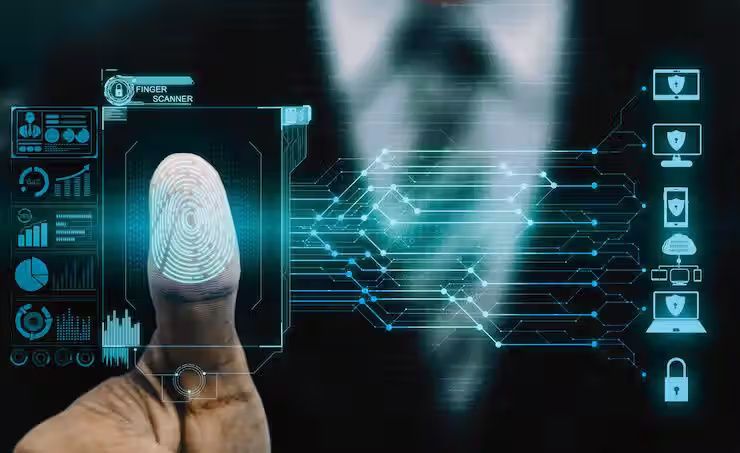
A biometric system is a security technology that identifies or verifies individuals based on unique biological or behavioral characteristics. These characteristics may include fingerprints, facial patterns, iris scans, voice recognition, or even typing behavior.
Biometric identification has existed for over a century, with fingerprint recognition first used in criminal identification in the late 19th century. Today, advancements in digital sensors and artificial intelligence have made biometric authentication common in smartphones, banking, and security systems.
Modern biometric systems typically operate through three key steps:
- Enrollment: Capturing biometric data
- Storage: Converting data into encrypted templates
- Verification/Identification: Matching live input with stored data
These systems reduce reliance on passwords and physical identification methods.
Importance of Biometric Systems
Biometric technology plays a vital role in cybersecurity, financial systems, and identity management.
Enhanced Security
Biometric authentication relies on unique biological traits, making it harder to replicate than traditional passwords. This improves:
- Data protection
- Secure login systems
- Access control security
- Fraud prevention
Convenience
Users can access devices and services quickly without remembering complex passwords. Features like fingerprint and facial recognition simplify authentication processes.
Financial and Government Applications
Banks use biometric systems to secure transactions, while governments use them for identity verification programs. In India, systems like Aadhaar support large-scale identity management.
Enterprise Access Control
Organizations use biometric systems to manage:
- Office entry permissions
- Employee attendance
- Data center security
Types of Biometric Systems
Fingerprint Recognition
Widely used in smartphones and office access systems due to reliability and convenience.
Facial Recognition Security
Uses AI algorithms to analyze facial features. Common in airports and surveillance systems.
Iris Scanner Technology
Examines patterns in the eye, offering high accuracy and security levels.
Voice Recognition
Identifies individuals based on vocal characteristics, often used in call centers.
Behavioral Biometrics
Tracks user behavior such as typing patterns or mouse movements for anomaly detection.
Comparison of Biometric Methods
| Biometric Type | Accuracy Level | Common Application | Contact Required |
|---|---|---|---|
| Fingerprint Recognition | High | Smartphones, offices | Yes |
| Facial Recognition | High | Airports, mobile devices | No |
| Iris Scan | Very High | Border control | No |
| Voice Recognition | Moderate | Banking systems | No |
| Behavioral Biometrics | Variable | Online security | No |
This comparison highlights differences in accuracy and usage across biometric methods.
Recent Updates and Trends (2025–2026)
Biometric systems have evolved significantly in recent years.
Key Developments
- AI-powered recognition: Improved performance in low-light and masked conditions
- Privacy-focused design: Increased on-device processing to reduce cloud risks
- Multi-factor biometrics: Combining multiple biometric methods for stronger security
- Regulatory scrutiny: Increased oversight on ethical use and data protection
These developments reflect growing attention to both performance and privacy.
Laws and Policies
Biometric systems are governed by data protection and cybersecurity regulations.
Regional Frameworks
- India: Aadhaar system regulated under national laws
- European Union: GDPR classifies biometric data as sensitive personal data
- United States: State-level biometric privacy laws
Common Compliance Requirements
- Explicit user consent
- Secure encryption methods
- Data retention limits
- Breach notification procedures
Organizations must ensure compliance with these regulations to protect user data.
Tools and Resources
Security Frameworks
- ISO information security standards
- National cybersecurity guidelines
Testing and Evaluation Tools
- Biometric accuracy benchmarking tools
- False Acceptance Rate (FAR) calculators
- False Rejection Rate (FRR) analysis tools
Encryption Technologies
- End-to-end encryption systems
- Secure hardware modules
Developer Platforms
- Biometric SDKs
- Identity verification APIs
Government Resources
- Aadhaar authentication documentation
- Data protection authority guidelines
These tools support development, evaluation, and compliance in biometric systems.
Accuracy and Error Metrics
| Metric | Meaning |
|---|---|
| False Acceptance Rate (FAR) | Probability of incorrect access approval |
| False Rejection Rate (FRR) | Probability of denying legitimate users |
| Equal Error Rate (EER) | Balance between FAR and FRR |
| Template Encryption | Secures stored biometric data |
Understanding these metrics helps evaluate system performance and reliability.
Frequently Asked Questions
Is biometric authentication more secure than passwords?
Biometric systems are generally harder to replicate than passwords, but they require strong encryption and security measures.
Can biometric data be hacked?
No system is completely immune, but proper security practices reduce risks.
What happens if biometric data is compromised?
Biometric traits cannot be easily changed, making secure storage essential.
Are biometric systems accurate?
Modern systems, especially fingerprint and iris scanners, offer high accuracy, though conditions can affect performance.
Do biometric systems store actual images?
Most systems store encrypted templates rather than raw images.
Conclusion
Biometric systems represent a major advancement in identity verification and access control. From fingerprint recognition to facial recognition, these technologies are widely used across industries.
Recent trends highlight improvements in AI, multi-factor authentication, and privacy-focused design. At the same time, strict regulations ensure responsible use of biometric data.
Understanding biometric processes, security metrics, and compliance requirements helps individuals and organizations make informed decisions about digital security in an evolving technological landscape.