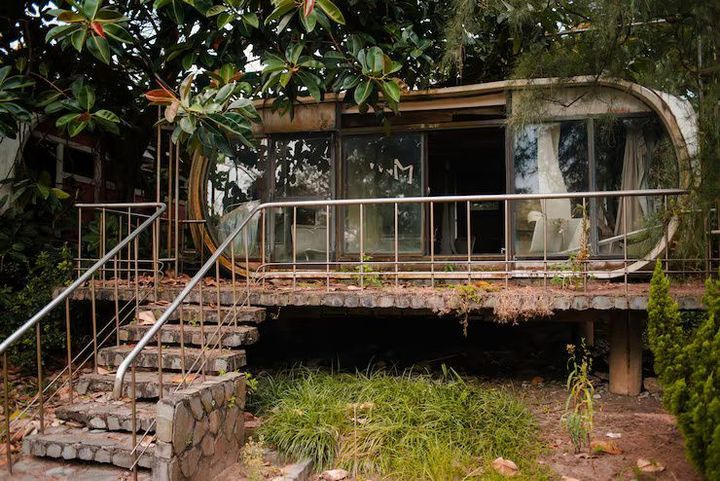
Expert Guide to Tree House Hotels: Deep Dive into Luxury, Safety, and Sustainability
Tree house hotels are accommodation structures built among trees or elevated above the ground while integrating with the surrounding natural environment. Originally inspired by traditional tree dwellings and childhood tree houses, these accommodations have evolved into unique hospitality spaces that combine comfort with nature-based experiences.
Today, tree house hotels can be found in forests, wildlife reserves, mountain regions, and eco-tourism destinations around the world. Some focus on simple and nature-oriented stays, while others provide more sophisticated facilities. Luxury tree house hotels often incorporate modern architecture, sustainable materials, and elevated views while maintaining a connection to the surrounding landscape.
The popularity of tree house stays has grown alongside increasing interest in experiential travel. Many travelers seek accommodations that provide a different perspective from conventional hotels. As a result, tree house hotel design has become an important area within hospitality architecture and sustainable tourism development.
The concept exists to help visitors experience natural settings while minimizing disruption to the environment. Many properties aim to blend architecture with forests and wildlife habitats rather than replacing them.
Common Types of Tree House Hotels
Different styles of tree house accommodations serve different traveler preferences.
| Type | Characteristics | Typical Location |
|---|---|---|
| Traditional Tree House | Simple elevated structure | Forest areas |
| Eco Tree House | Sustainability-focused design | Nature reserves |
| Family Tree House | Larger spaces for groups | Recreational destinations |
| Luxury Tree House | Premium amenities and architecture | Resort regions |
| Wildlife Tree House | Nature observation opportunities | Protected landscapes |
The diversity of these accommodations demonstrates how tree house hotels have developed from basic structures into a recognized segment of the tourism industry.
Importance
Tree house hotels are important because they support nature-based tourism and encourage travelers to engage more closely with outdoor environments. They also contribute to the growing interest in sustainable travel experiences.
Many people spend much of their daily lives in urban environments. Tree house stays can provide opportunities to experience forests, wildlife, and natural landscapes in a more immersive way. This connection with nature is one reason such accommodations continue to attract attention.
Supporting Sustainable Tourism
Eco tree house hotels often emphasize environmental awareness. Their designs may include renewable materials, energy-efficient systems, and construction methods intended to reduce environmental impact.
Some common sustainability features include:
- Rainwater collection systems
- Energy-efficient lighting
- Natural ventilation
- Environmentally conscious construction materials
- Waste reduction initiatives
These practices help demonstrate how tourism facilities can operate within natural settings while considering environmental preservation.
Creating Unique Travel Experiences
A tree house hotel experience differs from conventional accommodation because guests are often surrounded by trees, elevated walkways, and natural sounds. The design itself becomes part of the travel experience.
Travelers may value features such as:
- Elevated forest views
- Wildlife observation opportunities
- Quiet natural surroundings
- Distinctive architectural design
- Outdoor recreation access
Benefits for Local Communities
Tree house hotels can contribute to local tourism economies by attracting visitors interested in nature-based travel. They may also encourage conservation efforts by increasing awareness of forest ecosystems and biodiversity.
Recent Updates
Recent developments in tree house hotels reflect broader trends in sustainability, architecture, and experiential tourism. Between 2024 and 2026, many projects have focused on balancing comfort with environmental responsibility.
Growth of Sustainable Construction
Architects increasingly incorporate environmentally conscious materials and construction techniques into tree house hotel design. Elevated foundations, modular components, and reduced-impact building methods are becoming more common.
Many projects now prioritize:
- Forest preservation
- Renewable construction materials
- Energy-efficient systems
- Reduced land disturbance
- Water conservation measures
Smart Technology Integration
Modern tree house accommodations increasingly include digital features that enhance guest convenience while maintaining a connection to nature.
Examples include:
- Smart climate controls
- Digital check-in systems
- Energy monitoring technology
- Mobile property information platforms
Expanding Architectural Creativity
Contemporary tree house hotel design often combines architecture, engineering, and environmental planning. New projects include geometric structures, panoramic windows, suspended walkways, and elevated observation decks.
The following table highlights current trends.
| Trend | Description | Purpose |
|---|---|---|
| Sustainable Design | Reduced environmental impact | Conservation |
| Smart Technology | Digital management systems | Convenience |
| Modular Construction | Prefabricated components | Efficient building |
| Wellness Focus | Nature-centered relaxation spaces | Guest wellbeing |
| Wildlife Integration | Habitat-conscious planning | Environmental protection |
Luxury tree house hotels increasingly combine these trends to create accommodations that balance comfort and environmental considerations.
Laws or Policies
Tree house hotels are influenced by building regulations, environmental laws, tourism policies, and land-use requirements. The exact rules vary by country, region, and local authority.
Building and Safety Regulations
Authorities often require compliance with construction standards designed to protect occupants and surrounding ecosystems.
Common requirements include:
- Structural safety standards
- Fire protection measures
- Emergency access routes
- Occupancy regulations
- Accessibility considerations
Environmental Protection Rules
Many tree house developments are located in environmentally sensitive areas. Environmental assessments may be required before construction begins.
These assessments can examine:
- Tree health and preservation
- Wildlife habitat protection
- Water management
- Soil conservation
- Forest ecosystem impact
Tourism and Hospitality Requirements
Tree house hotels generally operate under the same tourism regulations that apply to other accommodation facilities. These may include licensing, health standards, and guest registration procedures.
| Policy Area | Purpose |
|---|---|
| Building Codes | Structural safety |
| Environmental Rules | Habitat protection |
| Tourism Licensing | Regulatory compliance |
| Health Standards | Guest wellbeing |
| Fire Safety Regulations | Emergency preparedness |
Travelers should recognize that regulations vary across destinations and may change over time.
Tools and Resources
Several resources help travelers, architects, and tourism planners understand tree house hotels and related topics.
Travel Planning Resources
Travelers researching tree house stays often use:
- Accommodation comparison platforms
- Destination tourism websites
- Travel guide applications
- Mapping tools
- Nature tourism directories
These resources help users compare locations, amenities, and environmental features.
Design and Architecture Resources
Professionals involved in tree house hotel design frequently use:
- Computer-aided design software
- Structural engineering tools
- Environmental assessment platforms
- Sustainable building certification guidelines
- Forest management resources
Environmental Planning Resources
Organizations involved in eco-tourism development may consult:
- Biodiversity databases
- Land-use planning resources
- Environmental impact frameworks
- Conservation management guidelines
The combination of these resources supports responsible planning and informed travel decisions.
FAQs
What are tree house hotels?
Tree house hotels are accommodations built among or around trees, typically elevated above ground level and designed to integrate with natural surroundings.
What makes a tree house hotel experience different from a traditional hotel?
A tree house hotel experience often emphasizes nature, forest views, outdoor surroundings, and unique architecture that differs from conventional lodging.
Are eco tree house hotels environmentally friendly?
Eco tree house hotels generally incorporate sustainability measures such as energy efficiency, responsible construction practices, and environmental conservation initiatives, although specific approaches vary by property.
What features are commonly found in luxury tree house hotels?
Luxury tree house hotels may include private decks, panoramic views, spacious interiors, modern furnishings, and architectural elements designed to blend with natural settings.
Why is tree house hotel design important?
Tree house hotel design helps ensure structural safety, guest comfort, environmental compatibility, and preservation of surrounding ecosystems.
Conclusion
Tree house hotels represent a distinctive form of accommodation that combines hospitality with natural environments. Their development reflects growing interest in sustainable tourism, architectural innovation, and immersive travel experiences. Modern tree house stays range from simple forest retreats to sophisticated elevated accommodations designed with environmental considerations in mind. As tourism continues to evolve, tree house hotels remain an important example of how lodging can coexist with nature.