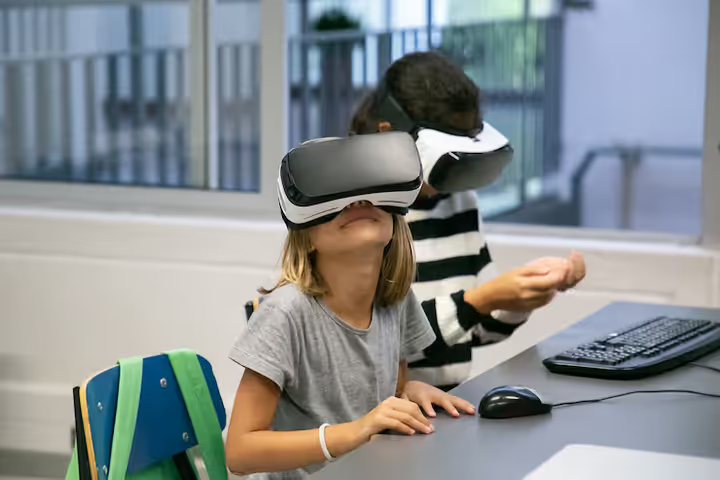
Explore AI in the Classroom: A Beginner’s Guide to Modern Learning Technologies
AI in education refers to digital systems that use machine learning, pattern recognition, language processing, or data analysis to support teaching and learning. In the classroom, these tools may help organize lessons, provide practice exercises, track progress, or analyze student performance.
Many schools, colleges, and training programs are now exploring AI classroom tools as part of their teaching methods.
The use of AI in the classroom developed from earlier educational software and learning management platforms. As computing power improved, software became more able to adapt to individual learners, identify patterns in student work, and assist teachers with administrative tasks. Today, AI learning platforms are used in a wide range of educational settings, from primary schools to universities and professional training programs.
AI does not have a single fixed role in education. In some cases, it acts as a helper for teachers. In others, it functions as a support system for student practice, content organization, or assessment review. The way it is used depends on the age group, the subject, and the goals of the institution.
How AI Developed in Education
Educational technology began with basic computer-assisted learning programs. Over time, digital textbooks, online quizzes, and virtual classrooms became more common. AI entered this environment by adding data analysis, automated feedback, and adaptive learning functions.
The development of educational AI solutions has been shaped by improvements in natural language processing, cloud computing, and data storage. These advances made it possible for digital systems to handle more complex tasks in real time.
Main Types of AI Tools in Education
AI in education can appear in several forms:
- AI classroom tools for lesson support
- AI for teachers that helps with planning or feedback
- AI learning platforms for student practice
- AI student assessment tools for grading assistance or review
- AI education analytics for progress tracking
- AI powered learning management system features that organize class content
- advanced AI education technologies used in research and institutional planning
Each type supports a different part of the learning process.
Importance
Why AI in the Classroom Matters
Classrooms often include students with different learning speeds, subject strengths, and support needs. AI can help teachers identify patterns in class performance and organize resources more efficiently. This is one reason many schools and training centers are paying attention to AI in education.
The topic matters not only for schools but also for families, policy makers, and technology teams. It affects how lessons are prepared, how assignments are reviewed, and how students interact with learning materials.
Support for Teachers
AI for teachers can reduce some repetitive work. It may help organize lesson materials, summarize student progress, or create basic practice exercises. This does not replace teaching judgment, but it can support classroom planning and administration.
Teachers still make the important decisions about lesson goals, classroom behavior, and student support. AI can assist, but it cannot understand every classroom situation in the same way a teacher can.
Support for Students
Students may use AI learning platforms to practice math, reading, languages, or other subjects at their own pace. Some systems adjust questions based on performance, which can help learners spend more time on areas where they need practice.
AI student assessment tools may provide quick feedback on selected assignments or quizzes. This can help students understand what they know and where they need more study.
School Management and Data
AI education analytics can help schools review attendance patterns, assignment completion, and overall learning progress. This kind of analysis may support planning and early intervention where needed.
An AI powered learning management system can organize class materials, deadlines, announcements, and assessments in one place. That can simplify communication between teachers and students.
Broader Educational Uses
AI in education is now used in:
- Classroom instruction
- Homework support
- Language learning
- Exam preparation
- Curriculum planning
- Student progress tracking
- Administrative organization
- Remote and hybrid learning
These uses show that AI is not limited to one grade level or one subject.
Common AI Applications in the Classroom
| AI Application | Main Function | Typical Use |
|---|---|---|
| AI classroom tools | Support learning activities | Lesson support and practice |
| AI for teachers | Assist with planning | Content preparation and review |
| AI learning platforms | Adapt student practice | Personalized exercises |
| AI student assessment tools | Analyze learning results | Quiz and assignment review |
| AI education analytics | Track progress trends | Reporting and planning |
| AI powered learning management system | Organize digital learning | Course administration |
Recent Updates
Greater Use of Generative AI
Recent years have seen increased attention to generative AI tools that can produce text, images, summaries, and practice questions. In education, these tools are used in careful ways for drafting, explanation, and idea generation.
Schools and colleges continue discussing how to use these tools responsibly while maintaining academic integrity.
More Personalized Learning
Many educational platforms now use data from student activity to adjust content level or pace. This supports personalized learning, where different students may follow different practice paths.
Advanced AI education technologies increasingly focus on identifying where learners need extra help.
Stronger Focus on Policy and Guidance
Educational institutions are publishing more guidance about acceptable AI use. These policies often explain when AI can be used for study support, when it should not be used, and how work should be credited.
This reflects wider attention to trust, accuracy, and fairness.
Improved Teacher Tools
AI classroom tools are becoming more useful for organization, planning, and summary generation. Some tools can help teachers prepare outlines, group students by progress level, or review recurring errors.
These features are generally designed to save time on routine tasks rather than replace teacher decisions.
Data and Privacy Attention
As AI systems collect more information about student activity, schools are paying greater attention to privacy and data handling. This includes how data is stored, who can access it, and how long it is kept.
Laws or Policies
Privacy and Data Protection
Many countries have privacy laws that apply to student data. These laws may affect how AI learning platforms collect, store, analyze, and share information.
Schools and technology providers often need to follow rules about consent, retention, and access control.
Child Safety and Digital Use
When children use digital learning tools, schools usually need to consider age-appropriate use, safe content settings, and supervision. Some regions also have rules about online data collection from minors.
Academic Integrity
Educational institutions often create policies about acceptable AI use for assignments, exams, and classroom work. These policies help define where AI assistance is allowed and where independent work is required.
Accessibility Expectations
Schools may also follow accessibility requirements so that digital tools can be used by students with different needs. This can include readable interfaces, screen-reader support, and flexible formats.
Tools and Resources
Learning Management Systems
A learning management system is often used to organize lessons, assignments, announcements, and class communication. Some systems now include AI powered learning management system features that support tracking and organization.
Teacher Planning Platforms
Teachers may use digital planning tools to organize lesson materials, classroom schedules, and feedback notes. AI for teachers is sometimes built into these systems to help with summarizing or drafting.
Assessment and Quiz Tools
AI student assessment tools may assist with scoring, question generation, or performance review for selected activities. These tools can support evaluation but still require human oversight.
Analytics Platforms
AI education analytics tools help institutions review trends in attendance, performance, and engagement. This can be useful for identifying areas that may need more attention.
Professional Guidelines and Research
Educational organizations, universities, and policy groups publish research on AI in education. These publications can help teachers and administrators understand changing practices and limitations.
FAQs
What is AI in education?
AI in education refers to digital tools that use machine learning, language processing, or data analysis to support teaching, learning, assessment, and classroom organization.
How are AI classroom tools used?
AI classroom tools may help organize lessons, create practice activities, summarize student work, or support classroom planning.
What is an AI powered learning management system?
An AI powered learning management system is a digital platform that uses artificial intelligence to organize content, track progress, and support class administration.
How do AI student assessment tools work?
AI student assessment tools analyze selected assignments, quizzes, or class activity data to help review learning progress and identify patterns.
What are AI learning platforms?
AI learning platforms are digital learning systems that can adapt practice content, provide feedback, and support different learning speeds or subject needs.
Conclusion
AI in the classroom is changing how teachers prepare lessons, how students practice, and how schools manage learning information. Tools such as AI classroom tools, AI learning platforms, and AI education analytics are becoming more common in many educational settings. These systems can support teaching and student progress, but they also require careful use, privacy awareness, and clear academic rules. As educational AI solutions continue to evolve, schools are paying closer attention to both the benefits and the limits of these technologies.