Explore ERP Software for Smart Business Operations
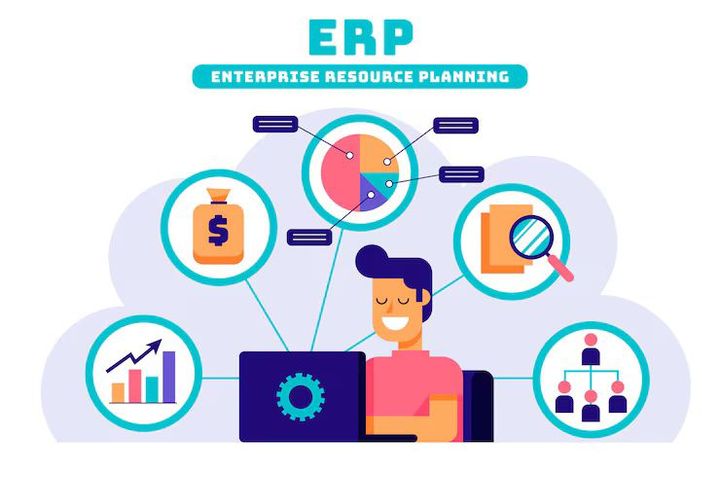
Enterprise Resource Planning, commonly called ERP software, is a digital system designed to connect and organize different business activities in one platform. It combines functions such as accounting, inventory tracking, production planning, customer management, reporting, and human resource management into a centralized structure.
ERP systems were developed to solve the growing challenge of disconnected business operations. In the past, organizations often used separate tools for finance, inventory, employee records, and communication. This created duplication, delays, and reporting errors. ERP software was introduced to improve coordination between departments and create a more unified workflow.
Today, ERP platforms are used by manufacturing firms, healthcare providers, educational institutions, logistics companies, retail businesses, and service-based organizations. The software helps teams share information in real time, reducing manual work and improving visibility across operations.
The rise of digital transformation has increased interest in ERP technology worldwide. Businesses are now focused on automation, data accuracy, cloud infrastructure, and cybersecurity management. ERP systems support these goals by bringing business processes into one organized environment.
Why ERP Software Matters in Modern Business
ERP software plays an important role in modern business management because organizations now handle larger volumes of data, remote operations, and digital communication. Managing operations through disconnected spreadsheets or outdated systems can create operational inefficiencies.
The importance of ERP software can be understood through several key business functions:
| Business Area | ERP Contribution |
|---|---|
| Finance | Improves reporting accuracy and budget tracking |
| Inventory | Helps monitor stock movement and warehouse activity |
| Human Resources | Organizes employee records and attendance |
| Supply Chain | Supports logistics coordination and procurement |
| Customer Management | Tracks communication and service workflows |
| Reporting | Provides centralized dashboards and analytics |
Organizations use ERP systems to improve operational transparency and reduce repetitive administrative work. Automated workflows also help reduce human error in tasks such as invoice processing, payroll management, and inventory updates.
ERP software is especially valuable for growing companies because scaling operations often creates communication challenges between departments. A centralized system allows managers to monitor operations more effectively and make informed decisions using real-time data.
Another major advantage is data consistency. When all departments work within the same system, reporting becomes more accurate. This improves forecasting, budgeting, compliance tracking, and long-term planning.
ERP Software Trends and Recent Updates
ERP technology has changed significantly over the last year due to advancements in artificial intelligence, cloud computing, and cybersecurity frameworks. Several important developments have influenced how organizations use ERP systems in 2025 and 2026.
Cloud-Based ERP Expansion
Cloud ERP adoption continued growing throughout 2025 because organizations increasingly preferred remote accessibility and scalable infrastructure. Businesses with hybrid work environments relied on cloud platforms to maintain operational continuity across locations.
Cloud ERP systems also improved software update management and disaster recovery capabilities. This trend became especially important for businesses operating across multiple regions.
Artificial Intelligence Integration
AI-powered automation became one of the biggest ERP trends during 2025. ERP platforms now include features such as:
- Predictive inventory forecasting
- Automated reporting summaries
- Intelligent financial analysis
- Workflow recommendations
- Smart document processing
AI integration helps reduce manual administrative tasks and supports faster business decision-making.
ERP Adoption Trends by Business Size
| Business Type | Common ERP Focus |
| Small Businesses | Inventory and finance tracking |
| Medium Enterprises | Workflow automation and analytics |
| Large Enterprises | Multi-location operations and compliance |
Cybersecurity Enhancements
Cybersecurity became a major focus area for ERP providers during 2025 due to increasing ransomware threats and data privacy concerns. Businesses handling customer data, financial records, and employee information started prioritizing secure ERP environments.
Common security updates included:
- Multi-factor authentication
- Data encryption
- Access control systems
- Threat monitoring dashboards
- Backup recovery automation
Mobile ERP Accessibility
Mobile ERP applications became more advanced over the past year. Employees can now access dashboards, approve workflows, track operations, and review reports through smartphones and tablets.
This trend supports field operations, logistics management, and remote workforce coordination.
Government Rules and ERP Compliance Frameworks
ERP software is closely connected to legal and regulatory compliance because organizations must maintain accurate records, financial transparency, and data protection standards.
Different countries have their own regulations affecting ERP usage. These laws generally focus on financial reporting, taxation, cybersecurity, and personal data management.
Data Protection Regulations
Many countries introduced stricter digital privacy rules between 2024 and 2026. Businesses using ERP systems must ensure that customer and employee data is securely stored and processed.
Common compliance requirements include:
- Controlled data access
- User authentication protocols
- Secure backup procedures
- Audit tracking
- Data retention management
Tax and Financial Reporting Compliance
ERP software is often used to maintain accurate accounting and taxation records. Governments increasingly require digital reporting standards for tax filings and business audits.
ERP systems help organizations:
- Track invoices
- Generate financial statements
- Maintain audit trails
- Organize payroll records
- Support regulatory reporting
Industry-Specific Compliance
Certain industries have stricter compliance requirements than others.
| Industry | Common Compliance Focus |
| Healthcare | Patient data protection |
| Manufacturing | Supply chain documentation |
| Finance | Transaction monitoring |
| Retail | Tax reporting and inventory accuracy |
Digital Transformation Policies
Many governments introduced digital transformation initiatives over the last few years to encourage modernization of business infrastructure. These programs promoted cloud adoption, digital recordkeeping, and cybersecurity awareness.
ERP systems became part of broader digital modernization strategies in sectors such as logistics, healthcare, manufacturing, and education.
Helpful ERP Tools and Business Resources
Organizations often use additional tools and resources alongside ERP systems to improve planning, reporting, and operational management.
Reporting and Dashboard Tools
Analytics dashboards help businesses monitor operational performance in real time. These tools provide visual insights through:
- Charts
- Data summaries
- KPI tracking
- Forecast analysis
- Productivity monitoring
ERP Workflow Overview
| Workflow Stage | Purpose |
| Data Entry | Collect operational information |
| Processing | Organize and validate records |
| Analysis | Generate reports and insights |
| Decision Support | Improve operational planning |
Cloud Storage Platforms
Cloud storage tools help organizations manage backups, file sharing, and digital records securely. These platforms improve accessibility while supporting disaster recovery planning.
Financial Calculators and Budget Templates
Businesses frequently use budgeting templates and financial calculators alongside ERP software to improve forecasting accuracy. These tools support:
- Revenue planning
- Expense tracking
- Inventory valuation
- Operational budgeting
- Profitability analysis
Training and Learning Platforms
ERP implementation often requires employee training. Online learning resources help users understand:
- ERP basics
- Workflow management
- Reporting systems
- Cybersecurity awareness
- Data management practices
Project Management Applications
Project tracking applications are commonly integrated with ERP systems to support operational planning and collaboration. These tools help monitor timelines, approvals, and departmental coordination.
Frequently Asked Questions About ERP Software
What is the main purpose of ERP software?
ERP software helps organizations manage business operations through a centralized system that connects departments such as finance, inventory, human resources, and reporting.
Is ERP software only useful for large enterprises?
No. Small and medium-sized organizations also use ERP systems to improve workflow organization, reporting accuracy, and operational efficiency.
How does ERP improve business reporting?
ERP systems collect information from multiple departments into one platform. This creates more accurate reports and allows managers to access real-time operational data.
What are the biggest ERP trends in 2025?
Major trends include artificial intelligence integration, cloud-based ERP platforms, mobile accessibility, cybersecurity improvements, and automated workflow management.
Why is cybersecurity important in ERP systems?
ERP platforms often store sensitive business information such as financial records, employee data, and customer details. Strong cybersecurity measures help reduce the risk of unauthorized access and data breaches.
Can ERP software support remote work environments?
Yes. Modern ERP systems often include cloud access and mobile compatibility, allowing employees to manage operations remotely while maintaining workflow coordination.
Conclusion
ERP software has become an important part of modern business operations because organizations increasingly depend on digital systems to manage data, workflows, reporting, and communication. By connecting departments through a centralized platform, ERP systems help improve operational visibility, accuracy, and efficiency.
Recent developments in artificial intelligence, cloud infrastructure, mobile accessibility, and cybersecurity have expanded the capabilities of ERP platforms across industries. Businesses are now using ERP systems not only for operational management but also for strategic planning and digital transformation initiatives.