Explore Ferrous Metal Manufacturing Facts and Advanced Production Methods
Ferrous metal manufacturing is the process of producing metals that contain iron as the primary element.
These materials include steel, cast iron, and various industrial alloys used in buildings, transportation systems, machinery, pipelines, and public infrastructure. Ferrous metal manufacturing developed alongside industrial growth because iron-based materials are durable, widely available, and adaptable to many industrial applications.
Today, ferrous metal manufacturers work across many sectors, including construction, automotive production, energy, transportation, and heavy equipment. Iron and steel manufacturing has evolved from traditional blast furnace operations into highly automated systems that use digital monitoring, robotics, and advanced quality testing.
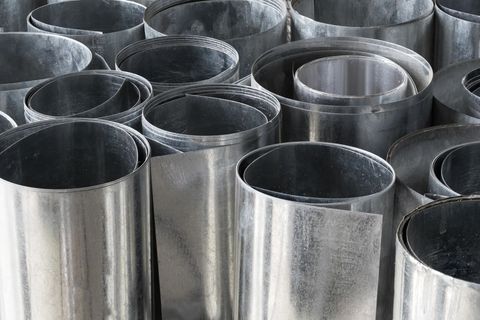
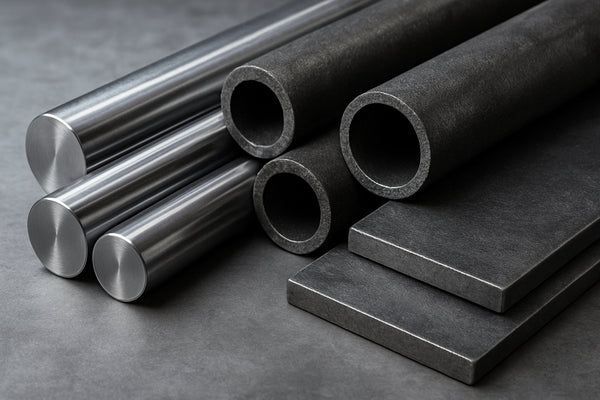
Industrial steel manufacturing usually begins with raw materials such as iron ore, recycled scrap metal, limestone, and coke. These materials are processed at high temperatures to produce molten metal, which is then shaped into sheets, bars, pipes, beams, or specialized industrial components. Many metal manufacturing companies now combine traditional metallurgy with computer-controlled production methods to improve precision and consistency.
Ferrous metal processing also includes finishing operations such as coating, cutting, welding, heat treatment, and surface preparation. These processes help manufacturers prepare industrial steel for construction projects, transportation equipment, and engineering applications.
Importance
Ferrous metals remain essential because modern infrastructure depends heavily on iron and steel materials. Bridges, rail systems, commercial buildings, water systems, factories, and renewable energy installations all rely on industrial steel manufacturing.
Infrastructure and Construction
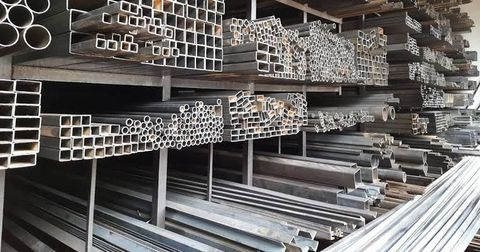
Structural steel manufacturing companies produce beams, columns, plates, and reinforced steel products used in residential and commercial construction. Ferrous metals for infrastructure projects are valued for their strength, load-bearing capacity, and durability under varying environmental conditions.
Industrial steel for construction is commonly used in:
- High-rise buildings
- Transportation hubs
- Industrial warehouses
- Rail networks
- Energy facilities
- Water distribution systems
Many governments continue investing in infrastructure modernization, increasing the importance of steel production companies and industrial metal processing solutions.
Manufacturing and Transportation
Ferrous metal processing also supports manufacturing industries that produce vehicles, agricultural machinery, heavy equipment, and industrial tools. Steel components are widely used because they can withstand pressure, vibration, and repeated mechanical stress.
The transportation sector depends on iron and steel manufacturing for:
| Industry Area | Common Ferrous Metal Use |
|---|---|
| Automotive production | Vehicle frames and engine parts |
| Rail transport | Tracks and rail cars |
| Shipping | Cargo containers and ship structures |
| Aviation support equipment | Ground machinery and tooling |
| Industrial machinery | Gears, shafts, and structural frames |
Recycling and Circular Production
One important feature of ferrous metal manufacturing is recyclability. Steel can often be melted and reused multiple times without major loss of structural properties. Many steel manufacturing companies incorporate recycled scrap metal into production systems to reduce raw material demand and support environmental goals.
Recycling also helps reduce industrial waste and energy consumption compared to extracting entirely new raw materials.
Recent Updates
Recent developments in ferrous metal manufacturing focus on automation, environmental management, and advanced production efficiency. Between 2024 and 2026, many industrial producers expanded the use of digital monitoring systems and lower-emission manufacturing technologies.
Smart Manufacturing Systems
Modern industrial steel manufacturing increasingly uses sensors, artificial intelligence, and machine learning systems to monitor furnace temperatures, material composition, and equipment performance. These tools help reduce production errors and improve consistency.
Steel production companies are also integrating predictive maintenance systems that monitor machinery conditions in real time. This helps reduce equipment downtime and supports smoother production schedules.
Lower-Emission Steel Production
Environmental concerns continue shaping iron and steel manufacturing methods. Some manufacturers are testing hydrogen-assisted steelmaking and electric arc furnace systems that rely more heavily on recycled materials.
Traditional blast furnace production generates significant carbon emissions. In response, industrial metal processing solutions now include:
- Energy-efficient furnaces
- Waste heat recovery systems
- Water recycling equipment
- Carbon capture research
- Increased use of recycled steel scrap
Many countries are encouraging cleaner industrial practices through environmental reporting requirements and emissions reduction programs.
Advanced Material Development
Structural steel manufacturing companies are also developing stronger and lighter steel grades for infrastructure and transportation projects. Advanced high-strength steel is increasingly used in construction and automotive manufacturing because it provides structural support while reducing overall material weight.
Some ferrous metal manufacturers are using digital simulation software to test product performance before physical production begins. This approach can improve material efficiency and reduce manufacturing waste.
Laws or Policies
Ferrous metal manufacturing is heavily regulated because it affects environmental quality, industrial safety, energy consumption, and public infrastructure standards. Regulations vary by country, but many governments apply similar principles related to emissions, worker safety, and product quality.
Environmental Regulations
Iron and steel manufacturing facilities often operate under environmental standards related to:
- Air emissions
- Industrial wastewater
- Energy efficiency
- Waste disposal
- Noise management
Many countries require industrial steel manufacturing plants to track emissions from furnaces and processing equipment. Environmental agencies may also require reporting related to greenhouse gas output and industrial resource usage.
Construction and Material Standards
Industrial steel for construction must comply with engineering and safety standards established by national and international organizations. Structural steel manufacturing companies often follow technical specifications covering:
- Load capacity
- Corrosion resistance
- Welding quality
- Material composition
- Fire resistance
Construction regulators use these standards to ensure that steel materials used in buildings and infrastructure projects meet safety requirements.
Workplace Safety Policies
Ferrous metal processing facilities use heavy machinery, high temperatures, and large-scale industrial equipment. Safety regulations typically require:
- Protective equipment
- Heat protection systems
- Emergency shutdown procedures
- Air quality monitoring
- Worker training programs
Industrial inspections help ensure compliance with workplace safety standards.
Trade and Supply Chain Policies
Steel production companies are also influenced by import rules, tariffs, and raw material supply policies. Governments sometimes adjust trade measures to manage domestic steel markets, infrastructure supply chains, or industrial production capacity.
These policies can affect the availability of iron ore, recycled metal, and industrial manufacturing equipment.
Tools and Resources
Modern ferrous metal manufacturing depends on digital tools and industrial technologies that support planning, testing, and production management.
Production and Design Software
Many metal manufacturing companies use computer-aided design and manufacturing software for product development and engineering analysis. Common platforms include:
- AutoCAD for industrial drafting
- SolidWorks for mechanical design
- ANSYS for material analysis
- SAP for supply chain management
These systems help manufacturers model steel structures, calculate material loads, and manage production planning.
Material Testing Equipment
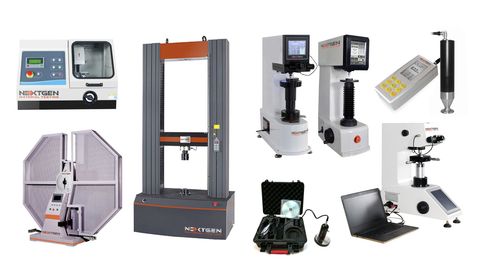
Ferrous metal processing often includes laboratory testing and inspection systems. Manufacturers may use:
- Spectrometers for chemical analysis
- Ultrasonic testing devices
- Hardness testing machines
- Tensile strength measurement equipment
- Thermal imaging systems
Testing helps confirm that industrial steel manufacturing outputs meet engineering specifications.
Industry Organizations and Information Sources
Several organizations publish technical standards and industrial research related to iron and steel manufacturing. Common resources include:
- World Steel Association
- American Iron and Steel Institute
- International Organization for Standardization
- ASTM International
These organizations provide technical documents, manufacturing guidelines, and material standards used by structural steel manufacturing companies worldwide.
FAQs
What is ferrous metal manufacturing?
Ferrous metal manufacturing is the industrial process of producing iron-based metals such as steel and cast iron. It includes melting, refining, shaping, and finishing metals used in construction, transportation, and industrial equipment.
How do ferrous metal manufacturers produce steel?
Ferrous metal manufacturers typically combine iron ore or recycled scrap metal with heat-based refining systems. The molten metal is processed into sheets, beams, pipes, and other industrial forms through rolling, casting, and finishing operations.
Why is industrial steel manufacturing important for infrastructure?
Industrial steel manufacturing supports infrastructure because steel materials are widely used in bridges, buildings, transportation systems, pipelines, and energy facilities. Steel provides structural strength and long-term durability for large engineering projects.
What is the difference between ferrous and non-ferrous metals?
Ferrous metals contain iron, while non-ferrous metals do not. Steel and cast iron are common ferrous materials, whereas aluminum, copper, and zinc are considered non-ferrous metals.
What are industrial metal processing solutions?
Industrial metal processing solutions include manufacturing methods such as cutting, welding, coating, heat treatment, rolling, and machining. These processes help prepare metal products for construction, transportation, and industrial applications.
Conclusion
Ferrous metal manufacturing remains an essential part of industrial development and public infrastructure. Iron and steel manufacturing supports transportation systems, buildings, machinery production, and energy facilities across many regions. Recent advances in automation, recycling, and lower-emission production methods continue shaping the industry’s direction. Industrial steel manufacturing and ferrous metal processing are expected to remain important as infrastructure modernization and material efficiency continue evolving worldwide.