Copper Cable Granulators Guide: Working Principle, Types & Industrial Applications
Copper is one of the world's most valuable industrial metals because of its excellent electrical conductivity, durability, and recyclability. It is widely used in electrical wiring, communication cables, automotive systems, renewable energy equipment, and electronic products. As industries continue replacing old infrastructure and manufacturing new products, large quantities of used cables become available for recycling.
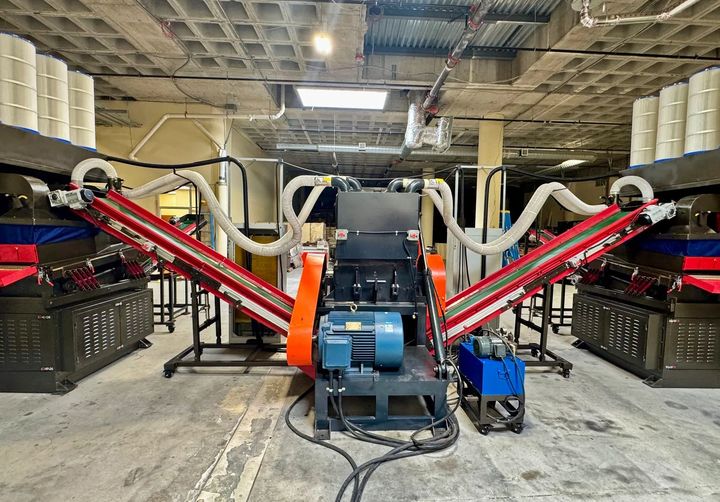
Copper cable granulators were developed to separate copper conductors from plastic insulation without damaging the recovered material. Instead of manually stripping cables, these machines automatically process mixed cables into small pieces before separating metal and plastic through different techniques.
Today, copper cable granulators are used in recycling facilities, manufacturing industries, electronic waste processing centers, automotive recycling plants, and industrial material recovery operations. They help improve resource efficiency while supporting sustainable industrial practices.
Their growing importance is closely linked with circular economy initiatives, increasing electronic waste generation, and greater emphasis on recovering valuable raw materials.
Importance
Copper cable granulators have become increasingly important because industries are focusing on reducing material waste and maximizing resource recovery. Copper remains one of the most recycled industrial metals, making efficient separation technology highly valuable.
These machines benefit many industries, including:
- Electrical manufacturing
- Electronics recycling
- Construction waste processing
- Automotive recycling
- Renewable energy equipment recycling
- Telecommunications infrastructure recovery
Some major advantages include:
- Higher recovery of reusable copper
- Reduced industrial waste
- Better material sorting
- Improved recycling efficiency
- Lower dependence on newly mined copper
- Cleaner separation of metal and insulation materials
The increasing use of electric vehicles, solar energy systems, smart grids, and communication networks has also increased the amount of copper wiring entering recycling channels. Efficient recovery supports long-term material availability while reducing environmental impact.
From an industrial perspective, copper recovery also supports better resource management, improved production efficiency, and sustainable manufacturing practices.
Types of Copper Cable Granulators
Different industries require different cable processing capacities. As a result, manufacturers produce several types of copper cable granulators.
| Type | Suitable Applications | Main Features |
|---|---|---|
| Compact Granulators | Small recycling operations | Space-saving design, moderate capacity |
| Industrial Granulators | Large-scale facilities | Continuous processing, higher throughput |
| Dry-Type Granulators | General cable recycling | Air separation without water usage |
| Multi-Stage Granulators | Mixed cable processing | Improved separation accuracy |
| Heavy-Duty Granulators | Thick industrial cables | Strong cutting system and higher durability |
Each type is selected according to cable size, insulation material, production requirements, and processing volume.
Working Principle
Copper cable granulators operate through several processing stages that separate copper from insulation materials while maintaining material quality.
Cable Feeding
Used electrical cables are placed into the feeding system, where they move toward the cutting chamber.
Primary Crushing
Rotating blades cut the cables into smaller pieces. This improves handling and prepares the material for separation.
Secondary Granulation
The cable pieces are further reduced into uniform granules. Consistent particle size helps improve separation efficiency.
Air Separation
Many machines use airflow to separate lighter plastic particles from heavier copper granules.
Vibration Separation
Vibrating systems help increase sorting accuracy by separating materials based on density.
Dust Collection
Integrated dust collection systems improve workplace cleanliness and help maintain processing efficiency.
Material Collection
Separated copper and plastic are collected independently for further industrial processing or recycling.
This automated process improves consistency while reducing manual handling.
Industrial Applications
Copper cable granulators support numerous industrial sectors where cable recovery and material recycling are essential.
Electrical Industry
Old electrical wiring generated during upgrades and infrastructure replacement can be processed to recover reusable copper.
Electronics Recycling
Electronic equipment contains significant quantities of copper wiring that can be separated from plastic insulation.
Automotive Industry
Modern vehicles contain extensive electrical systems, making cable recycling increasingly important as electric vehicle adoption grows.
Construction Industry
Building renovation and demolition projects generate large quantities of electrical cables suitable for recycling.
Renewable Energy
Solar farms and wind energy installations use extensive copper cabling that eventually enters recycling streams during equipment replacement.
Telecommunications
Communication infrastructure upgrades create recyclable copper cable materials from outdated networks.
Recent Updates
Copper cable granulation technology has continued to improve throughout 2025 and 2026, with manufacturers introducing smarter automation and more efficient processing systems.
Some notable industry trends include:
- Greater use of automated material feeding systems
- Improved sensor-based material separation
- Enhanced energy-efficient motor technologies
- Better dust control and workplace safety systems
- Increased use of digital monitoring for production performance
- Higher recovery accuracy through optimized airflow systems
- Compact machine designs suitable for limited industrial space
Another important development is the growing integration of data monitoring technologies that allow operators to track processing performance, equipment utilization, and maintenance schedules more efficiently.
Industrial recycling facilities are also focusing on reducing energy consumption while maintaining high separation accuracy.
Growing investment in circular economy initiatives across many countries continues encouraging improved recycling infrastructure and advanced material recovery technologies.
Laws or Policies
Copper cable recycling is influenced by environmental regulations, waste management frameworks, and industrial safety standards. Requirements vary by country but generally focus on responsible recycling and pollution control.
Common regulatory areas include:
- Electronic waste management regulations
- Industrial waste handling requirements
- Environmental protection guidelines
- Workplace health and safety standards
- Air pollution and dust control requirements
- Noise management regulations
- Material transportation compliance
Many governments encourage recycling through national waste reduction strategies and circular economy programs that promote resource recovery.
Industries operating copper cable granulators are generally expected to follow environmental management procedures, maintain safe working conditions, and properly handle recovered materials.
Compliance helps improve sustainability while supporting responsible industrial recycling practices.
Tools and Resources
Several tools and resources help industries improve copper cable processing efficiency.
Useful resources include:
- Cable size measurement charts
- Material recovery calculation templates
- Industrial maintenance schedules
- Equipment inspection checklists
- Energy consumption calculators
- Recycling productivity trackers
- Material inventory spreadsheets
- Preventive maintenance templates
- Workplace safety documentation
- Environmental compliance checklists
- Equipment operating manuals
- Industrial training materials
These resources help improve operational planning, maintenance management, and production monitoring.
Frequently Asked Questions
What is a copper cable granulator?
A copper cable granulator is an industrial machine that separates copper conductors from plastic insulation through cutting, granulation, and material separation processes.
Which industries commonly use copper cable granulators?
They are commonly used in electrical recycling, electronics processing, automotive recycling, construction waste management, renewable energy equipment recycling, and industrial material recovery.
What materials can be processed?
Most machines process insulated copper cables from electrical wiring, communication cables, automotive wiring, and various industrial cable assemblies.
Why is copper recovery important?
Copper recovery reduces material waste, supports resource conservation, improves recycling efficiency, and helps industries recover valuable raw materials for future manufacturing.
What factors influence machine selection?
Important considerations include cable size, processing capacity, material type, separation accuracy, available installation space, automation level, maintenance requirements, and energy efficiency.
Conclusion
Copper cable granulators have become an essential part of modern industrial recycling by enabling efficient separation of copper from insulated cables. As industries generate increasing amounts of electrical and electronic waste, reliable material recovery technologies help improve sustainability, resource efficiency, and industrial productivity.