Explore Independence Day Special Celebration Ideas & Traditions in India
Independence Day is observed across India every year on 15 August to commemorate the country’s independence from British rule in 1947. It is one of the most important national occasions in India and brings together people from different regions, languages, cultures, and communities.
The day has a strong historical connection with India’s freedom movement. Generations of Indians participated in political movements, public campaigns, social reform, and other efforts that eventually contributed to independence. Remembering this history helps younger generations understand how modern India developed.
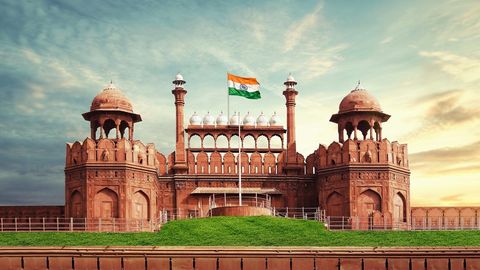
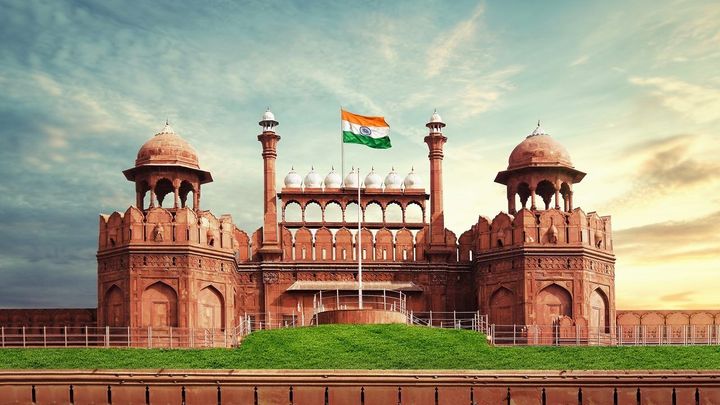
The national celebration at the Red Fort in New Delhi is a major part of the occasion. The Prime Minister traditionally unfurls the National Flag and addresses the nation. Schools, colleges, public institutions, residential communities, and cultural organisations also arrange their own programmes.
Independence Day celebrations can include flag ceremonies, patriotic songs, cultural performances, speeches, educational activities, art programmes, quizzes, and community gatherings. The purpose is not simply entertainment. It is also an opportunity to reflect on citizenship, democracy, unity, and the responsibilities associated with living in a diverse country.
Why Independence Day Matters Today
Independence Day continues to matter because it connects historical events with present-day civic life. It encourages people to remember the sacrifices associated with India’s independence while thinking about the country’s future.
The occasion affects people across age groups. Children can learn about history through classroom activities, while adults can participate in community programmes and discussions about national development.
For families, the day can become an opportunity to discuss India's history and cultural diversity. For educational institutions, it provides a useful setting for lessons about the Constitution, national symbols, freedom movements, and democratic values.
Some meaningful celebration ideas include:
- Organising a short history presentation about the freedom movement.
- Conducting a quiz about Indian national symbols and historical events.
- Arranging traditional music and cultural performances.
- Creating artwork based on India’s heritage and diversity.
- Reading biographies of important freedom movement figures.
- Organising community cleanliness or environmental awareness activities.
- Holding discussions about responsible citizenship and democratic participation.
- Watching the national ceremony and discussing its historical significance.
A simple programme can be more meaningful when it combines celebration with learning. Activities should be suitable for participants’ ages and local conditions.
Independence Day Celebration Ideas at a Glance
| Activity | Main Purpose | Suitable For |
|---|---|---|
| Flag ceremony | National remembrance | Communities and institutions |
| History quiz | Educational learning | Students and families |
| Cultural programme | Celebrate diversity | All age groups |
| Patriotic music | Cultural participation | Schools and communities |
| Art activity | Creative expression | Children and students |
| History discussion | Civic awareness | Older students and adults |
| Community activity | Public participation | Local groups |
Recent Updates and Celebration Trends
The most recent completed national celebration was India’s 79th Independence Day on 15 August 2025. The Prime Minister led the national ceremony at the Red Fort, unfurled the National Flag, and addressed the nation. The official theme highlighted the idea of “Naya Bharat.”
The 2025 programme also placed attention on participation from different parts of society. Around 210 elected Panchayat representatives from across India attended the Red Fort ceremony as special guests, highlighting the role of grassroots democracy and rural India.
The 2025 celebrations also included special guests associated with efforts involving women and children, reflecting the broader idea that national development involves participation from communities at different levels.
Another continuing trend is the use of digital platforms for educational and cultural participation. People increasingly use online presentations, digital posters, virtual quizzes, short educational videos, and social media posts to share Independence Day information.
However, digital celebration should remain responsible. Historical information should be checked before publication, and images or national symbols should be used respectfully.
For 2026, the national Independence Day celebration will take place on 15 August 2026. As of 12 August 2026, the 2026 national ceremony has not yet taken place, so specific details about this year's final programme should be confirmed through official announcements rather than assumptions.
Laws, Policies, and National Flag Guidelines
Independence Day celebrations in India are influenced by rules concerning the National Flag and national honour. The Flag Code of India, 2002 and the Prevention of Insults to National Honour Act, 1971 are important references for understanding appropriate use and display of the National Flag. The Ministry of Home Affairs currently publishes these documents and related compliance instructions.
The Flag Code provides guidance concerning the dignity and display of the National Flag. For example, the flag should be rectangular, with a length-to-width ratio of 3:2, and a damaged or dishevelled flag should not be displayed.
Changes to the Flag Code have also affected how the National Flag may be displayed. An amendment in December 2021 expanded the permitted materials to include machine-made and polyester flags, alongside specified traditional materials. A July 2022 amendment stated that when displayed in the open or on the house of a member of the public, the National Flag may be flown day and night.
The Ministry of Home Affairs continued publishing compliance-related material in January 2026, demonstrating that respectful observance of national symbols remains an active policy matter.
People organising celebrations should therefore check the latest official guidance before planning flag-related activities. Local authorities may also have arrangements concerning public gatherings, traffic, security, sound levels, or use of public spaces.
Tools and Resources for Independence Day Planning
Planning a celebration does not require complicated equipment. A few general-purpose resources can help organisers create an educational and organised programme.
Useful resources include:
- Calendar tools: Helpful for planning programmes around 15 August.
- Presentation software: Useful for historical timelines and educational slides.
- Quiz platforms: Can support interactive history and civic-awareness quizzes.
- Design templates: Useful for creating posters, invitations, certificates, and programme schedules.
- Digital learning platforms: Helpful for researching Indian history and constitutional topics.
- Map tools: Can help students understand the geographical diversity of India.
- Word-processing tools: Useful for preparing speeches, announcements, and event schedules.
- Spreadsheet tools: Helpful for creating participant lists and programme timetables.
- Official government portals: Useful for checking current rules, national announcements, and policy information.
When creating educational content, organisers should distinguish between historical facts, opinions, and modern interpretations. Government publications and recognised educational materials can help improve factual accuracy.
Simple Tips for a Meaningful Celebration
A good Independence Day programme does not need to be complicated. The focus can remain on learning, respect, participation, and community connection.
Start with a clear schedule. A short flag ceremony can be followed by the national anthem, a historical presentation, cultural activities, and a closing message.
Schools can involve students by assigning different roles such as presenters, quiz participants, artists, readers, or event coordinators. This creates active participation rather than making the programme entirely speech-based.
Families can celebrate through activities such as watching the national ceremony, discussing important historical events, preparing Indian regional dishes, reading about freedom movement figures, or creating a family history timeline.
Communities can combine celebration with civic activities such as environmental awareness, heritage discussions, or educational exhibitions.
Digital content should also be prepared carefully. Avoid unverified historical claims, manipulated images, disrespectful representations of national symbols, or exaggerated statements.
Frequently Asked Questions
When is Independence Day celebrated in India?
India celebrates Independence Day every year on 15 August. The date commemorates independence from British rule in 1947.
Why is the Red Fort important on Independence Day?
The Red Fort in New Delhi is the traditional location for the Prime Minister’s national Independence Day ceremony. The Prime Minister unfurls the National Flag and delivers an address from the historic monument.
Can members of the public display the National Flag?
Yes. The Flag Code of India permits members of the public, private organisations, and educational institutions to display the National Flag on days and occasions, provided its dignity and honour are maintained.
What are some educational Independence Day activities?
Schools and communities can conduct history quizzes, speeches, cultural programmes, art activities, patriotic music sessions, historical exhibitions, and discussions about citizenship and democracy.
What should organisers remember when using the National Flag?
Organisers should follow the latest Flag Code requirements and related national-honour legislation. The flag should be displayed respectfully and should not be damaged, dishevelled, or used in a manner inconsistent with its dignity.
Conclusion
Independence Day is more than an annual national celebration. It is an opportunity to remember India’s freedom movement, understand the development of the country, appreciate cultural diversity, and think about responsible citizenship.