Explore Industrial Fastener Types: Complete Information and Details
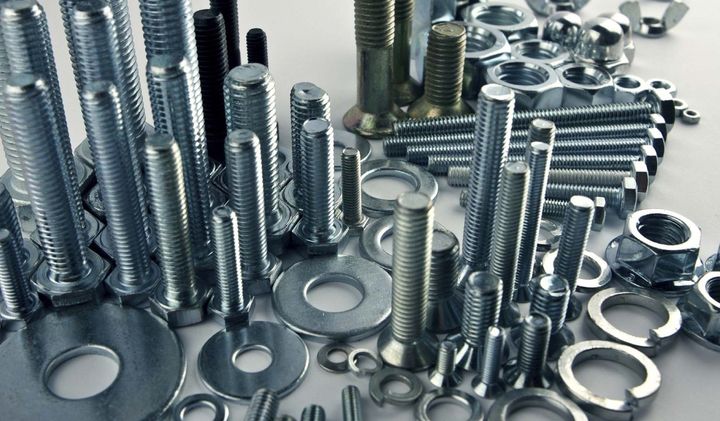
Industrial fasteners are essential components used to join, secure, or assemble different materials and parts in manufacturing, construction, transportation, and engineering projects. These small but important items help maintain structural stability and ensure that equipment, machinery, and buildings function as intended. Common industrial fasteners include bolts, nuts, screws, washers, rivets, and anchors.
As industries continue to expand and adopt advanced technologies, the demand for reliable fastening solutions remains significant. Understanding industrial fastener types, their applications, and current developments helps businesses, engineers, and maintenance teams make informed decisions when selecting fastening methods for different environments and requirements.
Context
Industrial fasteners are mechanical devices designed to hold two or more objects together. They are used across numerous sectors, including automotive manufacturing, aerospace, construction, electronics, energy production, and heavy machinery.
The history of fasteners dates back centuries, but modern industrial fasteners have evolved considerably through advances in materials science and manufacturing processes. Today's fasteners are available in various materials such as steel, stainless steel, aluminum, brass, and titanium.
Common Industrial Fastener Types
| Fastener Type | Primary Purpose | Typical Applications |
|---|---|---|
| Bolts | Secure components with nuts | Construction, machinery |
| Nuts | Pair with bolts for fastening | Industrial assemblies |
| Screws | Join materials directly | Electronics, furniture |
| Washers | Distribute load and reduce wear | Mechanical systems |
| Rivets | Create permanent joints | Aerospace, automotive |
| Anchors | Attach objects to concrete or masonry | Building structures |
| Studs | Provide threaded connection points | Engines and equipment |
Materials Used in Fasteners
- Carbon steel
- Stainless steel
- Alloy steel
- Aluminum
- Brass
- Titanium
The choice of material depends on environmental conditions, load requirements, corrosion resistance, and intended application.
Importance
Industrial fasteners play a critical role in ensuring the safety, durability, and functionality of assembled products and structures. Even a well-designed system can experience performance issues if inappropriate fasteners are used.
Fasteners affect many industries and stakeholders, including manufacturers, engineers, maintenance professionals, contractors, and infrastructure operators. Their selection influences product reliability, maintenance schedules, and operational efficiency.
Key reasons industrial fasteners are important include:
- Supporting structural integrity
- Improving equipment reliability
- Enabling efficient assembly processes
- Simplifying maintenance and repairs
- Enhancing workplace safety
In sectors such as transportation and construction, fastener performance can directly impact the long-term stability of critical systems and structures.
Recent Updates
Between 2024 and 2026, several developments have influenced the industrial fastener industry.
One major trend is the increasing use of corrosion-resistant materials. Industries operating in marine, chemical, and outdoor environments continue to adopt stainless steel and specialized coated fasteners to improve durability.
Another development involves smart manufacturing practices. Fastener production facilities are increasingly incorporating automation, robotics, and digital quality-control systems to improve consistency and efficiency.
Sustainability initiatives have also gained attention. Manufacturers are focusing on reducing material waste, improving recycling processes, and utilizing environmentally conscious production methods.
Digital inventory management systems have become more common, helping organizations track fastener usage, monitor stock levels, and improve supply chain planning.
Additionally, industries such as renewable energy, electric vehicles, and advanced infrastructure projects have created new requirements for specialized fastening solutions capable of handling unique environmental and mechanical conditions.
Laws or Policies
Industrial fasteners are often subject to technical standards, safety requirements, and quality regulations that vary by industry and region.
Several internationally recognized standards help ensure consistency and reliability:
| Standard Organization | Purpose |
| ISO | International fastener dimensions and specifications |
| ASTM | Material testing and performance standards |
| DIN | Engineering and manufacturing standards |
| ANSI | Standardization within industrial applications |
| SAE | Specifications commonly used in transportation sectors |
Government agencies and regulatory bodies may require compliance with specific standards for public infrastructure, transportation systems, and industrial equipment.
Organizations typically maintain documentation related to:
- Material certifications
- Quality testing records
- Traceability information
- Inspection reports
- Safety compliance documentation
Compliance with applicable standards helps maintain product quality and supports safe operation in regulated industries.
Tools and Resources
Various tools and resources can help professionals select, evaluate, and manage industrial fasteners effectively.
Useful Resources
| Resource Type | Purpose |
| Fastener Size Charts | Identify dimensions and specifications |
| Thread Calculators | Determine thread compatibility |
| Torque Calculators | Estimate tightening requirements |
| Material Reference Guides | Compare material properties |
| Engineering Standards Libraries | Access technical specifications |
Useful platforms and organizations include:
- International Organization for Standardization (ISO)
- ASTM International
- American National Standards Institute (ANSI)
- Engineering reference databases
- Manufacturing association resources
These resources help users understand technical requirements, material characteristics, and industry best practices.
FAQs
What is the difference between a bolt and a screw?
A bolt typically works with a nut to create a secure connection, while a screw usually threads directly into a material or pre-threaded hole.
Why is stainless steel commonly used for fasteners?
Stainless steel provides strong corrosion resistance, making it suitable for environments exposed to moisture, chemicals, or outdoor conditions.
How do washers improve fastening performance?
Washers distribute pressure across a larger surface area, helping reduce wear, prevent damage, and improve load distribution.
What factors should be considered when selecting a fastener?
Important factors include material type, load requirements, environmental conditions, corrosion resistance, and applicable industry standards.
Are industrial fasteners standardized globally?
Many fasteners follow internationally recognized standards such as ISO, ASTM, DIN, and ANSI, although specific requirements may vary by industry and region.
Conclusion
Industrial fasteners are fundamental components used throughout modern manufacturing, construction, transportation, and engineering projects. Understanding different fastener types, materials, and applications helps ensure reliable and safe assemblies. Recent developments in automation, sustainability, and advanced materials continue to shape the industry. By following recognized standards and utilizing appropriate technical resources, organizations can improve performance, durability, and operational efficiency when working with industrial fasteners.

You May Also Like