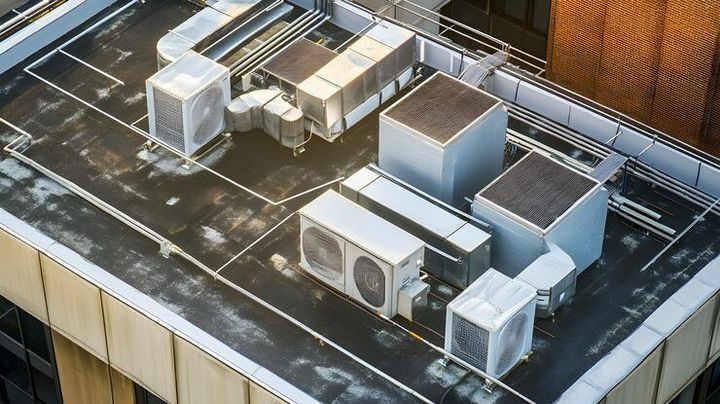
Explore Industrial Ventilation Systems for Safer Work Environments
Industrial environments often involve heat, dust, fumes, and airborne contaminants that can affect both worker health and operational efficiency. Industrial ventilation systems play a vital role in controlling indoor air quality, ensuring a safer and more comfortable workplace. From manufacturing plants to mining operations and marine facilities, proper ventilation is essential for maintaining compliance, productivity, and well-being.
This article explores industrial ventilation systems, their types, benefits, and how they contribute to safer work environments across different industries.
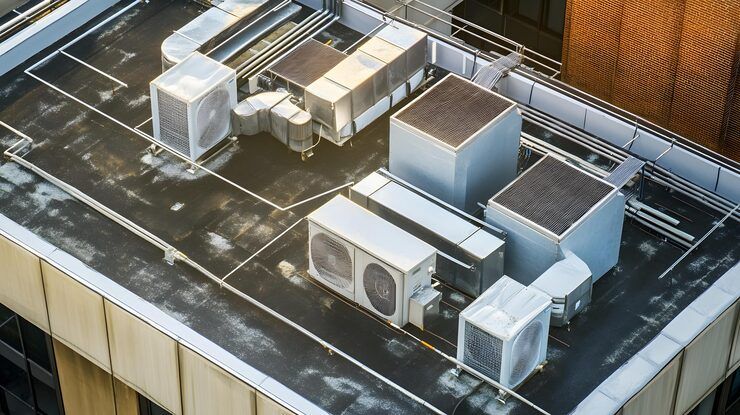
Understanding Industrial Ventilation Systems
Industrial ventilation systems are engineered solutions designed to regulate airflow within a workspace. They remove contaminated air and replace it with clean air, helping to control temperature, humidity, and pollutant levels.
These systems are especially important in industries where hazardous gases, dust, or chemical vapors are present. Without proper ventilation, these elements can accumulate and pose serious risks.
An industrial air ventilation system typically includes ducts, fans, filters, and control systems that work together to manage airflow effectively. The goal is to create a balanced environment where air circulation supports both safety and efficiency.
Types of Industrial Ventilation
There are two primary types of industrial ventilation used across facilities:
-
general ventilation
This system dilutes contaminated air by introducing fresh air into the workspace. It is commonly used in large areas where pollutants are spread evenly. -
local exhaust ventilation
This method captures contaminants at their source before they disperse into the environment. It is highly effective in controlling specific hazards such as welding fumes or chemical emissions.
Both types are often combined to create a comprehensive industrial ventilation strategy.
Key Components of Industrial Ventilation
Industrial ventilation systems rely on several core components to function effectively. Each part plays a specific role in maintaining airflow and air quality.
-
exhaust fans
These are critical for removing contaminated air. A global industrial exhaust fan is often used in large-scale facilities to handle high volumes of air. -
ductwork
Ducts transport air from one area to another, ensuring pollutants are safely removed. -
air filters
Filters capture dust, particles, and harmful substances before air is released or recirculated. -
control systems
Modern systems include sensors and automation features to monitor air quality and adjust airflow as needed.
Together, these components create a reliable system that supports consistent ventilation performance.
Applications Across Industries
Industrial ventilation systems are used in a wide range of industries, each with unique requirements and challenges.
Manufacturing and HVAC Environments
In manufacturing facilities, ventilation helps control heat, dust, and chemical exposure. Processes such as welding, painting, and machining generate airborne contaminants that need to be managed.
HVAC R supplies are often integrated into these systems to maintain temperature and humidity levels. This ensures that both equipment and workers operate under optimal conditions.
Proper ventilation also helps protect sensitive machinery from dust buildup, reducing maintenance needs and improving efficiency.
Mining and Marine Ventilation Systems
Mining ventilation systems are essential for underground operations. They supply fresh air to workers while removing harmful gases such as methane and carbon monoxide.
In marine environments, ventilation systems regulate air quality within ships and offshore structures. Marine ventilation ensures proper airflow in confined spaces, preventing the buildup of moisture and hazardous fumes.
Both mining and marine ventilation systems are designed to operate under extreme conditions, making reliability a key factor.
Benefits of Industrial Ventilation Systems
Industrial ventilation offers several important advantages that directly impact workplace safety and productivity.
-
improved air quality
By removing pollutants, ventilation systems create a healthier environment for workers. -
enhanced safety
Proper airflow reduces the risk of fire, explosion, and exposure to harmful substances. -
temperature control
Ventilation helps regulate heat, especially in high-temperature industrial processes. -
regulatory compliance
Many industries require adherence to air quality standards, which ventilation systems help achieve. -
increased productivity
A comfortable work environment supports better focus and efficiency among employees.
These benefits highlight why industrial ventilation is a critical investment for any industrial setting.
Comparing Ventilation System Types
Below is a simple comparison of different industrial ventilation approaches:
| Ventilation Type | Primary Function | Best Use Case | Efficiency Level |
|---|---|---|---|
| General Ventilation | Dilutes contaminated air | Large open spaces | Moderate |
| Local Exhaust Ventilation | Captures pollutants at source | Welding, chemical handling | High |
| Dilution Ventilation | Reduces pollutant concentration | Low-toxicity environments | Moderate |
| Mechanical Ventilation | Uses fans and ducts for airflow | Controlled industrial settings | High |
| Natural Ventilation | Uses natural airflow | Warehouses with open structures | Low to Moderate |
This table shows how different systems serve specific needs depending on the environment.
Factors to Consider When Choosing a System
Selecting the right industrial ventilation system depends on several factors. Each facility has unique requirements that influence system design.
-
type of contaminants
Different pollutants require different filtration and extraction methods. -
workspace size
Larger areas may need more powerful systems or multiple units. -
airflow requirements
The volume and direction of airflow must be carefully planned. -
environmental conditions
Temperature, humidity, and external factors can affect system performance. -
energy efficiency
Modern systems focus on reducing energy consumption while maintaining effectiveness.
Considering these factors helps ensure the system meets both safety and operational needs.
Role of Technology in Modern Ventilation
Advancements in technology have significantly improved industrial ventilation systems. Smart sensors and automation now allow real-time monitoring of air quality.
These systems can adjust airflow based on changing conditions, ensuring optimal performance at all times. Integration with HVAC R supplies further enhances efficiency by maintaining consistent indoor conditions.
Energy-efficient designs are also becoming more common, helping industries reduce their environmental impact while maintaining safety standards.
Maintenance and System Performance
Regular maintenance is essential for keeping industrial ventilation systems functioning effectively. Over time, filters can become clogged, and ducts may accumulate dust or debris.
Routine inspections help identify issues early and prevent system failure. Maintenance practices typically include:
- cleaning or replacing filters
- checking fan performance
- inspecting ductwork for leaks
- monitoring airflow levels
Consistent maintenance ensures that the system continues to provide reliable air quality and safety.
Challenges in Industrial Ventilation
Despite their importance, industrial ventilation systems can face several challenges. Complex environments, high energy demands, and varying pollutant levels can make system design and operation difficult.
In mining ventilation systems, maintaining airflow in deep underground tunnels can be particularly challenging. Similarly, marine ventilation must handle confined spaces and fluctuating environmental conditions.
Addressing these challenges requires careful planning, advanced technology, and ongoing monitoring.
Future Trends in Industrial Ventilation
The future of industrial ventilation is focused on sustainability and innovation. New systems are being designed to reduce energy consumption while improving performance.
Trends include:
- smart ventilation systems with AI-based controls
- energy recovery systems that reuse heat
- improved filtration technologies
- integration with digital monitoring platforms
These advancements are helping industries create safer and more efficient work environments.
Conclusion
Industrial ventilation systems are a cornerstone of workplace safety and efficiency. By controlling air quality, temperature, and pollutant levels, they create environments where workers can perform safely and effectively.
From global industrial exhaust fans to specialized mining ventilation systems and marine ventilation solutions, each system plays a critical role in maintaining operational standards. With ongoing technological advancements, industrial ventilation continues to evolve, offering smarter and more sustainable solutions for modern industries.

You May Also Like