Explore Introduction to Robotics: Understanding How Robots Work in Modern Technology
Robotics is a field of technology focused on designing, building, and operating machines that can perform tasks automatically or with minimal human control. These machines, known as robots, combine elements from engineering, computer science, electronics, and artificial intelligence to interact with the physical world.
Robotics is a field of technology focused on designing, building, and programming machines that can perform tasks automatically or with minimal human intervention. It combines engineering, software, and intelligent systems to create machines capable of interacting with the physical world.
The concept of robotics emerged from the need to automate repetitive, dangerous, or highly precise tasks. Early robots were mainly used in manufacturing for assembly, welding, and packaging.
Over time, advancements in sensors, software, and machine learning enabled robots to perform more complex tasks across industries such as healthcare, logistics, agriculture, and space exploration. Today, robotics is closely connected with artificial intelligence, machine vision, and smart manufacturing systems.
Why Robotics Matters Today
Robotics plays a critical role in modern industries by improving productivity, safety, and operational accuracy. Organizations rely on robotic systems to perform tasks that require precision, speed, or continuous operation.
Key Reasons for the Growth of Robotics
- Automation efficiency: Robots perform repetitive tasks consistently without fatigue
- Workplace safety: They operate in hazardous environments like chemical plants or mining areas
- Healthcare innovation: Robotics supports surgeries, imaging, and rehabilitation systems
- Smart manufacturing: Enables automated assembly lines and production systems
- Data-driven operations: AI-powered robots can analyze data and adapt in real time
Many industries now depend on robotics to maintain efficiency and reliability in operations.
Applications of Robotics Across Industries
| Industry | Robotics Applications | Key Benefits |
|---|---|---|
| Manufacturing | Assembly, welding, quality inspection | High precision and productivity |
| Healthcare | Surgical assistance, rehabilitation robots | Improved accuracy and patient support |
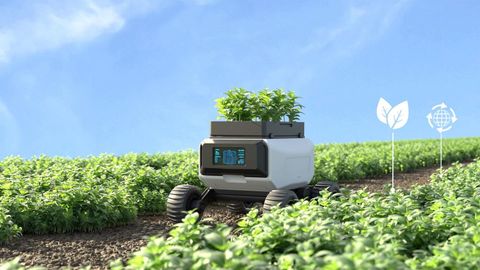
| Agriculture | Crop monitoring, harvesting robots | Efficient farming operations |
| Logistics | Automated warehouses, sorting systems | Faster inventory handling |
| Space Exploration | Planetary rovers, robotic arms | Remote operations in extreme environments |
As digital transformation continues globally, robotics is central to building intelligent and connected systems.
Recent Developments in Robotics
Robotics technology has advanced rapidly due to progress in artificial intelligence, machine learning, and sensor systems. Several trends between 2024 and 2025 highlight this evolution.
Collaborative Robots (Cobots)
Cobots are designed to work safely alongside humans in shared environments. Unlike traditional robots, they assist workers directly in tasks such as assembly and equipment handling.
AI-Powered Robotics
Artificial intelligence enables robots to analyze visual data, recognize objects, and adapt to changing conditions. This is widely used in warehouses and automated systems.
Autonomous Robotics
Self-navigating robots are increasingly used in logistics, hospitals, and research facilities. They rely on technologies like mapping and navigation systems to move independently.
Robotics in Hazardous Environments
Robots equipped with advanced sensors are used for inspection and monitoring in dangerous environments such as disaster zones and industrial facilities.
Humanoid and Service Robots
Humanoid robots and service-based robotic systems are gaining attention in research and public demonstrations. These systems showcase advancements in mobility and human interaction.
Laws and Policies Affecting Robotics
Robotics development is guided by regulations that focus on safety, ethics, and responsible use of technology. These policies ensure that robotic systems operate within defined standards.
Key Policy Focus Areas
- Safety standards for industrial robotic systems
- Ethical use of artificial intelligence
- Data protection and cybersecurity
- Research funding for advanced technologies
- Development of smart manufacturing ecosystems
Robotics in India
In India, robotics innovation is supported by initiatives related to digital transformation and advanced manufacturing. These programs encourage automation and technology adoption across industries.
International Standards
Global engineering and technology organizations provide guidelines for robotics safety and system design. These standards help ensure reliability and responsible deployment.
Tools and Resources Related to Robotics
Robotics development involves a combination of software tools, programming languages, and simulation platforms. These resources help engineers and researchers design and test robotic systems.
Robotics Development Platforms
- Robot Operating System (ROS) – framework for robot control and communication
- MATLAB Robotics Toolbox – used for simulation and control systems
- Gazebo Simulator – virtual environment for testing robot behavior
Programming Languages Used in Robotics
- Python
- C++
- Java
- MATLAB
Learning and Research Resources
- Robotics research publications
- Engineering learning platforms
- Open-source robotics communities and forums
Common Robotics Tools Overview
| Tool | Purpose | Common Use |
|---|---|---|
| ROS | Robotics software framework | Robot control and communication |
| Gazebo | Robotics simulator | Testing robot behavior |
| MATLAB Robotics Toolbox | Mathematical modeling | Research and simulation |
| Python | Programming language | AI and robotics development |
These tools support both academic research and industrial robotics development.
Frequently Asked Questions
What is robotics in simple terms?
Robotics is the technology used to create machines that can perform tasks automatically or with minimal human involvement.
How does robotics use artificial intelligence?
Artificial intelligence helps robots process data, recognize patterns, and make decisions based on sensor inputs.
Where are robots commonly used?
Robots are widely used in manufacturing, healthcare, agriculture, logistics, and scientific research.
What skills are needed for robotics?
Important skills include programming, electronics, mechanical design, and knowledge of AI and automation systems.
Are robots fully autonomous?
Some robots operate independently, while others require human supervision depending on the task and environment.
Conclusion
Robotics is a rapidly evolving field that combines engineering, artificial intelligence, and automation technologies. From early industrial machines to advanced AI-driven systems, robotics continues to transform how tasks are performed.
Today, robotics plays a major role in industries such as manufacturing, healthcare, agriculture, logistics, and space exploration. Continuous advancements in machine learning, sensors, and autonomous systems are expanding its capabilities.
At the same time, policies and regulations ensure that robotics development remains safe and responsible. As technology progresses, robotics will continue to be a key driver of innovation and digital transformation worldwide.