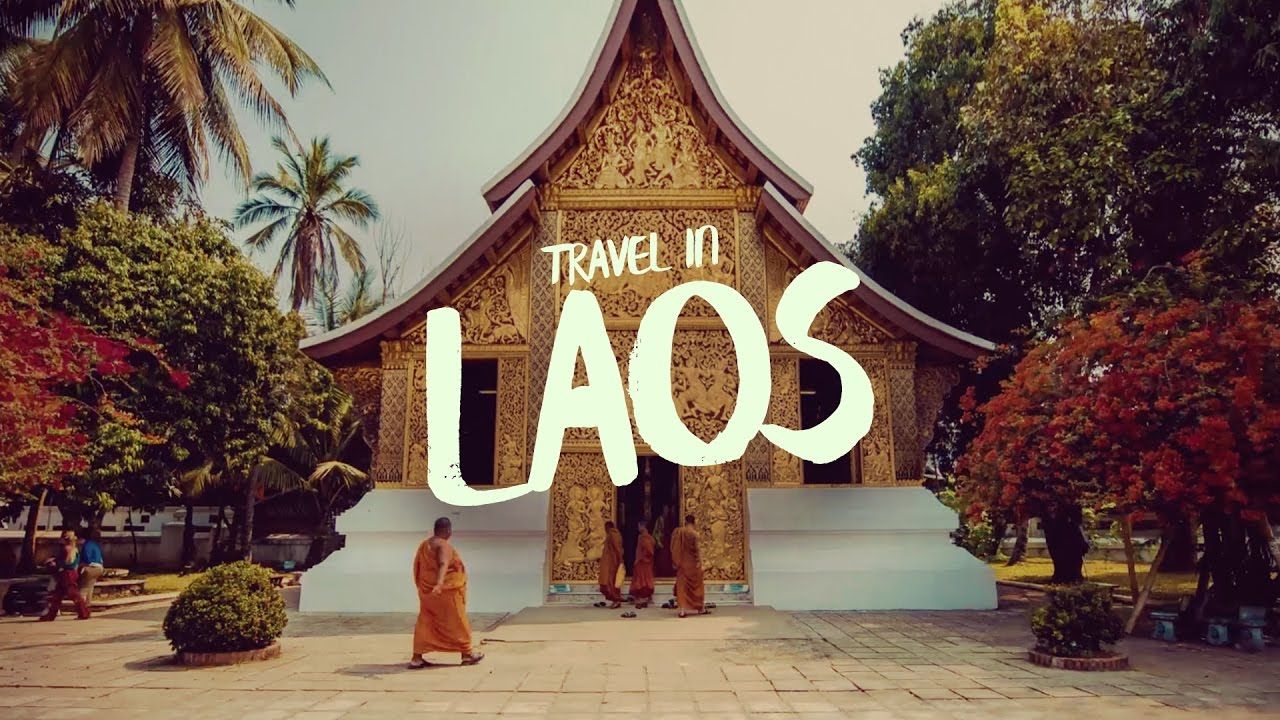
Tourism in the Lao People’s Democratic Republic (Laos) refers to the travel activities of visitors who explore the country’s natural landscapes, cultural heritage, and local communities. Nestled between Thailand, Vietnam, and China, Laos offers a quieter alternative to its more-touristed neighbours, with lush countryside, the mighty Mekong River, and a rich history rooted in Buddhist traditions and French colonial influences.
The tourism sector exists because travellers seek unique experiences — from serene monasteries and colonial architecture in the capital Vientiane to off-the-beaten-path treks in northern provinces or relaxed river-life in southern towns. Over time, the Lao government has recognised tourism as a way to boost economic development, support local livelihoods, and promote the country internationally.
Importance
Understanding tourism in Laos matters today for several reasons.
-
Economic and social impact: Tourism brings income to local businesses, guides, transport providers, and hospitality sectors in Laos. It supports jobs and local economies, particularly in rural or less-developed regions.
-
Cultural exchange and preservation: Visitors engage with Lao culture, traditions, crafts, and local customs. This interaction helps raise awareness of intangible heritage and can encourage preservation of historical sites.
-
Sustainable development challenges: Because Laos is less developed in tourist infrastructure than some neighbouring countries, there are real issues around environmental protection, visitor safety, and maintaining authenticity. Unplanned tourism can create problems when local resources are limited.
-
Problems it helps address: Tourism provides diversification of income for communities previously dependent on agriculture or mining. It also promotes regional connectivity and infrastructure upgrades that benefit both visitors and locals.
Recent Updates
Here are key recent trends and changes in Laos tourism (2024-2025):
-
In 2025, Laos recorded a 15 % growth in international visitors, reaching over three million foreign travellers in the first eight months of the year.
-
The special visa-exemption policy introduced during “Visit Laos Year 2024” ended on 1 January 2025, meaning visitors must now follow the standard visa regime again.
-
From 1 September 2025, Laos introduced a trial phase of digital arrival and departure cards to replace paper forms at major entry points such as Vientiane, Luang Prabang, and Pakse airports.
-
Infrastructure improvements across roads, railways, and airports continue to make travel easier and more accessible for both tourists and local communities.
These developments show that tourism in Laos is growing and modernising. Regulation is tightening, digital processes are emerging, and the country is welcoming more visitors than ever.
Laws or Policies
Visiting and engaging in tourism in Laos is shaped by several laws, policies, and regulations.
-
Visa policy: Most tourists need a visa. A tourist e-Visa is available and valid for up to 30 days, while many nationalities can obtain visas on arrival at certain airports and border crossings. A passport must usually be valid for at least six months.
Type Stay Allowed Notes e-Visa Up to 30 days stay, valid 60 days from issue Single entry only Visa on arrival Up to 30 days, extension possible Available at designated ports Visa exemptions Some countries eligible for 14-30 days stay without visa Subject to change -
Visitor behaviour and legal obligations: Foreigners must respect local laws. Drug offences carry severe penalties, and cultural or religious disrespect is strongly discouraged.
-
Safety and environmental regulation: Some adventure tourism activities may not meet international safety standards. Travellers should assess risks carefully, particularly in remote areas.
-
Health and customs: Passport validity, customs regulations, and entry/exit rules are strictly enforced. The digital arrival and departure card trial introduced in 2025 marks a shift toward modernised immigration control.
Tools and Resources
Here are practical tools and resources that can help with planning a trip to Laos:
-
Official e-Visa Portal: The Lao e-Visa website allows travellers to apply online, check application status, and verify eligibility.
-
Government Travel Advisories: Many countries provide detailed advice on safety, entry requirements, and local laws for Laos.
-
Visa Requirement Guides: Updated information by nationality helps travellers understand which documents they need before entry.
-
Local Immigration Department: The Lao Immigration Department provides the latest updates on digital entry systems and visa extensions.
-
Travel Planning Tools: Digital maps, itinerary planners, and transport schedule apps are useful for navigating the country’s limited infrastructure.
-
Cultural Information Portals: Local tourism boards and community guides provide information on festivals, etiquette, and responsible travel practices.
Using these tools helps ensure travellers are informed, compliant with regulations, and able to enjoy a culturally respectful visit.
Frequently Asked Questions
Q: Do I need a visa to travel to Laos?
A: Yes. Most visitors require a visa in advance or can obtain one on arrival, depending on nationality. The e-Visa option allows entry for up to 30 days and is valid for 60 days from issuance.
Q: Can I extend my stay in Laos?
A: Yes. Tourist visas (on arrival or e-Visa) can usually be extended at immigration offices inside Laos. Documentation and local processing fees apply.
Q: Have there been any recent changes for travellers to Laos?
A: Yes. The “Visit Laos Year 2024” visa-exemption policy ended in early 2025, and the country began testing a digital arrival and departure card system in September 2025.
Q: Is it safe to take part in outdoor or adventure activities in Laos?
A: Many reputable operators exist, but some rural or adventure activities may have limited safety oversight. Travellers should verify local conditions and ensure personal travel insurance coverage.
Q: What cultural customs should visitors be aware of?
A: Dress modestly when visiting temples or villages, ask before taking photographs, and greet locals respectfully. It’s considered impolite to touch someone’s head or point feet toward Buddha images.
Conclusion
Travel to Laos offers a distinctive blend of nature, spirituality, and culture. From tranquil river landscapes to ancient temples and welcoming local communities, the country provides meaningful travel experiences for those seeking authenticity. By understanding its tourism context, staying informed about recent updates, and respecting local customs and regulations, travellers can ensure their visit supports both cultural preservation and sustainable development. A well-planned, responsible journey through Laos can create lasting memories while contributing positively to the communities that make the country so unique.