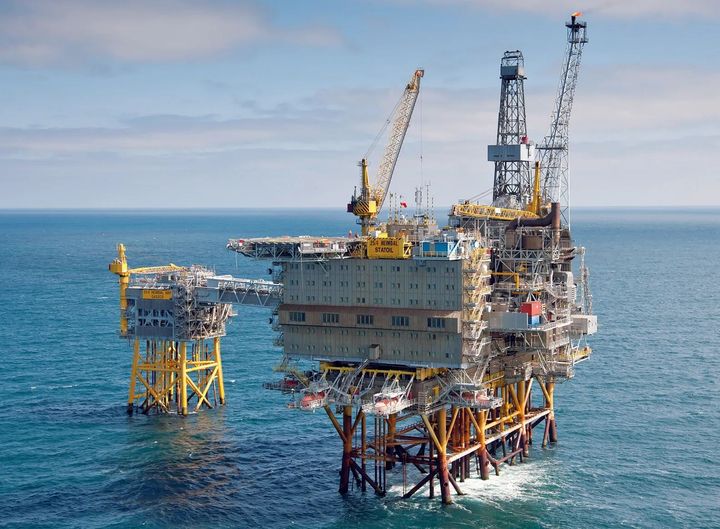
Explore Offshore Equipment Manufacturing: Essential Facts and Industry Innovations
Offshore equipment manufacturing refers to the design and production of machinery and systems used in ocean-based industries, particularly offshore oil and gas equipment and marine operations.
These systems operate in challenging environments such as deep waters, high pressure zones, and extreme weather conditions. Offshore equipment manufacturers create tools that support drilling, extraction, transportation, and maintenance activities far from land.
This field has developed alongside global energy demands and advancements in engineering. Offshore drilling equipment manufacturing and subsea equipment manufacturing have become more sophisticated over time, allowing industries to access resources beneath the ocean floor. Marine equipment manufacturing also supports shipping, renewable energy projects, and underwater infrastructure.
The sector includes a wide range of components, from offshore platform equipment to offshore pipeline equipment manufacturing systems. These tools ensure safe and efficient operations in environments where direct human intervention is limited.
Importance
Offshore equipment manufacturing plays a critical role in supporting global energy supply and marine activities. Offshore production equipment helps extract oil and gas resources that are not available on land, contributing to energy availability in many countries.
This field affects several areas of daily life. For example, energy produced through offshore operations supports electricity generation, transportation, and industrial processes. Additionally, marine equipment manufacturing contributes to shipping systems that enable global trade.
Key challenges addressed by this sector include:
- Safety in harsh environments, as offshore machinery manufacturers design equipment that can withstand pressure, corrosion, and temperature changes
- Efficiency in resource extraction, where offshore drilling equipment manufacturing improves output while reducing environmental impact
- Accessibility of deep-sea resources, with subsea oil and gas equipment suppliers providing advanced tools for underwater exploration
The development of offshore lifting and handling equipment also ensures that heavy components can be transported and installed safely on offshore platforms.
Recent Updates
Recent developments in offshore equipment manufacturing have focused on technology, sustainability, and automation. From 2024 to 2026, several trends have shaped the industry.
One notable trend is the integration of digital technologies. Offshore machinery manufacturers are increasingly using sensors, data monitoring systems, and remote control operations. These tools allow operators to monitor equipment performance in real time and reduce the need for manual inspections.
Another development is the shift toward cleaner energy solutions. Marine equipment manufacturing now supports offshore wind projects, where turbines are installed in ocean environments. This has expanded the scope of offshore platform equipment beyond oil and gas.
Automation is also playing a larger role. Subsea equipment manufacturing includes robotic systems that perform underwater inspections and repairs. These technologies improve safety and reduce risks for human workers.
In addition, materials engineering has improved. Offshore pipeline equipment manufacturing now uses corrosion-resistant alloys and advanced coatings, extending the lifespan of equipment exposed to saltwater conditions.
Laws or Policies
Offshore equipment manufacturing is influenced by various national and international regulations. These rules aim to ensure safety, environmental protection, and operational standards.
In many countries, offshore oil and gas equipment must comply with environmental guidelines that limit pollution and protect marine ecosystems. Regulatory bodies set standards for emissions, waste management, and spill prevention.
Safety regulations are also important. Offshore drilling equipment manufacturing must follow strict guidelines related to structural integrity, pressure control, and emergency systems. These rules help prevent accidents and ensure worker safety.
International standards organizations provide frameworks that offshore equipment manufacturers follow. These include guidelines for design, testing, and maintenance of offshore production equipment.
Governments may also introduce policies that encourage the development of renewable offshore energy systems. This affects marine equipment manufacturing by promoting innovation in offshore wind and tidal energy technologies.
Tools and Resources
Various tools and resources support offshore equipment manufacturing and related activities. These resources help engineers, researchers, and planners design and evaluate equipment effectively.
Common tools include:
- Design software platforms, such as CAD tools, used in offshore drilling equipment manufacturing to create detailed equipment models
- Simulation tools that test how offshore platform equipment performs under different ocean conditions
- Data monitoring systems that track the performance of subsea oil and gas equipment suppliers’ products in real time
- Industry databases that provide technical standards and guidelines for offshore machinery manufacturers
Below is a simple overview of key equipment categories and their functions:
| Equipment Type | Primary Function | Application Area |
|---|---|---|
| Offshore drilling equipment | Extracts oil and gas from beneath seabed | Oil and gas exploration |
| Subsea equipment | Operates underwater for production and control | Deep-sea operations |
| Offshore platform equipment | Supports drilling and processing activities | Offshore platforms |
| Marine equipment | Assists in transportation and navigation | Shipping and logistics |
| Offshore lifting and handling tools | Moves heavy components safely | Installation and maintenance |
| Offshore pipeline equipment | Transports extracted resources | Energy distribution systems |
These tools and resources enable efficient planning, production, and maintenance across the offshore sector.
FAQs
What is offshore equipment manufacturing?
Offshore equipment manufacturing involves creating machinery and systems used in ocean-based industries, including offshore oil and gas equipment and marine operations. These tools are designed to function in harsh marine environments.
How do offshore equipment manufacturers support energy production?
Offshore equipment manufacturers develop offshore production equipment and drilling systems that help extract oil and gas from beneath the ocean floor. This supports energy supply in many regions.
What is subsea equipment manufacturing used for?
Subsea equipment manufacturing focuses on producing tools that operate underwater. These include systems used for exploration, monitoring, and maintenance of offshore oil and gas operations.
What types of offshore platform equipment are commonly used?
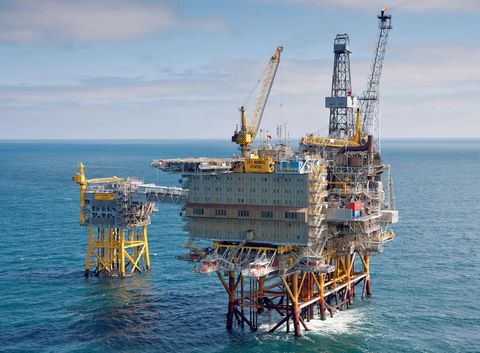
Offshore platform equipment includes drilling rigs, processing units, safety systems, and lifting tools. These components support operations on offshore structures.
How does offshore pipeline equipment manufacturing work?
Offshore pipeline equipment manufacturing involves designing and producing systems that transport oil and gas from offshore sites to onshore facilities. These pipelines are built to withstand pressure and corrosion.
Conclusion
Offshore equipment manufacturing is a complex field that supports energy production, marine operations, and infrastructure development. It includes a wide range of systems, from offshore drilling equipment manufacturing to subsea equipment manufacturing and marine technologies. Recent developments have focused on automation, digital monitoring, and sustainable energy applications. Regulations and tools continue to shape how offshore machinery manufacturers design and maintain equipment. Overall, this sector plays a significant role in connecting ocean-based resources with global needs.