Explore PCB Routing Machines: A Beginner’s Guide to Precision Circuit Board Manufacturing
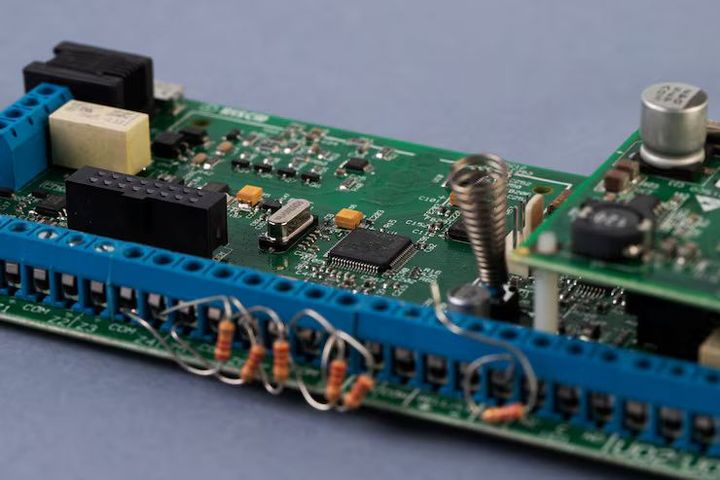
Printed circuit boards, often called PCBs, are the foundation of many electronic products used in daily life. Phones, computers, vehicles, medical instruments, and industrial controllers all depend on these boards.
PCB routing machine manufacturers create equipment that separates finished boards from larger production panels after assembly.
PCB routing machines remove each board from the panel using cutting tools or other separation methods. This step is known as depaneling. It helps preserve the shape of the board and reduces the risk of damage to electronic components.
Automatic PCB routing machines are designed to carry out this task with controlled motion and repeatable accuracy. They are part of a wider group of PCB fabrication equipment used in electronics production.
How PCB Routing Developed
Early electronics production often relied on manual cutting methods. These methods were workable for smaller volumes but created a greater chance of uneven edges or component stress.
As circuit designs became more compact and complex, manufacturers needed more precise ways to separate boards. CNC PCB routing systems emerged to provide computer-controlled cutting paths and better consistency.
Later, laser PCB depaneling machines were introduced for certain applications where minimal mechanical contact was useful. These developments expanded the range of tools available for PCB production.
Common Equipment in PCB Depaneling
PCB manufacturing environments may use several types of equipment depending on the board design, production volume, and material type.
Typical categories include:
- Router-based depaneling systems.
- Laser depaneling units.
- V-groove separation tools.
- Vision-guided alignment systems.
- Material handling conveyors.
- Inspection and quality control stations.
PCB cutting machine suppliers often provide equipment within one of these categories or as part of a larger production line.
Importance
Why PCB Routing Matters
Electronic boards must be separated accurately to maintain function and structural integrity. Even small physical errors can affect the performance of the final product.
Industrial PCB depaneling equipment helps manufacturers achieve cleaner board separation and reduce damage during production. This contributes to product reliability across consumer and industrial electronics.
Role in Everyday Technology
Most people use products that depend on PCB manufacturing. These include mobile devices, routers, gaming systems, household appliances, and transportation electronics.
PCB routing supports the final preparation of these products before packaging and distribution. Without precise separation, some components could be stressed or misaligned.
Impact on Manufacturing Efficiency
Modern electronics production often involves very large numbers of boards. Factories need consistent methods to separate them without slowing output.
Automatic PCB routing machines help by carrying out repetitive cutting tasks with limited manual intervention. This allows workers to focus on oversight, inspection, and quality control.
Importance for Miniaturized Devices
As consumer electronics become smaller, the space on each board becomes more limited. Routing systems must operate with high precision to avoid damage to delicate traces and components.
CNC PCB routing systems are especially relevant in these environments because they allow exact movement along programmed paths. This precision helps support compact and complex board designs.
Industrial and Commercial Applications
PCB fabrication equipment is used in many sectors, including:
- Consumer electronics.
- Automotive systems.
- Medical devices.
- Telecommunications equipment.
- Industrial automation.
- Energy and power systems.
These sectors depend on reliable circuit board assembly and separation processes.
Major Types of PCB Routing Machines
CNC PCB Routing Systems
CNC PCB routing systems use programmed digital instructions to guide cutting paths. The CNC approach improves accuracy and repeatability across multiple boards.
These systems are common in facilities where consistency and traceability are important. They can process board panels with different shapes and sizes.
Laser PCB Depaneling Machines
Laser PCB depaneling machines use focused light energy rather than rotating blades. This method may be useful for certain boards that require minimal physical contact.
Laser systems are often selected when board materials or component placement make mechanical cutting less suitable. They are especially useful for delicate assemblies.
Mechanical Routing Units
Mechanical routing remains widely used because it is adaptable and familiar in electronics manufacturing. These machines use high-speed cutting tools to separate boards along programmed paths.
Mechanical systems are often found in general production environments where many different board types are processed.
Integrated Production-Line Equipment
Some factories use depaneling equipment as part of larger automated lines. These systems may include loading, routing, inspection, and unloading stages.
Turnkey PCB manufacturing solutions frequently combine these functions into a coordinated workflow. Such arrangements help organize production across multiple stages.
Comparison of PCB Routing Technologies
| Equipment Type | Main Function | Typical Application |
|---|---|---|
| CNC router | Programmed board separation | General PCB production |
| Laser depaneling unit | Non-contact cutting | Sensitive board assemblies |
| Manual routing station | Operator-guided cutting | Smaller production runs |
| Inline routing system | Continuous workflow | Large electronics facilities |
| Vision-guided router | Alignment and precision | Complex board layouts |
Recent Updates
Growth of Industry 4.0 PCB Production Technologies
Between 2024 and 2026, Industry 4.0 PCB production technologies have become more important in electronics manufacturing. These technologies connect routing equipment with data networks, control systems, and monitoring platforms.
Manufacturers use digital information to track performance, detect irregularities, and manage production more effectively. This improves visibility across the plant floor.
Increased Use of Automation
Automatic PCB routing machines are now more common in facilities that process large board volumes. Automation helps reduce manual handling and supports consistent output.
Sensors and software can monitor machine conditions and help operators identify maintenance needs. This reduces unexpected interruptions in many production settings.
Improved Precision and Quality Control
The electronics industry continues to reduce board size while increasing functionality. This has encouraged improvements in routing accuracy and inspection systems.
Modern industrial PCB depaneling equipment often includes better alignment tools and quality verification features. These developments support stable production of compact electronics.
Flexible Manufacturing Systems
Manufacturers increasingly need equipment that can handle different board designs. Modern PCB cutting machine suppliers often provide systems that allow quick adaptation to product changes.
This flexibility is useful in industries where product lines change frequently or production volumes vary.
Digital Data Tracking
Current production lines often collect data about cutting speed, alignment, and tool wear. This information helps teams understand how equipment performs over time.
Such data can be shared with other systems used in PCB fabrication equipment management.
Laws or Policies
Workplace Safety Requirements
PCB routing operations involve moving parts, cutting tools, and electrical equipment. Safety regulations in many countries require protective guards, emergency stops, and operator training.
These measures help reduce the risk of injury during operation and maintenance.
Environmental Expectations
Electronic manufacturing generates waste materials that must be managed carefully. Regulations often address dust control, material disposal, and recycling practices.
Laser PCB depaneling machines and mechanical systems may both operate within environmental frameworks related to emissions and waste handling.
Electrical and Machinery Standards
PCB production equipment typically follows technical standards related to electrical safety, machine design, and industrial operation. These standards help establish consistent manufacturing practices.
PCB routing machine manufacturers often design their equipment to align with recognized engineering requirements.
Product Quality and Traceability
Electronics manufacturers may need to document production processes for quality assurance and regulatory reasons. This is especially true in industries such as automotive, aerospace, and medical devices.
Turnkey PCB manufacturing solutions may include recordkeeping tools that support traceability.
Tools and Resources
Design and Layout Software
Electronic design software is important for PCB production planning. It helps engineers prepare board layouts, cutting paths, and panel arrangements before manufacturing begins.
These digital tools support collaboration between design and production teams.
Manufacturing Monitoring Platforms
Many plants use software that tracks production activity, machine status, and maintenance schedules. This type of platform helps coordinate routing equipment with other manufacturing steps.
It is common in facilities using Industry 4.0 PCB production technologies.
Engineering Standards Organizations
Technical standards organizations publish guidelines related to electronics manufacturing, machine safety, and process control. These resources help maintain consistent industrial practices.
They are often used by engineers, plant managers, and quality teams.
Quality Inspection Systems
Inspection tools may include cameras, sensors, and measurement devices that verify the quality of routed boards. These systems help identify defects or alignment issues.
They are especially useful in high-volume production environments.
Training and Documentation
Operator manuals, technical drawings, and maintenance records remain important resources in PCB fabrication environments. They help teams understand machine operation and care requirements.
Good documentation supports continuity across production shifts and facility changes.
FAQs
What do PCB routing machine manufacturers produce?
PCB routing machine manufacturers develop equipment that separates individual circuit boards from larger panels using mechanical or laser-based cutting methods.
How do automatic PCB routing machines work?
Automatic PCB routing machines use programmed motion, sensors, and cutting tools to separate boards with consistent accuracy and minimal manual intervention.
What is industrial PCB depaneling equipment used for?
Industrial PCB depaneling equipment is used to remove completed circuit boards from production panels after assembly while helping reduce physical stress on components.
How are laser PCB depaneling machines different from mechanical routers?
Laser PCB depaneling machines use focused light energy for cutting, while mechanical routers use rotating tools. Laser systems may be preferred for some delicate board types.
What role do Industry 4.0 PCB production technologies play?
Industry 4.0 PCB production technologies connect machines with digital monitoring systems so factories can track performance, manage data, and improve production visibility.
Conclusion
PCB routing machines are an important part of electronics manufacturing. They help separate finished circuit boards accurately and support the production of devices used across many sectors. Automatic PCB routing machines, CNC PCB routing systems, and laser PCB depaneling machines each serve different needs within modern production environments. Ongoing advances in Industry 4.0 PCB production technologies continue to shape how factories manage speed, precision, and quality.