Exploring Antique Jewelry: Facts, Details, and Key Information to Understand and Appreciate
Antique jewelry refers to ornaments and decorative items that were created many decades or even centuries ago. These pieces often reflect the artistic styles, cultural values, and craftsmanship techniques of the time in which they were made. Exploring antique jewelry helps people understand how jewelry design evolved across different historical periods.
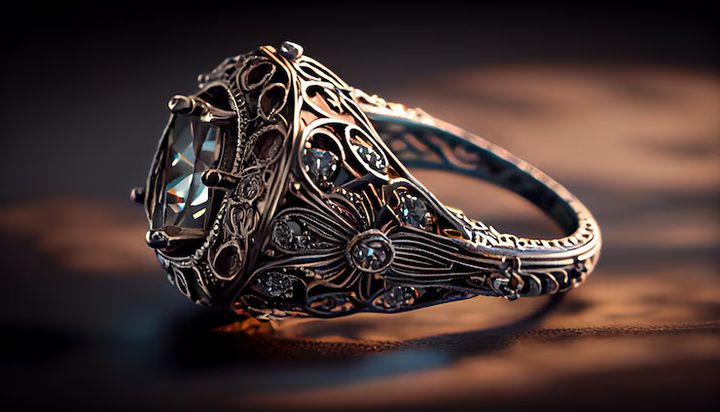
Many antique jewelry pieces were crafted using traditional techniques such as hand engraving, filigree work, and gemstone setting methods that are less common in modern manufacturing. These items may include rings, necklaces, brooches, bracelets, and earrings created during historical design movements such as Victorian, Edwardian, and Art Deco.
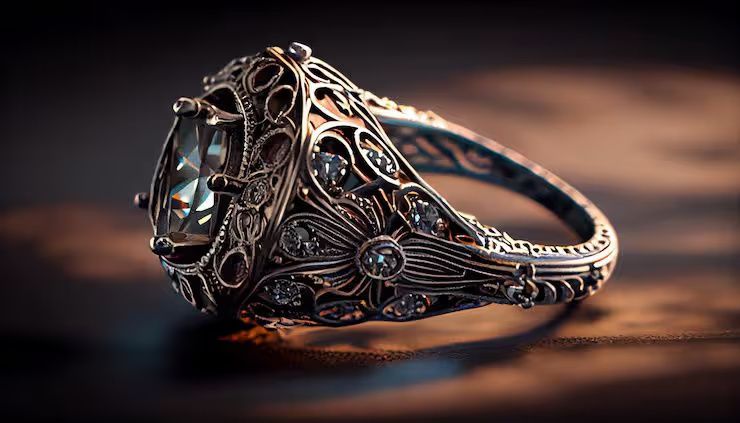
Learning facts and details about antique jewelry allows individuals to better understand the materials, symbols, and design influences that shaped jewelry traditions across various cultures. Knowledge about antique jewelry also helps readers identify distinguishing characteristics that separate antique items from modern reproductions.
Historical Origins of Antique Jewelry
Jewelry has existed for thousands of years, with early examples appearing in ancient civilizations such as Egypt, Greece, and Rome. Over time, jewelry styles changed to reflect social customs, technological advancements, and artistic movements.
Several historical eras played a major role in shaping antique jewelry design:
- Victorian era (1837–1901): jewelry often included symbolic motifs such as hearts, flowers, and serpents
- Edwardian era (1901–1915): delicate designs featuring platinum and intricate lace-like patterns
- Art Deco period (1920s–1930s): geometric shapes, bold lines, and contrasting gemstones
- Art Nouveau movement (1890–1910): flowing lines inspired by nature, insects, and botanical forms
Understanding these design periods helps people recognize the visual features and historical influences associated with antique jewelry.
Importance
Antique jewelry remains significant today because it provides insight into cultural history, artistic expression, and traditional craftsmanship. Each piece reflects the materials and techniques available during its time of creation.
For historians and collectors, antique jewelry serves as a form of historical documentation. Engravings, gemstone arrangements, and metalwork styles can reveal information about the social customs and aesthetic preferences of earlier generations.
Antique jewelry also influences modern jewelry design. Contemporary designers often study older techniques and design patterns to understand traditional craftsmanship. This helps preserve knowledge about historical jewelry-making methods.
Cultural and Educational Value
Antique jewelry contributes to cultural education in several ways:
- It illustrates how symbolism was used in personal adornment
- It reflects changing fashion trends across different centuries
- It demonstrates historical metalworking and gemstone cutting techniques
- It provides insight into trade routes that influenced gemstone availability
For example, certain gemstones became popular during specific periods because of trade connections between regions. Understanding these patterns helps explain why particular materials appear frequently in antique jewelry pieces.
Distinguishing Antique Jewelry from Vintage and Modern Pieces
The terms antique and vintage are sometimes used interchangeably, but they refer to different age categories. Recognizing these distinctions helps clarify discussions about historical jewelry.
| Category | Typical Age Range | Characteristics |
|---|---|---|
| Antique jewelry | Usually over 100 years old | Reflects historical design movements and older craftsmanship methods |
| Vintage jewelry | Often 20–100 years old | Represents styles from more recent decades |
| Contemporary jewelry | Recently created | Uses modern production techniques and materials |
Understanding these categories helps readers interpret descriptions and historical references related to antique jewelry.
Recent Updates
Interest in antique jewelry has grown in recent years due to increased awareness of historical craftsmanship and cultural heritage. Educational institutions, museums, and digital archives have expanded efforts to document and study historical jewelry collections.
Several current developments are shaping how people explore antique jewelry:
- Digital museum collections now allow global audiences to study antique jewelry through online catalogs
- Restoration and preservation research has improved methods for maintaining delicate metalwork and gemstones
- Academic publications have expanded research on jewelry symbolism and historical design movements
- Online educational platforms provide courses and lectures on antique jewelry identification and history
Social media and visual archives have also contributed to wider public interest. Many museums and cultural organizations share images and historical descriptions of antique jewelry pieces to support educational outreach.
Another trend involves interdisciplinary research combining archaeology, art history, and material science. These studies analyze the composition of metals and gemstones to better understand historical manufacturing techniques.
Laws or Policies
Antique jewelry is often influenced by cultural heritage regulations and historical preservation policies. These rules help protect historically significant objects and ensure that artifacts connected to cultural heritage are documented properly.
Many countries regulate the export and movement of antiques, including jewelry items that may have historical importance. Cultural heritage protection laws may require documentation before antique objects can be transported across national borders.
In some regions, museums and heritage institutions maintain registries of historically significant artifacts. These records help researchers track the provenance and historical context of antique jewelry pieces.
Policies related to hallmarking and metal standards also play a role in identifying antique jewelry. Hallmarks are small stamped marks on precious metal items that indicate the metal type, origin, or maker. Understanding these marks can help researchers determine the approximate age and origin of a piece.
Cultural Heritage Protection
Government policies often focus on preserving historical artifacts, including antique jewelry, through measures such as:
- museum conservation programs that maintain historical jewelry collections
- heritage documentation systems that record the origin and design details of artifacts
- export regulations designed to prevent the loss of culturally significant objects
- research grants that support academic studies on historical craftsmanship
These policies help ensure that antique jewelry remains available for educational and historical study.
Tools and Resources
Various educational tools and research platforms help individuals explore antique jewelry history and identification methods. These resources are commonly used by historians, students, and enthusiasts interested in jewelry history.
Online Databases and Museum Collections
Several museums maintain digital archives where visitors can view detailed photographs and historical descriptions of antique jewelry pieces. These databases often include information about the materials, design styles, and historical periods associated with each item.
Examples of widely referenced museum platforms include:
- The British Museum digital collections
- The Metropolitan Museum of Art online collection database
- Victoria and Albert Museum jewelry archives
These platforms provide educational resources for studying jewelry history and craftsmanship techniques.
Identification Guides and Research Materials
Books and reference guides on antique jewelry often explain design features and hallmark identification. Common research tools include:
- jewelry hallmark reference charts used to identify metal marks
- gemstone identification manuals explaining historical cutting styles
- historical design guides covering major jewelry periods
- academic journals focusing on decorative arts and material culture
Students and researchers frequently use these materials to analyze antique jewelry features and understand historical manufacturing processes.
FAQs
What is antique jewelry?
Antique jewelry refers to jewelry items generally considered to be more than one hundred years old. These pieces often reflect historical design movements, traditional craftsmanship techniques, and materials commonly used during earlier time periods.
How can someone recognize antique jewelry characteristics?
Recognizing antique jewelry often involves examining several factors, including metalwork style, gemstone cutting methods, design motifs, and hallmarks. Features such as hand engraving, filigree patterns, and older gemstone cuts may indicate historical craftsmanship.
Why is exploring antique jewelry important for understanding history?
Exploring antique jewelry helps illustrate how artistic styles, cultural traditions, and craftsmanship techniques developed across different historical periods. Jewelry pieces can provide insight into fashion trends, symbolism, and trade connections between regions.
What materials commonly appear in antique jewelry?
Common materials used in antique jewelry include gold, silver, platinum, pearls, diamonds, and colored gemstones. Earlier jewelry pieces sometimes feature gemstone cuts that differ from modern techniques, reflecting historical lapidary practices.
Where can people study antique jewelry facts and details?
Educational resources such as museum collections, historical archives, and academic publications provide detailed information about antique jewelry. Online museum databases often include photographs and research notes explaining the historical background of each piece.
Conclusion
Exploring antique jewelry provides valuable insight into historical craftsmanship, cultural symbolism, and artistic design movements. These jewelry pieces reflect the materials and techniques used during different periods of history. Understanding facts, details, and key information about antique jewelry helps readers recognize historical influences in jewelry design. Through museum collections, research publications, and educational resources, antique jewelry continues to contribute to the study of decorative arts and cultural heritage.