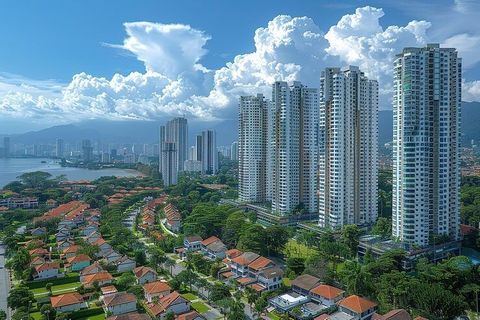
Exploring Dubai’s Finest Hotels: Affordable and Luxury Options to Consider
Dubai is one of the world’s best-known urban tourism destinations, combining modern architecture, beaches, shopping districts, cultural attractions, entertainment venues, and business centers. Its hotel landscape has developed alongside the city’s rapid growth as an international destination.
Dubai hotels range from practical accommodation in well-connected neighborhoods to luxury resorts with extensive facilities. This variety allows travelers to choose accommodation based on location, travel purpose, preferred facilities, and available budget.
The main hotel categories commonly considered by travelers include:
- Budget and economy hotels
- Mid-range hotels
- Four-star hotels
- Five-star luxury hotels
- Beachfront resorts
- Business hotels
- Family-oriented accommodation
- Boutique and heritage-style hotels
Location is one of the most important factors when exploring hotels in Dubai. Areas such as Downtown Dubai, Dubai Marina, Palm Jumeirah, Deira, Bur Dubai, Jumeirah, and Dubai Creek provide different experiences.
Downtown is convenient for travelers interested in major landmarks and central attractions. Dubai Marina and Palm Jumeirah are popular for waterfront surroundings. Deira and Bur Dubai provide access to older parts of the city, traditional markets, and cultural locations.
Why Dubai Hotel Choices Matter Today
Choosing suitable accommodation is about more than selecting a room. The location can influence travel time, access to public transportation, proximity to attractions, and the overall structure of a trip.
For business travelers, hotels close to commercial districts and transport connections can make daily movement easier. Families may prefer properties with larger rooms, swimming pools, dining facilities, and convenient access to attractions.
Luxury hotels in Dubai are often associated with distinctive architecture, waterfront locations, wellness facilities, fine dining, and personalized guest experiences. At the same time, affordable hotels can be practical for travelers who intend to spend more time exploring the city than inside the accommodation.
A useful way to compare options is to consider the following factors:
- Location and transportation access
- Room size and occupancy limits
- Included facilities
- Breakfast and dining arrangements
- Swimming pool and recreation areas
- Accessibility features
- Check-in and check-out policies
- Cancellation conditions
- Taxes and applicable tourism charges
- Reviews and recent guest feedback
The best hotel is therefore not necessarily the most expensive or the cheapest. It is the option that matches the traveler’s needs, itinerary, and expectations.
Dubai Hotel Categories at a Glance
| Hotel Category | Common Features | Suitable For |
|---|---|---|
| Economy | Essential accommodation and convenient locations | Short city stays |
| Mid-range | More facilities and room choices | Families and leisure travelers |
| Four-star | Expanded amenities and central locations | Business and leisure trips |
| Five-star | Luxury facilities and premium surroundings | Luxury travel |
| Beach Resort | Waterfront setting and recreation | Relaxation-focused trips |
| Boutique | Distinctive design and smaller scale | Travelers seeking character |
These categories are general descriptions rather than a replacement for Dubai’s official hotel classification system.
Recent Dubai Hotel and Tourism Updates
Dubai’s hospitality market has continued to expand as international tourism has increased.
In January 2026, Dubai’s Department of Economy and Tourism reported that the city welcomed 19.59 million international overnight visitors during 2025, representing a 5% increase compared with 2024.
Hotel performance also remained strong during 2025. Dubai reported an average hotel occupancy rate of 80.7%, compared with 78.2% in 2024. The average length of stay was reported at 3.7 nights.
Earlier in 2025, Dubai recorded 9.88 million international overnight visitors during January to June, a 6% increase from the same period in 2024.
Sustainability has also become a more visible part of Dubai’s hospitality landscape. In February 2025, the Dubai Sustainable Tourism Stamp recognized 153 hotels that met the relevant sustainability requirements. The program uses Gold, Silver, and Bronze levels to recognize different degrees of sustainability performance.
In June 2026, Dubai announced the hotels recognized during the third cycle of the Sustainable Tourism Stamp program for 2025, showing continued attention to environmental practices within the hospitality sector.
These developments indicate that Dubai’s hotel market is being shaped not only by tourism growth but also by sustainability, technology, location planning, and changing traveler expectations.
Hotel Regulations and Policies in Dubai
Hotels in Dubai operate within a regulated tourism framework. The Dubai Department of Economy and Tourism requires hotels to complete official classification procedures before operating. Hotel establishments must also maintain their classification and update relevant property information when required.
Hotel classification helps travelers understand the general standard and category of an accommodation property. It also establishes requirements related to facilities and operational standards.
Another important policy is the Tourism Dirham. This charge applies to qualifying hotel room nights according to Dubai’s applicable regulations and hotel classification. The rules specify how it is calculated and collected during eligible stays.
Travelers should therefore review the final booking information carefully to understand which taxes and tourism charges apply to their stay.
Dubai also regulates holiday homes separately. Holiday-home accommodation follows its own classification and regulatory framework, meaning travelers should distinguish between officially classified hotels and licensed holiday-home properties.
Regulatory requirements can change, so travelers should check current information from official Dubai tourism authorities when planning a stay.
Tools and Resources for Choosing Dubai Hotels
Several simple tools can make hotel research easier without relying on complicated planning methods.
Hotel comparison worksheet: Create a table containing location, room type, facilities, transport access, guest ratings, cancellation terms, and applicable charges.
Map and transportation planner: Use a digital map to estimate travel distances between the hotel, airport, business districts, beaches, shopping areas, and attractions.
Trip budget calculator: Enter accommodation expenses, transportation, dining, attractions, and other planned travel expenses to create a realistic overall budget.
Hotel classification information: Check the official classification of a property when the category or rating is important to your decision.
Accessibility checklist: Travelers with mobility, hearing, vision, or other accessibility requirements can prepare a checklist covering elevators, room access, bathrooms, parking, and public areas.
Travel itinerary template: Group attractions by geographic area to reduce unnecessary travel between distant parts of Dubai.
Sustainability information: Travelers interested in environmentally responsible accommodation can review sustainability information and relevant recognition programs.
These resources help turn a large number of hotel choices into a smaller and more practical shortlist.
Practical Tips for Exploring Dubai Hotels
Start with the purpose of the trip. A family holiday, business visit, beach vacation, cultural trip, and short city break can require very different accommodation.
Next, identify the most important locations on the itinerary. A hotel near the main attractions may be useful for sightseeing, while accommodation near a business district can be more practical for professional travel.
Room requirements should also be checked carefully. Travelers should confirm the maximum occupancy, bed configuration, room size, and availability of facilities that matter to them.
Transportation is another major consideration. Dubai has an extensive road and public transportation network, but distances between districts can still affect daily travel time.
Seasonality should also be considered. Dubai experiences different levels of visitor activity throughout the year, and major events, holidays, conferences, and school vacation periods can influence hotel availability and rates.
Finally, compare the complete booking terms rather than focusing on a single advertised figure. Check applicable taxes, Tourism Dirham charges, cancellation rules, room inclusions, and other conditions before confirming a reservation.
Frequently Asked Questions About Dubai Hotels
What types of hotels are available in Dubai?
Dubai has economy, mid-range, four-star, five-star, luxury resort, beachfront, boutique, business, and family-oriented accommodation. The right category depends on location, facilities, travel purpose, and personal preferences.
Which areas are popular for hotels in Dubai?
Downtown Dubai, Dubai Marina, Palm Jumeirah, Jumeirah, Deira, Bur Dubai, and Dubai Creek are among the well-known areas. Each has different surroundings, attractions, transportation options, and accommodation styles.
Are Dubai hotels officially classified?
Yes. Hotels in Dubai must undergo official classification procedures under the emirate’s tourism framework. Classification helps establish the category and required standards of hotel establishments.
What is the Tourism Dirham?
The Tourism Dirham is a regulated charge applied to eligible hotel room nights in Dubai. The applicable amount depends on the hotel’s classification and the rules governing the stay.
How can travelers compare affordable and luxury hotels?
Travelers can compare location, hotel classification, room type, facilities, transportation access, guest reviews, cancellation conditions, and applicable taxes or tourism charges. This provides a more balanced comparison than looking at price alone.
Conclusion
Dubai’s hotel landscape reflects the city’s position as a major international tourism destination. Travelers can choose from affordable accommodation, mid-range properties, luxury hotels, beachfront resorts, boutique properties, and other categories.