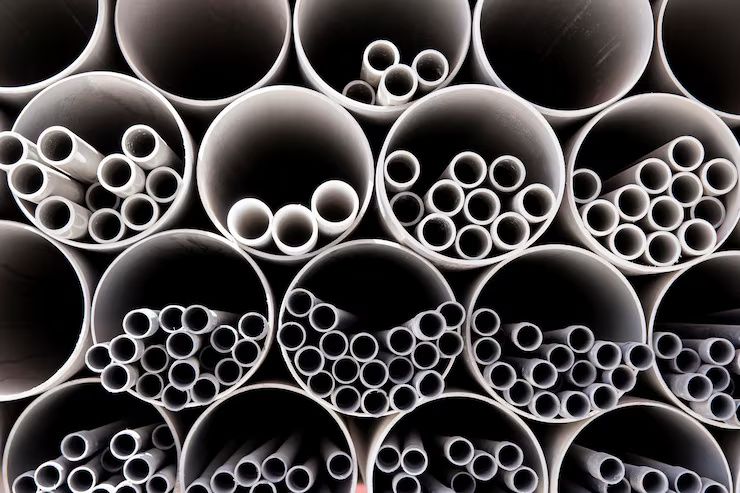
Steel pipes are widely used in construction, infrastructure, manufacturing, water systems, and energy projects. They exist because many applications require materials that are strong, dependable, and capable of handling pressure, heat, or environmental exposure. Whether used for transporting fluids, supporting structural frameworks, or creating mechanical components, steel pipes offer durability and versatility. Their selection involves understanding different grades, thicknesses, coatings, and manufacturing methods to ensure they fit project needs.
Choosing the correct steel pipe is not always straightforward. Differences in material composition, corrosion resistance, diameter, and manufacturing standards all influence performance. Because steel pipes are used in essential systems, selecting the wrong type can lead to safety issues, inefficiency, or early replacement. Therefore, understanding the basics behind steel pipe selection helps ensure safer and more reliable designs.
Importance
The topic matters today because steel pipes remain central to modern infrastructure and industrial operations. They affect engineers, builders, facility managers, water authorities, and professionals who work with mechanical systems. Steel pipes solve key problems such as:
-
Ensuring safe transport of water, gas, and other fluids
-
Maintaining structural support in buildings and bridges
-
Providing long-lasting mechanical parts for industrial machines
-
Reducing failure risks in high-pressure environments
-
Improving resilience in areas exposed to weather, chemicals, or heat
Industries increasingly depend on materials that support sustainability and long-term durability. Steel continues to be preferred thanks to its recyclability and strength. Understanding how to select the right pipe helps support infrastructure resilience and public safety.
Recent Updates
Several developments over the past year have influenced steel pipe selection. These updates reflect changes in manufacturing, sustainability goals, and global standards.
In 2024, many construction and infrastructure projects began placing greater emphasis on low-emission steel production. This shift is driven by environmental targets and new reporting requirements introduced by various governments. Manufacturers have responded by introducing pipes made from recycled or lower-carbon steel, encouraging wider adoption in 2024–2025.
A noticeable trend during 2024 was the rise in digital quality-tracking tools used during production. These systems improve consistency in wall thickness, welding integrity, and corrosion-resistant coatings. For industries requiring high accuracy, such as energy and water transport, these tools support more reliable selection.
Another update from early 2025 involves expanded global interest in using stainless steel pipes in drinking water networks due to concerns around corrosion and contamination. Reports published in 2024 highlighted the need for safer long-term water infrastructure, strengthening demand for corrosion-resistant materials.
Overall, recent improvements in sustainability, digital monitoring, and corrosion-control methods continue to influence which steel pipes are preferred for modern projects.
Laws or Policies
Steel pipe selection is shaped by technical standards, safety regulations, and environmental policies within many countries. These guidelines help ensure that pipes meet required levels of performance and public safety.
Common regulations affecting steel pipes include:
-
Structural and Building Codes: These specify load-bearing requirements, seismic considerations, and acceptable materials for construction.
-
Water Safety Standards: Drinking water systems must use materials that prevent contamination. Stainless steel or coated carbon steel is often required.
-
Pressure and Temperature Codes: Industrial systems must follow rules governing high-pressure vessels and pipelines, including testing and certification.
-
Environmental Policies: Many countries require documentation of material sources and encourage low-emission steel production.
-
Quality Certification Programs: These programs ensure that pipes are manufactured according to recognized international standards.
These rules help ensure that steel pipes used in critical systems are durable, safe, and traceable.
Tools and Resources
Choosing the right steel pipe can be easier when aided by tools and reference materials. These resources help compare specifications, evaluate performance, and check compliance.
-
Online Pipe Size Calculators: Useful for determining required diameter, flow rate capacity, and thickness.
-
Material Specification Databases: Platforms that list steel grades and mechanical properties for structural or industrial use.
-
Engineering Handbooks: Provide tables for allowable stress, corrosion resistance, and pressure ratings.
-
National and International Standard Publications: These include technical requirements for welded, seamless, and coated pipes.
-
Design Software: Programs used by engineers to simulate pressure, temperature, and load conditions.
-
Corrosion-Resistance Guides: Help select materials for environments exposed to chemicals, moisture, or high heat.
These tools support more informed decision-making and help ensure consistent performance across different projects.
Table: Common Types of Steel Pipes and Typical Applications
| Type of Steel Pipe | Key Features | Typical Uses |
|---|---|---|
| Carbon Steel Pipe | High strength, cost-effective, suitable for high pressure | Structural frameworks, industrial systems |
| Stainless Steel Pipe | Corrosion-resistant, durable, suitable for water and chemicals | Drinking water, food processing |
| Galvanized Steel Pipe | Zinc-coated for rust protection | Outdoor structures, drainage |
| Alloy Steel Pipe | Enhanced heat and pressure resistance | Power plants, high-temperature systems |
| Seamless Steel Pipe | No welds, consistent strength | High-pressure or precision applications |
FAQs
What is the difference between welded and seamless steel pipes?
Welded pipes are made by joining steel plates or coils, while seamless pipes are formed without welding. Seamless pipes provide uniform strength and are often used in high-pressure environments, while welded pipes are suitable for general structural and transport applications.
Why is corrosion resistance important when selecting a steel pipe?
Corrosion reduces strength, affects fluid quality, and shortens pipe lifespan. Selecting materials with adequate corrosion resistance ensures safer long-term performance, especially in environments exposed to moisture, chemicals, or salt.
How does pipe thickness affect performance?
Thicker walls improve pressure resistance and durability. The required thickness depends on expected pressure levels, temperature, and environmental exposure. Engineers consult standards to determine appropriate thickness for each application.
Are steel pipes recyclable?
Yes, steel is one of the most recyclable materials. Many pipes today include recycled content, supporting sustainability goals and reducing waste.
Which factors should be considered when choosing a steel pipe for a project?
Key considerations include material grade, diameter, corrosion resistance, pressure rating, temperature limits, manufacturing method, and compliance with relevant standards.
Conclusion
Selecting the right steel pipe involves understanding material properties, environmental conditions, and compliance requirements. Recent advances in sustainability, corrosion-resistant materials, and digital manufacturing tools have improved reliability and performance. By using credible resources, following technical standards, and evaluating project needs carefully, professionals can choose steel pipes that support safety, resilience, and long-term functionality.
This balanced approach helps ensure that steel pipes continue to serve as dependable components in infrastructure, construction, and industrial systems around the world.