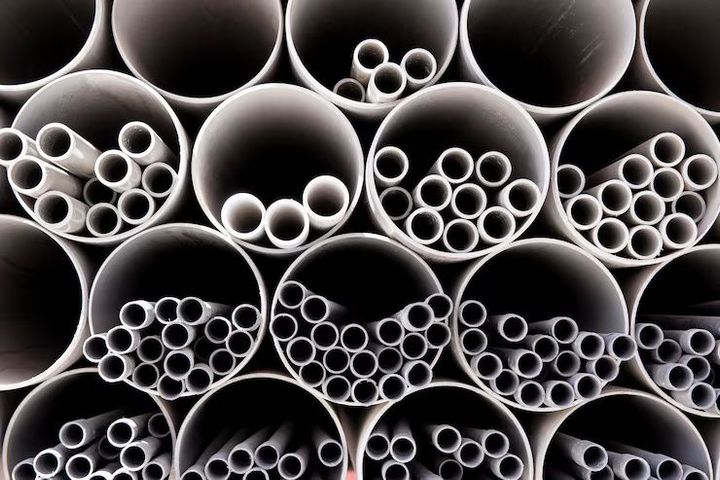
Exploring Important Tips for Selecting the Right Steel Pipe
Steel pipes are widely used in construction, infrastructure, manufacturing, water systems, and energy projects. They exist because many applications require materials that are strong, dependable, and capable of handling pressure, heat, or environmental exposure. Whether used for transporting fluids, supporting structural frameworks, or creating mechanical components, steel pipes offer durability and versatility. Their selection involves understanding different grades, thicknesses, coatings, and manufacturing methods to ensure they fit project needs.
Steel pipes are widely used in infrastructure, construction, and industrial systems due to their strength and durability. However, selecting the correct pipe requires understanding factors such as material composition, corrosion resistance, diameter, and manufacturing standards.
Choosing the right type of steel pipe is essential to ensure safety, efficiency, and long-term performance in critical applications like water supply, gas transport, and structural systems.
Importance of Steel Pipe Selection
Steel pipes play a vital role in modern infrastructure and industrial operations. Their performance directly affects safety, reliability, and system efficiency.
They are relevant to engineers, builders, and facility managers across multiple sectors.
Key Reasons for Importance
- Ensure safe transport of water, gas, and fluids
- Provide structural support in buildings and bridges
- Improve durability in harsh environments
- Reduce risks in high-pressure systems
- Support long-term infrastructure resilience
- Contribute to sustainability through recyclability
Understanding proper selection helps prevent failures and extend system lifespan.
Recent Updates in Steel Pipe Selection (2024–2025)
Recent developments show how sustainability and technology are influencing pipe selection.
Low-Emission Steel Production
Manufacturers are producing pipes using recycled and lower-carbon steel. This supports environmental goals and regulatory requirements.
Digital Quality Tracking
Advanced monitoring tools improve consistency in thickness, welding quality, and coating performance. This enhances reliability.
Increased Use of Stainless Steel in Water Systems
There is growing demand for corrosion-resistant materials in drinking water networks to improve safety and durability.
Improved Corrosion Control Methods
New coatings and materials extend pipe lifespan in environments exposed to chemicals, moisture, or heat.
Types of Steel Pipes and Applications
Different types of steel pipes are used depending on specific requirements.
| Type of Steel Pipe | Key Features | Typical Uses |
|---|---|---|
| Carbon Steel Pipe | High strength, cost-effective | Structural frameworks, industrial use |
| Stainless Steel Pipe | Corrosion-resistant, durable | Drinking water, food processing |
| Galvanized Steel Pipe | Zinc-coated for rust protection | Outdoor structures, drainage |
| Alloy Steel Pipe | Heat and pressure resistant | Power plants, high-temperature systems |
| Seamless Steel Pipe | No welds, uniform strength | High-pressure applications |
Laws and Policies
Steel pipe selection is influenced by regulations that ensure safety, quality, and environmental compliance.
Structural and Building Codes
These codes define load-bearing requirements and material standards for construction projects.
Water Safety Standards
Pipes used in drinking water systems must prevent contamination and meet strict safety guidelines.
Pressure and Temperature Regulations
Industrial pipelines must comply with standards for high-pressure and high-temperature conditions.
Environmental Policies
Governments promote low-emission steel production and require documentation of material sources.
Quality Certification Programs
Pipes must meet international standards to ensure durability, traceability, and performance.
Tools and Resources
Various tools help professionals select the right steel pipe for specific applications.
Engineering and Design Tools
- Pipe size and flow rate calculators
- Pressure and thickness evaluation tools
- Design simulation software
Material and Specification Resources
- Steel grade databases
- Engineering handbooks
- Corrosion resistance guides
Standards and Compliance Resources
- National and international standards publications
- Certification guidelines
- Technical documentation platforms
These tools support accurate decision-making and improve system performance.
Frequently Asked Questions
What is the difference between welded and seamless pipes?
Welded pipes are made by joining steel plates, while seamless pipes are formed without welding and offer more uniform strength.
Why is corrosion resistance important?
Corrosion can weaken pipes, affect fluid quality, and reduce lifespan. Selecting resistant materials improves safety.
How does pipe thickness affect performance?
Thicker pipes provide better pressure resistance and durability, depending on operating conditions.
Are steel pipes recyclable?
Yes. Steel is highly recyclable and supports sustainable construction practices.
What factors should be considered when selecting a steel pipe?
Key factors include material grade, diameter, pressure rating, corrosion resistance, and compliance with standards.
Conclusion
Steel pipes are essential components in infrastructure and industrial systems. Proper selection ensures safety, efficiency, and long-term performance.
With advancements in sustainability, corrosion resistance, and digital quality monitoring, steel pipe technology continues to improve. Understanding these aspects helps professionals make informed and reliable decisions for modern engineering projects.