Exploring Microscopy: Facts, Details, and Key Information to Learn and Appreciate
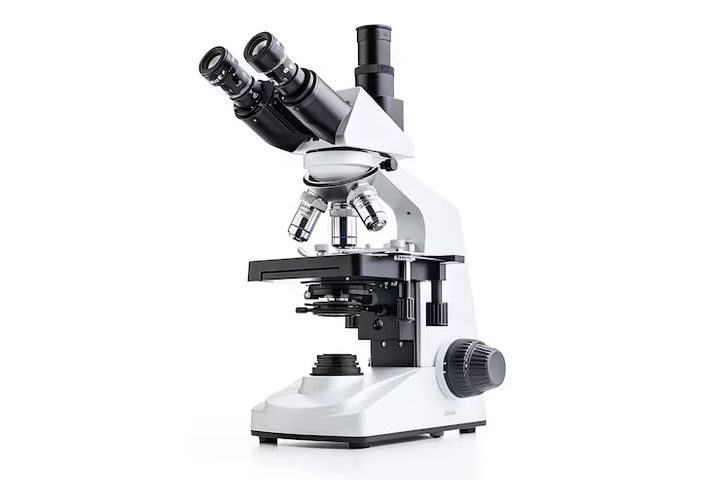
Microscopy is the study and use of instruments designed to observe objects that are too small to be seen with the unaided human eye. These instruments, known as microscopes, allow scientists and learners to explore structures at the cellular, molecular, and even atomic level. By magnifying tiny objects, microscopy provides visual access to details that shape many scientific discoveries.
The development of microscopy began several centuries ago when early optical devices were created to magnify small objects. Over time, improvements in lenses, lighting, and imaging technology expanded the capability of microscopes. These advancements allowed researchers to observe bacteria, plant cells, blood cells, and microscopic materials that form the foundation of modern biological and physical sciences.
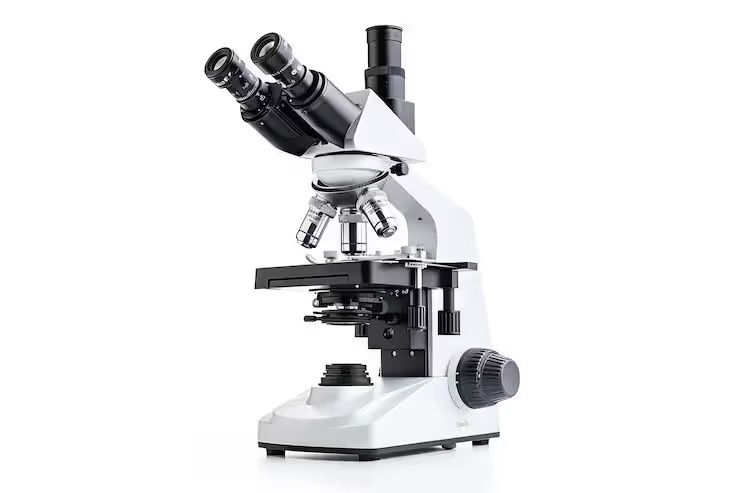
Microscopy exists because many natural processes occur at scales smaller than what human vision can detect. Cells, microorganisms, and fine material structures influence health, ecosystems, and technology. Microscopes provide a way to investigate these hidden layers of reality.
Today, microscopy is used in many fields including biology, medicine, chemistry, materials science, and environmental research. Educational institutions also use microscopes to help students understand fundamental scientific principles by directly observing microscopic structures.
Importance
Microscopy plays an important role in understanding the structure and behavior of living organisms and materials. By examining microscopic components, researchers can study how diseases develop, how materials respond to stress, and how biological systems function at a cellular level.
In medicine, microscopy helps scientists analyze blood samples, identify microorganisms, and examine tissue samples. These observations help improve understanding of infections, genetic conditions, and cellular changes related to health.
Environmental studies also rely on microscopy to observe microorganisms in soil and water. These tiny organisms influence nutrient cycles, water quality, and ecological balance. Observing them provides valuable information about environmental conditions.
Microscopy also contributes to the study of materials used in engineering and manufacturing. By examining metals, polymers, and other substances under magnification, researchers can detect structural features such as cracks, grain patterns, and surface textures.
Some everyday areas influenced by microscopy include:
- Medical diagnostics: Observing blood cells, bacteria, and tissue samples under magnification
- Biological education: Helping students understand cells, microorganisms, and biological structures
- Food science: Examining microbial activity and food structure
- Environmental monitoring: Identifying microscopic organisms in water and soil samples
- Materials research: Investigating structural details in metals, plastics, and ceramics
Through these applications, microscopy helps improve knowledge about biological systems, environmental conditions, and the physical properties of materials.
Recent Updates
Between 2024 and 2026, developments in microscopy have focused on improving imaging clarity, automation, and digital analysis. Advances in optics, sensors, and computational tools have expanded how researchers capture and interpret microscopic information.
One area of progress involves digital microscopy systems that combine traditional optics with high-resolution cameras and computer analysis. These systems allow images to be stored, shared, and analyzed using specialized software. Researchers can examine samples more efficiently and compare images across different experiments.
Another trend involves automated microscopy platforms that scan slides or sample surfaces automatically. Automation reduces manual adjustments and allows researchers to examine larger numbers of samples within shorter periods.
Artificial intelligence tools are also being integrated with microscopy imaging. These tools assist with identifying cell patterns, counting microorganisms, and detecting structural features in materials. Automated image recognition helps researchers analyze large image datasets more quickly.
Portable microscopy devices have also received attention in recent years. Compact microscopes designed for field research allow scientists to observe samples directly at environmental sites rather than transporting them to distant laboratories.
These developments highlight a broader trend toward digital integration and data analysis in microscopy, helping researchers extract more information from microscopic images.
Laws or Policies
Microscopy itself is not typically regulated as a scientific method, but certain policies influence how microscopes and microscopic research are used. Regulations often focus on laboratory safety, biological sample handling, and research ethics.
In many countries, laboratories must follow biosafety guidelines when handling microorganisms or biological materials. These rules ensure that potentially harmful organisms are contained and studied safely. Proper laboratory practices include controlled environments, protective equipment, and standardized procedures.
Research involving human tissue samples or medical data must follow ethical guidelines established by health authorities. These guidelines ensure that biological materials are studied responsibly and that privacy and consent requirements are respected.
Educational institutions and research laboratories also follow equipment safety standards for optical instruments, lasers, and electron microscopes. These standards help prevent accidents and ensure that equipment operates within safe parameters.
Government-supported scientific programs may also encourage microscopy research by funding laboratories, universities, and technology development initiatives. Such programs aim to strengthen scientific knowledge and support innovation in medical and environmental research.
Tools and Resources
Several tools and resources help researchers, students, and educators explore microscopy more effectively. These tools assist with image capture, analysis, learning, and research collaboration.
Common tools used alongside microscopes include:
- Digital imaging software: Programs that capture and analyze microscopic images, allowing measurement of structures and comparison of samples
- Image analysis platforms: Software designed to detect patterns, count cells, or analyze microscopic textures
- Online microscopy libraries: Collections of microscopic images that support learning and scientific reference
- Educational microscopy simulators: Interactive tools that demonstrate how microscopes work and how samples appear under magnification
- Scientific databases: Platforms that store research papers and microscopy findings related to biological and material studies
Below is a simplified overview of common microscope types and their general capabilities.
| Microscope Type | Magnification Range | Typical Applications |
|---|---|---|
| Light Microscope | Up to about 1,000× | Cells, microorganisms, classroom learning |
| Electron Microscope | Up to several million × | Viruses, molecular structures, advanced research |
| Stereo Microscope | Lower magnification | Surface observation of insects, plants, small objects |
| Digital Microscope | Variable magnification | Image capture, digital analysis, documentation |
These tools and resources support both educational exploration and professional scientific investigation.
FAQs
What is microscopy and why is it important?
Microscopy is the use of specialized instruments to observe objects that cannot be seen with the naked eye. It is important because it allows scientists to study cells, microorganisms, and material structures that influence biology, medicine, and environmental science.
What are some key facts about microscopy?
Important facts about microscopy include the use of magnification and illumination to reveal tiny structures. Modern microscopes combine optical lenses, digital imaging, and computer analysis to capture detailed information about microscopic objects.
What types of microscopes are commonly used?
Common microscope types include light microscopes, electron microscopes, stereo microscopes, and digital microscopes. Each type provides different levels of magnification and is suited for specific scientific observations.
How does microscopy help scientists learn new information?
Microscopy helps scientists examine structures that are too small to observe directly. By studying microscopic details, researchers can understand how cells function, how microorganisms behave, and how materials are structured.
What details can microscopy reveal about cells?
Microscopy can reveal cellular components such as the nucleus, cell membrane, and internal structures. These observations help researchers understand how cells grow, divide, and interact with their environment.
Conclusion
Microscopy provides a window into structures that are far smaller than human vision can detect. By magnifying tiny objects, it helps researchers study cells, microorganisms, and materials in detail. Advances in digital imaging, automation, and computational analysis continue to expand how microscopic information is observed and interpreted. Through education, research, and technological development, microscopy remains an essential tool for exploring the hidden structures that shape the natural world.