Reusable coffee cups are designed as sustainable alternatives to single-use disposable cups, which are a major contributor to global plastic and paper waste. These cups are typically made from durable materials such as stainless steel, glass, or high-quality plastics that can withstand repeated use.
The rise in popularity of reusable coffee cups is closely tied to growing consumer awareness of environmental issues. Every year, billions of disposable cups end up in landfills or as litter. Reusable options were created to reduce waste, save resources, and promote eco-friendly consumer habits.
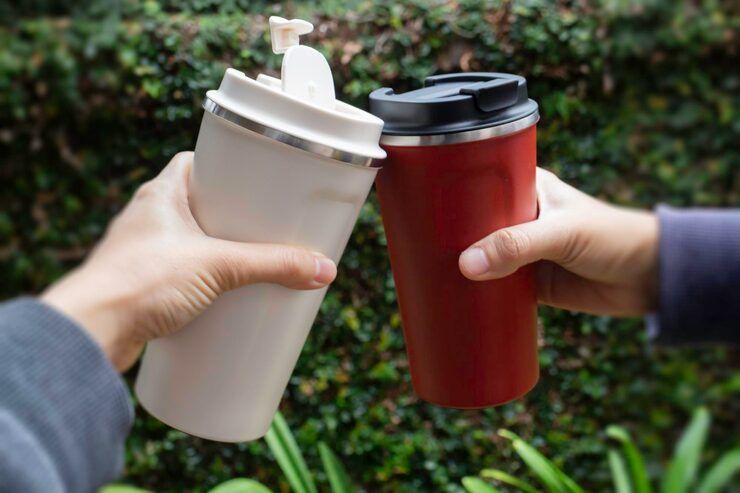
Importance of reusable coffee cups today
Reusable coffee cups matter for both environmental and social reasons:
-
Waste reduction – They help cut down on the billions of disposable cups discarded annually.
-
Conservation of resources – Lower demand for paper and plastic reduces deforestation and fossil fuel use.
-
Cost savings for consumers – Many cafes provide small discounts for customers who bring their own cups.
-
Cultural shift – Promotes sustainable living and raises awareness about daily environmental choices.
-
Health benefits – Stainless steel or glass cups avoid exposure to certain chemicals found in disposable plastics.
The widespread use of reusable cups is a practical step toward reducing environmental impact while supporting sustainable lifestyles.
Recent updates and trends in reusable coffee cups
The past year has seen notable changes in the reusable coffee cup market:
-
Increased adoption in urban areas (2023–2024): Cities worldwide are encouraging businesses to reduce single-use plastics, leading to more reusable cup usage.
-
Smart cups and technology: Some brands have integrated tracking systems to monitor usage and environmental impact.
-
Circular economy initiatives: Businesses are launching cup return schemes, where customers can borrow and return reusable cups at participating outlets.
-
Material innovation: New cups made from bamboo fibers, recycled plastics, and biodegradable components are gaining popularity.
-
Corporate responsibility: Major coffee chains have expanded support for reusable cup programs after pausing them during the COVID-19 pandemic.
These trends highlight how reusable cups are becoming part of broader sustainability strategies.
Laws and policies supporting reusable coffee cups
Government policies and regulations are playing a growing role in reducing disposable cup usage:
-
Plastic bans: Many countries and cities have implemented bans or restrictions on single-use plastics, indirectly encouraging reusable alternatives.
-
Extended producer responsibility (EPR): Regulations require businesses to take responsibility for packaging waste, promoting reusable systems.
-
Waste reduction targets: The European Union and several U.S. states set ambitious waste reduction goals that include reducing disposable cup use.
-
Public awareness campaigns: Governments sponsor initiatives educating consumers on the benefits of reusable products.
-
Retail incentives: Some regions encourage coffee shops to provide discounts or rewards for customers using reusable cups.
Policies demonstrate how regulation, education, and incentives can work together to shift consumer behavior.
Tools and resources for learning more
Several resources are available for individuals and organizations interested in reusable coffee cups:
-
Carbon footprint calculators – Help estimate emissions saved by using reusable cups instead of disposable ones.
-
Sustainability guides – Offer practical advice on eco-friendly consumer choices.
-
Educational platforms – Provide information on waste reduction and sustainable living.
-
Research journals – Cover studies on plastic waste, recycling, and consumer behavior.
-
Community initiatives – Local programs that promote reusable cup exchanges and awareness campaigns.
These tools allow both individuals and businesses to track their impact and make informed choices.
Frequently asked questions
How many times do you need to use a reusable coffee cup to make it sustainable?
On average, a reusable cup becomes more eco-friendly than disposables after 20–30 uses, depending on the material.
What materials are best for reusable coffee cups?
Stainless steel and glass are durable and safe, while bamboo and recycled plastics offer lightweight, eco-friendly options.
Can reusable coffee cups be recycled at the end of their life?
Yes, many are recyclable, though this depends on the material and local recycling facilities.
Do coffee shops accept reusable cups?
Most large chains and independent cafes welcome them, with some even offering discounts or reward points.
Are reusable cups safe for hot drinks?
Yes, they are designed to handle hot liquids, often with insulated layers to maintain temperature and prevent burns.
Conclusion
Reusable coffee cups are a small but meaningful innovation in the effort to reduce waste and support sustainable living. By cutting down on billions of disposable cups discarded every year, they contribute to cleaner environments, reduced resource consumption, and cultural awareness of eco-friendly habits.
With strong consumer demand, government policies, and technological innovation, reusable coffee cups are becoming a common part of everyday life. For individuals, adopting them is a simple yet powerful choice that supports a more sustainable future.