Exploring Water Filters: Facts, Details, and Key Information to Understand Better
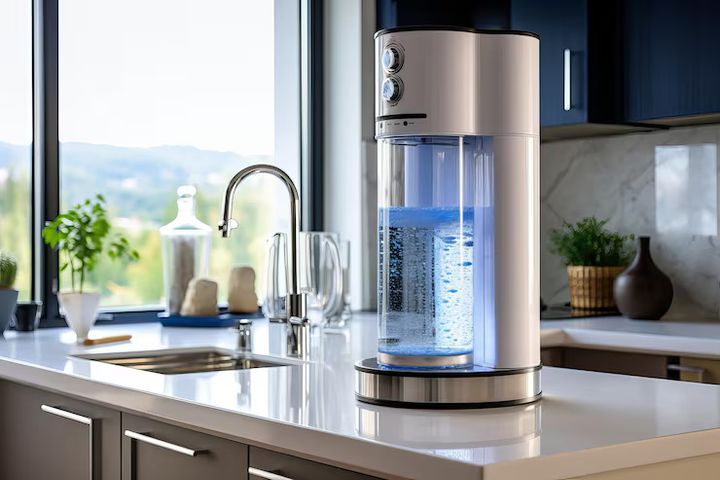
Water filters are devices designed to improve the quality of water by reducing unwanted particles, chemicals, or microorganisms. These systems work through physical barriers, chemical processes, or biological mechanisms that help separate impurities from water. The concept of filtering water has existed for centuries, evolving from simple cloth filtration to modern systems used in homes, institutions, and community facilities.
Exploring water filters helps people understand how water purification methods have developed and how different filtration technologies function. As access to safe drinking water continues to be an important global topic, many households and communities use water filtration systems to manage concerns related to taste, odor, and visible sediment.
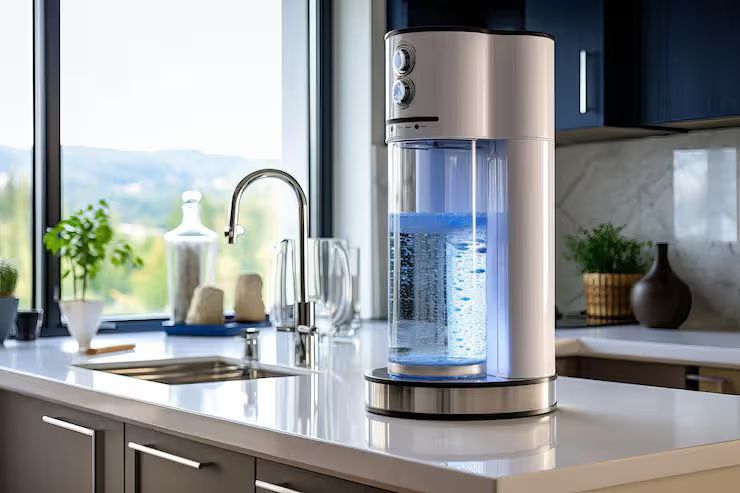
Different types of water filters operate using distinct processes. Some rely on activated carbon to reduce certain chemical substances, while others use membrane filtration techniques that allow water molecules to pass through while blocking larger contaminants. Learning the facts and details about these systems helps readers better understand how filtered water systems function in everyday settings.
Importance
Clean drinking water plays a critical role in daily life. Exploring water filters and their key information can help people understand how filtration methods contribute to water quality management in homes, schools, workplaces, and public facilities.
Water sources may contain various substances, including sediments, minerals, organic matter, and microorganisms. While municipal treatment plants process water before distribution, additional filtration methods may be used at the household level to address taste, odor, or visible particles.
Understanding water filtration systems matters because different filtration technologies address different types of impurities. For example:
- Activated carbon filtration: commonly used to reduce chlorine, certain chemicals, and unpleasant taste or odor.
- Reverse osmosis filtration: uses a semi-permeable membrane to separate dissolved substances from water.
- Ultraviolet treatment: uses light energy to reduce microorganisms.
- Sediment filtration: helps capture sand, rust particles, and other visible debris.
These systems can be found in various environments, including residential kitchens, laboratories, educational facilities, and industrial settings. Knowing the details about water filters helps individuals understand how filtration technologies operate and how they relate to everyday water consumption.
Recent Updates
Recent developments in water filtration technology from 2024–2026 show a gradual shift toward improved efficiency and monitoring capabilities. Many filtration systems now incorporate digital indicators that track filter usage and notify users when replacement may be needed.
Another emerging trend involves multi-stage filtration systems. These systems combine several filtration techniques within a single unit, such as sediment filtration followed by carbon filtration and membrane filtration. This layered approach aims to address different categories of impurities through sequential treatment stages.
Advances in materials science have also contributed to new filtration media. Researchers continue exploring advanced membranes, nanomaterials, and composite filters designed to enhance durability and filtration performance.
Environmental considerations are also influencing the design of modern water filters. Manufacturers and researchers are exploring recyclable filter materials and longer-lasting filter components to reduce waste associated with disposable cartridges.
In addition, portable water filtration devices have gained attention for travel, outdoor activities, and emergency preparedness. These compact filtration tools are designed to provide temporary filtration in situations where conventional water systems are unavailable.
Laws or Policies
Water filtration and water quality standards are influenced by national regulations and public health policies. Governments and regulatory agencies establish guidelines that define acceptable limits for substances in drinking water.
In the United States, the Environmental Protection Agency sets national drinking water standards through regulations under the Safe Drinking Water Act. These standards establish limits for contaminants that may affect public health.
In India, water quality regulation is guided by agencies such as the Bureau of Indian Standards, which publishes drinking water specifications. Public water systems are also monitored through programs implemented by the Ministry of Jal Shakti.
These regulatory frameworks generally focus on:
- Maximum contaminant limits: defining safe thresholds for chemicals or microorganisms in drinking water.
- Water testing procedures: outlining how water samples should be analyzed.
- Infrastructure guidelines: providing standards for water treatment facilities and distribution systems.
Household water filters typically function as an additional step after municipal water treatment rather than replacing public water purification systems. Understanding regulatory standards helps explain how water filtration technologies fit within broader water safety frameworks.
Tools and Resources
People interested in exploring water filters often rely on various informational tools and resources that help explain water quality and filtration methods.
Several organizations and digital platforms provide educational materials, data, and testing information related to water filtration.
Helpful resources include:
- Water quality databases: platforms that publish public reports about local water quality conditions.
- Filtration comparison guides: educational materials explaining differences between filtration technologies.
- Water testing kits: laboratory-based or household tools used to analyze specific characteristics of water samples.
- Online water quality tools: informational tools that help users understand regional water quality data.
Examples of widely referenced information sources include:
- World Health Organization – publishes global drinking water quality guidelines.
- Centers for Disease Control and Prevention – provides educational information on water safety and sanitation.
- Water Quality Association – offers resources related to water treatment technologies.
These tools provide general educational insights rather than professional evaluation. They help readers better understand the scientific and regulatory aspects of water filtration systems.
Common Water Filtration Methods
| Filtration Method | Main Function | Typical Application |
|---|---|---|
| Activated Carbon | Reduces chlorine, taste, and odor | Household filters |
| Reverse Osmosis | Removes dissolved solids through membrane filtration | Drinking water systems |
| Ultraviolet Treatment | Reduces microorganisms using UV light | Laboratory or residential units |
| Sediment Filtration | Captures visible particles such as sand or rust | Pre-filtration systems |
| Ceramic Filtration | Uses porous ceramic materials to trap particles | Portable or gravity filters |
This table illustrates how different water filtration approaches address different categories of substances.
FAQs
What are water filters and how do they work?
Water filters are devices that improve water quality by separating certain particles, chemicals, or microorganisms. They typically work through physical barriers, chemical absorption, or membrane filtration processes that allow water to pass through while reducing unwanted substances.
What types of water filters are commonly used?
Common types include activated carbon filters, reverse osmosis systems, ultraviolet purification units, sediment filters, and ceramic filters. Each filtration method focuses on different categories of substances that may be present in water.
Why do households explore water filters?
Many households explore water filters to better understand how filtration systems influence taste, odor, or visible sediment in drinking water. Filtration devices may also be used as an additional step after municipal water treatment.
What is the difference between water filtration and water purification?
Water filtration generally refers to removing particles or certain chemicals through physical or chemical processes. Water purification is a broader concept that may include filtration along with other treatment methods such as ultraviolet treatment or chemical disinfection.
Are water filters regulated by government standards?
Water filters themselves may be tested or certified by independent organizations, while water quality standards are defined by national regulatory agencies. These agencies set guidelines for acceptable contaminant levels in drinking water.
Conclusion
Exploring water filters provides useful insight into how filtration technologies help improve water quality in various environments. Different filtration methods use physical, chemical, or biological processes to reduce specific categories of impurities. Regulations and water quality standards established by public agencies also play an important role in shaping water safety practices. Understanding the facts, details, and key information about water filtration helps readers recognize how these systems fit into broader water management efforts.