Famous Waterfalls Overview: Natural Wonders Around the World
Famous waterfalls are large and visually striking natural features formed where rivers or streams flow over steep drops in the landscape. They exist because of long-term geological processes such as erosion, tectonic movement, and variations in rock hardness. Over thousands of years, flowing water gradually shapes cliffs and escarpments, creating waterfalls that can vary greatly in height, width, and water volume.
Across continents, waterfalls are recognized for their scale, beauty, and environmental significance. Many are located within protected areas, river systems, and mountainous regions, making them important for both scientific study and conservation.
These natural features help explain how freshwater systems behave across different climates and terrains.
Importance: Why Famous Waterfalls Matter Today
Environmental and Scientific Value
Waterfalls play a role in ecosystems by supporting biodiversity and influencing river flow patterns. They are also useful for studying erosion, hydrology, and climate behavior.
Who It Affects
This topic is relevant for:
- Environmental researchers
- Conservation authorities
- Students and educators
- Policy planners focused on water resources
Broader Impact
Waterfalls also:
- Support freshwater awareness
- Indicate climate and rainfall changes
- Contribute to local communities and economies
Understanding waterfalls helps connect natural science with environmental responsibility.
Types of Waterfalls and Formation Patterns
Common Waterfall Types
Waterfalls are categorized based on how water flows over terrain:
- Plunge waterfalls with vertical drops
- Horsetail waterfalls where water flows along rock
- Tiered waterfalls with multiple steps
- Block waterfalls with wide, heavy flow
Waterfall Types Overview
| Waterfall Type | Flow Pattern | Geological Feature |
|---|---|---|
| Plunge | Vertical drop | Resistant rock layers |
| Horsetail | Sloping descent | Gradual erosion |
| Tiered | Multiple levels | Stepped terrain |
| Block | Wide curtain flow | Broad river channel |
These formations explain the diversity seen in waterfalls worldwide.
Famous Waterfalls Around the World
Notable Examples
Several waterfalls are globally recognized for unique characteristics:
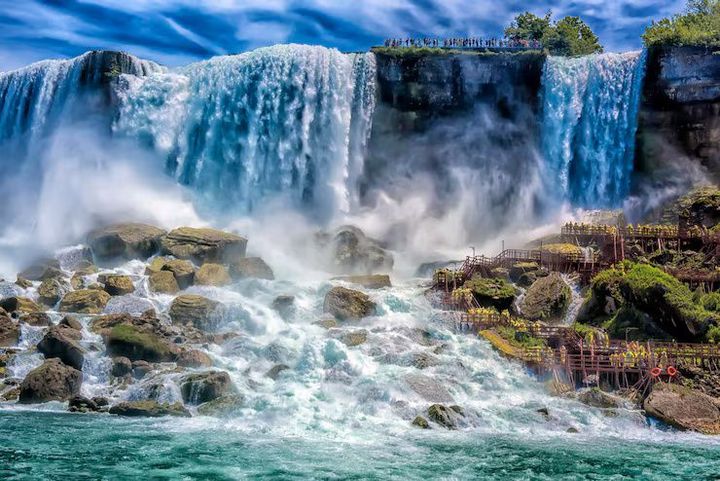
- Niagara Falls: Known for high water flow
- Iguazu Falls: Features multiple cascades
- Victoria Falls: Famous for wide spread and mist
- Angel Falls: Noted for extreme height
Comparative Overview
| Waterfall | Region | Notable Feature |
|---|---|---|
| Niagara Falls | North America | High flow rate |
| Iguazu Falls | South America | Wide cascade system |
| Victoria Falls | Africa | Seasonal mist |
| Angel Falls | South America | Exceptional height |
This comparison highlights how geography influences waterfall characteristics.
Recent Updates: Environmental and Tourism Trends
Water Flow Monitoring (2024)
Environmental studies have observed changes in water flow linked to rainfall variability and climate patterns.
Digital Mapping and Observation
Satellite tools and digital maps are increasingly used to monitor erosion, vegetation, and water levels.
Visitor Management (2025)
Protected areas have introduced guidelines to reduce environmental impact and manage tourism sustainably.
Educational Outreach
Waterfalls are being used as case studies in climate and geography education through digital platforms.
These updates show growing attention to conservation and research.
Laws and Policies
Environmental Protection
Many waterfalls are protected under:
- National park regulations
- Environmental protection laws
- Biodiversity conservation programs
Water Resource Management
Policies regulate:
- Water diversion and usage
- Land development near waterfalls
- Cross-border river management agreements
These laws help preserve natural flow and surrounding ecosystems.
Tools and Resources
Educational and Research Tools
- Interactive global maps of waterfalls
- Hydrology data platforms
- Climate visualization tools
- Educational documentaries
Learning Tools Overview
| Tool Type | Use Case |
|---|---|
| Digital Maps | Compare locations and scale |
| River Data Charts | Analyze water flow |
| Climate Graphs | Study rainfall patterns |
These tools help users understand waterfalls within larger environmental systems.
FAQs
How are waterfalls formed?
They form through erosion where softer rock wears away faster than harder rock, creating a drop.
Do waterfalls change over time?
Yes, erosion can alter their shape and position over long periods.
Why do waterfalls have seasonal changes?
Rainfall, snowmelt, and upstream water levels affect flow volume.
Are waterfalls protected by law?
Many are protected under environmental and conservation laws.
Can waterfalls indicate climate change?
Yes, variations in flow can reflect broader environmental and climate trends.
Conclusion
Famous waterfalls are natural features shaped by geological processes and water flow over time. They play an important role in environmental systems, education, and conservation.
Recent trends highlight increased focus on monitoring, sustainability, and climate awareness. Policies and tools continue to support protection and research.
Understanding waterfalls helps connect natural processes with responsible resource management, ensuring these landscapes remain preserved for future generations.