Fancy Colored Diamonds Overview: Pink Blue Yellow Meaning Value and Insights
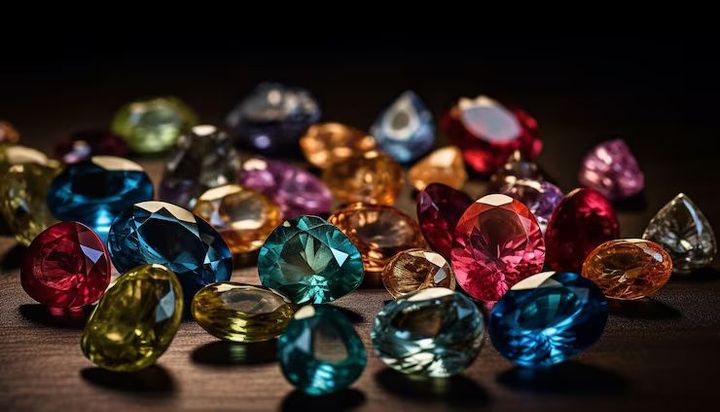
Fancy colored diamonds are natural or treated diamonds that display visible hues beyond the traditional colorless range. Unlike white diamonds, which are graded based on the absence of color, fancy diamonds are valued for the intensity and uniqueness of their colors.
Fancy colored diamonds exist due to specific geological conditions. Trace elements or structural irregularities within the diamond crystal cause different colors to appear. These variations make each diamond unique in both appearance and formation.
For example:
- Yellow diamonds get their color from nitrogen atoms
- Blue diamonds form due to boron presence
- Pink diamonds result from crystal lattice distortion
Fancy colored diamonds are categorized based on color tone, hue, and saturation. The Gemological Institute of America (GIA) uses a specialized grading system to evaluate color intensity.
Grading Categories
The grading system includes the following classifications:
- Fancy Light
- Fancy
- Fancy Intense
- Fancy Vivid
- Fancy Deep
Each classification reflects how strong and pure the diamond’s color appears. The higher the intensity, the more valuable the diamond typically becomes.
Common and Rare Colors
Fancy colored diamonds are available in a wide range of colors. Some are more common, while others are extremely rare.
Common colors include:
- Pink
- Blue
- Yellow
- Green
- Orange
- Brown
Rare colors include:
- Red
- Violet
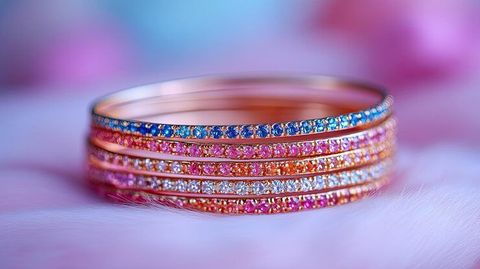
These diamonds are widely used in fine jewelry, collector items, and investment-grade assets due to their rarity and visual appeal.
Why Fancy Colored Diamonds Matter Today
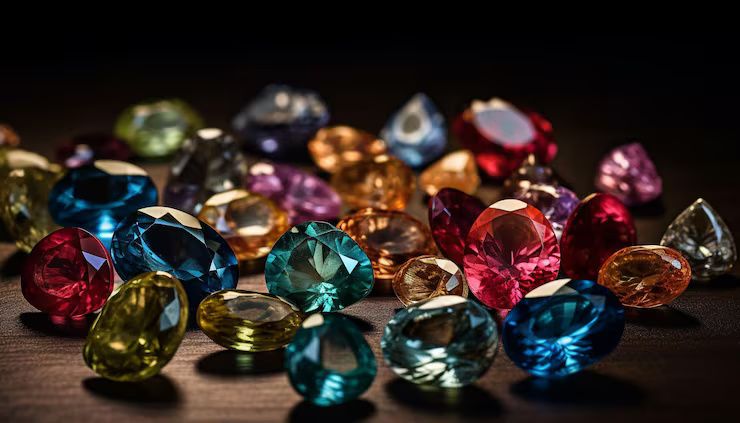
Fancy colored diamonds have gained significant attention due to their rarity and scientific uniqueness. They play an important role across industries such as gemology, luxury design, and alternative investments.
Their growing relevance is driven by several key factors:
- Increasing interest in alternative gemstone investments
- Growing demand for personalized jewelry
- Expansion of global luxury markets
- Technological advancements in diamond identification
These diamonds impact multiple stakeholders, including designers, investors, researchers, and consumers.
Market Impact and Use Cases
Fancy colored diamonds help differentiate products in a competitive jewelry market. As traditional white diamonds become more standardized, colored diamonds offer uniqueness and exclusivity.
They affect:
- Jewelry designers and manufacturers
- Investors exploring tangible assets
- Researchers studying geological formations
- Consumers seeking distinctive pieces
Lab-grown colored diamonds are also emerging as an alternative, increasing accessibility while raising discussions about value and certification.
Recent Developments and Industry Trends
The fancy colored diamond market has seen several developments recently. Changes in supply, technology, and consumer awareness continue to shape the industry.
In 2025, key trends included:
- Continued interest in rare pink and blue diamonds
- Growth of lab-grown colored diamonds
- Advances in color treatment technologies such as HPHT
- Improved transparency in certification and origin tracking
Traceability and Sustainability
Traceability has become increasingly important in the diamond industry. Blockchain-based systems are now used to track diamonds from mining to final sale.
Other important developments include:
- Reduced supply due to mine closures
- Increased focus on ethical sourcing
- Promotion of environmentally responsible mining practices
These changes are shaping how diamonds are sourced, verified, and marketed globally.
Regulations and Policy Considerations
Fancy colored diamonds are governed by international regulations to ensure ethical sourcing and consumer protection. These frameworks help maintain transparency and trust in the industry.
Important standards include:
- Kimberley Process Certification Scheme (KPCS)
- GIA and international grading standards
- Environmental mining regulations
- Import-export policies across countries
Regulations in India
In India, the diamond industry is regulated through specific national bodies and policies.
Key regulations include:
- Bureau of Indian Standards (BIS) guidelines
- Directorate General of Foreign Trade (DGFT) policies
These frameworks aim to prevent the circulation of conflict diamonds and ensure proper disclosure of treated stones.
Tools and Resources for Understanding Colored Diamonds
Understanding fancy colored diamonds requires access to reliable tools and resources. These help evaluate authenticity, grading, and origin.
Useful resources include:
- Diamond grading reports (GIA, IGI)
- Online diamond education platforms
- Gemology reference charts
- Spectroscopy tools
- Digital certification systems
Color Origins and Characteristics
Below is a simplified table showing color origins and their characteristics:
| Color | Cause of Color | Rarity Level | Typical Use Case |
|---|---|---|---|
| Pink | Crystal distortion | Very High | Collector pieces, jewelry |
| Blue | Boron presence | Extremely High | High-value gemstones |
| Yellow | Nitrogen content | Moderate | Jewelry and design pieces |
| Green | Radiation exposure | Rare | Unique custom designs |
Grading Process
The grading process for fancy colored diamonds follows a structured approach:
- Identify the primary hue
- Evaluate saturation level
- Determine tone (light to dark)
- Assign an overall grade
Modern digital tools allow for precise comparison using standardized grading metrics.
Common Questions About Fancy Colored Diamonds
What makes fancy colored diamonds different from white diamonds?
Fancy colored diamonds are valued for their color intensity and uniqueness. In contrast, white diamonds are valued for clarity and lack of color.
Are all colored diamonds natural?
No, some diamonds are lab-grown or treated to enhance color. Certification is essential to determine their origin.
Why are pink and blue diamonds rare?
These colors result from unique geological conditions that occur less frequently compared to those forming yellow diamonds.
How are fancy colored diamonds graded?
They are graded based on hue, tone, and saturation instead of the traditional colorless scale.
Is disclosure of treatments required?
Yes, international standards require full disclosure if a diamond has undergone any treatment .
Additional Insights and Data Overview
Fancy colored diamonds represent a very small portion of all diamonds mined globally. Estimates suggest that less than 0.1% qualify as fancy colored diamonds.
Rarity Distribution
| Category | Approximate Availability |
|---|---|
| White Diamonds | Very Common |
| Yellow Diamonds | Moderately Common |
| Pink Diamonds | Rare |
| Blue Diamonds | Extremely Rare |
Technological Advancements
Recent innovations have improved diamond analysis and grading accuracy. These technologies help distinguish between natural and treated diamonds.
Key advancements include:
- Laser spectroscopy
- AI-based grading systems
- High-resolution imaging
Conclusion
Fancy colored diamonds provide a unique blend of science, rarity, and visual appeal. Their colors originate from rare natural processes or advanced treatments, making them distinct in the gemstone world.
They are increasingly important in jewelry, investment, and research sectors. Trends such as ethical sourcing, technological advancements, and transparency continue to shape the industry.
Understanding these diamonds requires knowledge of their origin, grading, regulations, and market trends. Their rarity and complexity ensure ongoing interest across multiple industries.