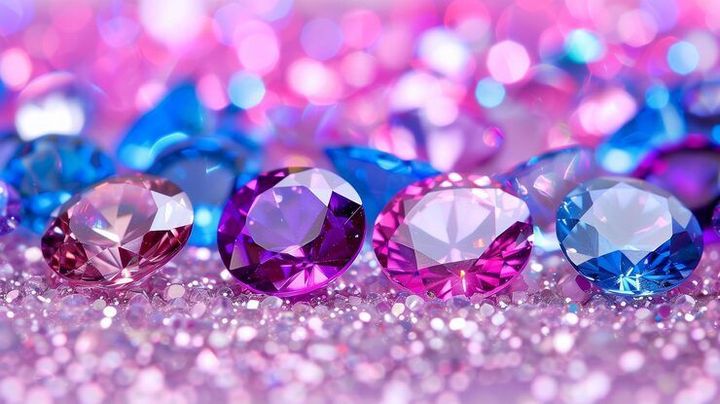
Fancy Colored Diamonds Pink, Blue, Yellow – Explore Stunning Gemstone Details
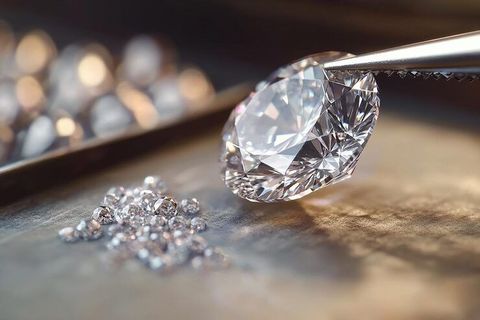
Fancy colored diamonds are naturally occurring diamonds that display a range of vibrant colors such as pink, blue, and yellow. Unlike traditional colorless diamonds, these gems gain their hues through trace elements or structural irregularities within the crystal lattice. For instance, boron causes blue shades, nitrogen results in yellow tones, and structural lattice defects contribute to pink colors.
Fancy colored diamonds are rare gemstones admired for their vivid hues, including pink, blue, and yellow. These colors form naturally over millions of years due to unique geological conditions, making each diamond distinct in appearance and structure.
A small percentage of mined diamonds exhibit such coloration, which contributes to their rarity and value. Notable sources include regions in Australia, South Africa, Russia, and Canada, with the Argyle Mine historically known for producing exceptional pink diamonds.
Why Fancy Colored Diamonds Matter Today
Fancy colored diamonds hold importance beyond their beauty. They are valued in jewelry, investment, and scientific research.
Key Significance
- Scientific Value: Used in gemology and crystallography to study mineral formation
- Jewelry Influence: Shape trends in high-end and custom jewelry design
- Collector Appeal: Rare stones, especially pink and blue, attract global attention
- Market Benchmarking: Serve as indicators of rarity and pricing in gemstone markets
Understanding these diamonds also helps distinguish between natural stones and treated ones, which differ in value and origin.
Recent Trends and Updates in Fancy Colored Diamonds
The market for fancy colored diamonds continues to evolve, with notable developments in demand, discovery, and research.
Key Trends (2025–2026)
- Pink Diamond Demand: Continued dominance in auctions with record-breaking sales
- Blue Diamond Discoveries: New deposits in South Africa influencing supply and pricing
- Yellow Diamond Popularity: Increasing use in engagement and fashion jewelry
- Advanced Research: Improved grading techniques using spectroscopy
These trends reflect both growing consumer interest and advancements in gemological science.
Laws, Regulations, and Policies
The trade of fancy colored diamonds is regulated to ensure ethical sourcing and authenticity.
Key Regulations
- Kimberley Process Certification Scheme: Prevents conflict diamonds from entering global markets
- Import and Export Rules: Countries regulate diamond trade through customs and certification
- Gemological Standards: Organizations like Gemological Institute of America provide grading reports
- Environmental Regulations: Govern mining practices to protect ecosystems
Compliance ensures responsible sourcing and consumer trust.
Tools and Resources for Exploring Fancy Colored Diamonds
Various tools help enthusiasts and professionals evaluate and understand these gemstones.
Key Resources
- Gemological grading reports for certification
- Online diamond databases for research
- Spectrometers and grading tools for color analysis
- Educational platforms for trends and history
- Market tracking tools for price and demand insights
Diamond Characteristics Table
| Diamond Color | Primary Cause | Notable Mines | Market Trend 2026 |
|---|---|---|---|
| Pink | Lattice defects | Argyle (Australia) | High demand, record auctions |
| Blue | Boron trace | Cullinan (South Africa) | Stable, new discoveries |
| Yellow | Nitrogen presence | South Africa, Russia | Rising popularity in jewelry |
Frequently Asked Questions
What makes fancy colored diamonds rare?
Rarity depends on color intensity, size, and natural origin. Pink and blue diamonds are among the rarest.
Can their color be altered?
Yes, treatments like irradiation or HPHT can change color. Natural diamonds are more valuable and certified separately.
Where are they mined?
Major sources include Australia, South Africa, Russia, and Canada.
How are they graded?
Grading is based on hue, tone, and saturation, with certification from recognized gemological labs.
Are yellow diamonds more common?
Yes, but their value still depends on intensity, clarity, and size.
Conclusion
Fancy colored diamonds—especially pink, blue, and yellow—are exceptional natural gems with scientific, cultural, and economic significance. Their rarity and vibrant colors make them highly desirable among collectors, researchers, and jewelry enthusiasts.
By understanding market trends, regulations, and grading tools, individuals can make informed decisions and appreciate the true value of these gemstones. As research and demand continue to grow, fancy colored diamonds remain a fascinating and evolving area of study and admiration.