Fiberglass is a composite material made from extremely fine glass fibers that are woven together and bound with resin. The process of fiberglass manufacturing involves melting silica-based materials at high temperatures, drawing them into thin filaments, and then forming these fibers into fabrics, mats, or reinforced structures.
Fiberglass exists because industries need a material that is strong, lightweight, resistant to corrosion, and cost-effective for a wide range of applications. It is used in automotive bodies, boats, aircraft components, building insulation, water tanks, wind turbine blades, and consumer goods. The combination of versatility and durability has made fiberglass a widely adopted material in manufacturing and construction.
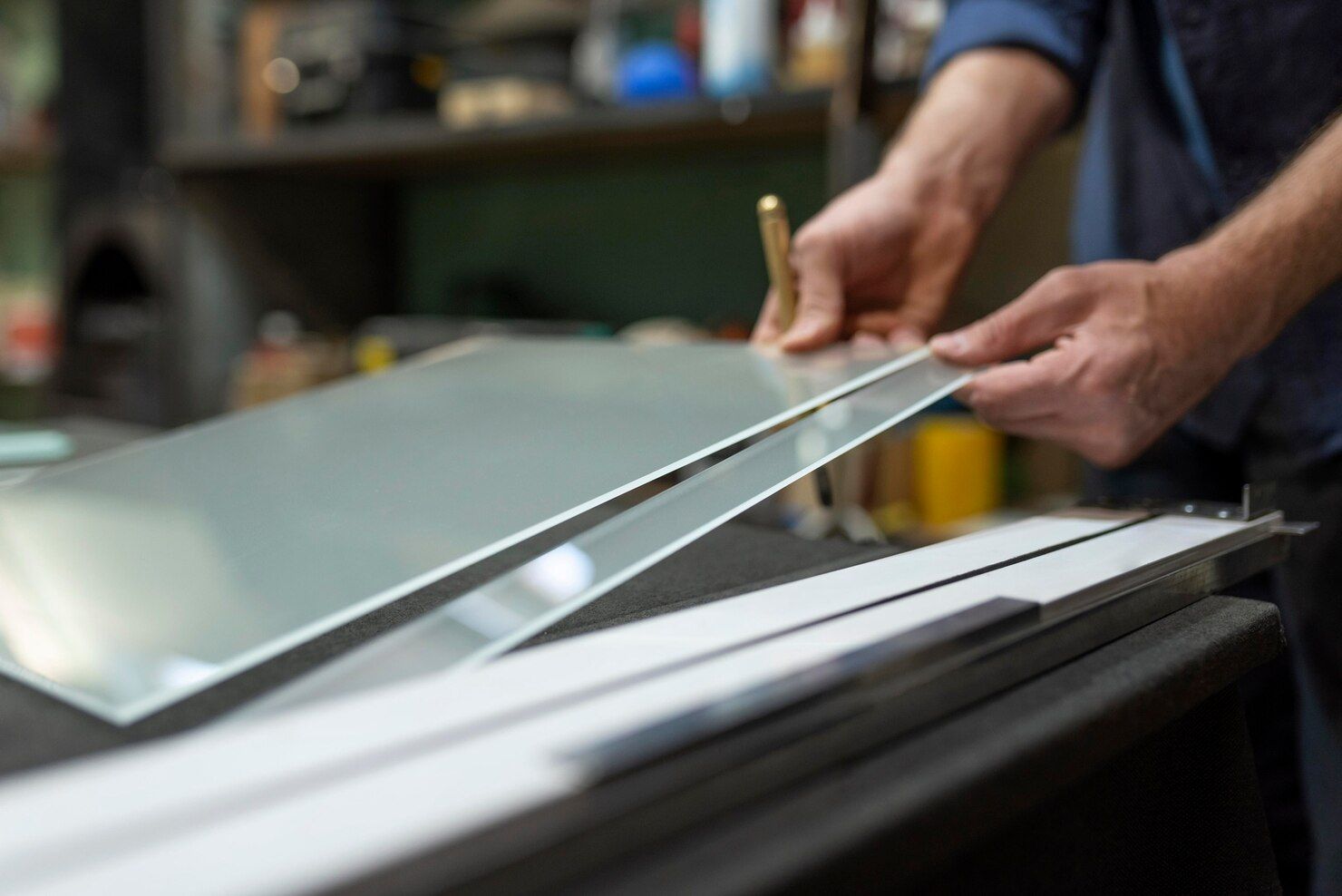
Why Fiberglass Manufacturing Matters Today
Fiberglass manufacturing has global importance due to its performance and sustainability benefits:
-
Lightweight Strength: Offers high tensile strength while remaining lighter than steel or aluminum.
-
Corrosion Resistance: Does not rust or degrade easily, making it ideal for marine and chemical industries.
-
Energy Efficiency: Used in insulation materials to improve building energy performance.
-
Renewable Energy Applications: Key component in wind turbine blades and solar panel reinforcement.
-
Sustainability and Recycling: Advances in recycling technologies are making fiberglass more environmentally responsible.
It addresses modern challenges such as reducing energy consumption, improving transportation efficiency, and supporting renewable energy infrastructure.
Recent Trends and Developments in Fiberglass Manufacturing
The fiberglass industry continues to innovate, with 2024–2025 seeing important developments:
-
High-Performance Composites: Increased use of fiberglass in combination with carbon fiber to enhance strength and durability in aerospace and automotive sectors.
-
Sustainable Production Methods: Manufacturers are adopting greener resin systems, such as bio-based or recyclable resins.
-
Advanced Insulation Materials: New fiberglass insulation products designed to meet stricter building energy codes worldwide.
-
3D Printing with Fiberglass: Emerging use of fiberglass-reinforced filaments in additive manufacturing for stronger, lightweight components.
-
Global Market Growth: According to 2024 reports, the fiberglass composites market is expanding due to renewable energy projects and infrastructure development in Asia and Europe.
Policies, Standards, and Regulations Affecting Fiberglass Manufacturing
Fiberglass manufacturing is influenced by health, safety, and environmental regulations in different countries:
-
Worker Safety:
-
OSHA (Occupational Safety and Health Administration) in the U.S. regulates safe handling of fiberglass to minimize skin and respiratory irritation.
-
EU REACH regulations require safe use of resins and chemicals in fiberglass production.
-
-
Environmental Standards:
-
ISO 14001 encourages environmentally responsible production practices.
-
EPA (Environmental Protection Agency) monitors emissions and waste management in fiberglass plants.
-
-
Building Codes:
-
International Energy Conservation Code (IECC) requires fiberglass insulation to meet thermal performance standards in construction.
-
-
Industry Standards:
-
ASTM and ISO provide test methods and quality benchmarks for fiberglass strength, durability, and safety.
-
These policies ensure fiberglass production aligns with sustainability, worker protection, and consumer safety.
Helpful Tools and Learning Resources for Fiberglass Knowledge
There are numerous resources and tools to help students, engineers, and professionals learn more about fiberglass manufacturing:
-
Design and Simulation Software:
-
ANSYS Composite PrepPost for simulating fiberglass-reinforced structures.
-
AutoDesk Fusion 360 for designing composite parts.
-
-
Industry Associations:
-
American Composites Manufacturers Association (ACMA).
-
European Composites Industry Association (EuCIA).
-
-
Standards and Databases:
-
ASTM International standards for fiberglass testing.
-
ISO technical specifications for fiberglass composites.
-
-
Educational Platforms:
-
ScienceDirect and ResearchGate provide research articles.
-
Engineering Toolbox offers mechanical property charts.
-
-
Practical Tools:
-
Resin-to-fiber ratio calculators.
-
Online composite material property databases.
-
These resources make it easier to explore both the technical and practical aspects of fiberglass.
Frequently Asked Questions About Fiberglass Manufacturing
What materials are used in fiberglass production?
Fiberglass is made primarily from silica sand, limestone, soda ash, and alumina, which are melted and formed into fibers. These fibers are then combined with resins to create reinforced products.
What industries use fiberglass the most?
Major users include construction (insulation and panels), automotive and aerospace (lightweight parts), marine (boat hulls), and renewable energy (wind turbine blades).
Is fiberglass environmentally friendly?
Fiberglass is durable and helps improve energy efficiency in buildings. While recycling has historically been challenging, newer processes are making fiberglass more recyclable and eco-friendly.
How does fiberglass compare to carbon fiber?
Fiberglass is lighter and cheaper but less strong than carbon fiber. It is preferred in applications where cost and corrosion resistance matter more than maximum strength.
What safety precautions are needed when handling fiberglass?
Workers should use gloves, protective clothing, and respiratory protection to avoid skin irritation and inhalation of fine fibers. Ventilation and dust control are essential in manufacturing settings.
Final Insights
Fiberglass manufacturing plays a crucial role in modern industries, offering strength, flexibility, and corrosion resistance in a wide range of applications. From renewable energy and construction to transportation and consumer goods, fiberglass supports efficiency and innovation.
Recent advancements in sustainable resins, 3D printing applications, and high-performance composites show that fiberglass will remain an essential material in global manufacturing. At the same time, regulations ensure it is produced responsibly, protecting both workers and the environment.
By exploring industry resources, simulation tools, and research, learners and professionals can gain deeper insights into this versatile material and its growing role in shaping the future of engineering and design.