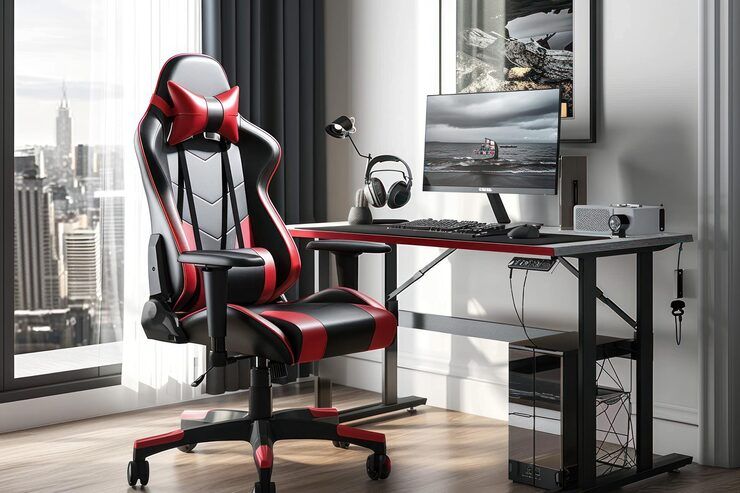
Gaming chair and desk systems are integrated furniture setups designed to support long hours of computer use, competitive gaming, content creation, and remote work. These systems combine ergonomic seating with desks structured for monitors, keyboards, and accessories.
Understanding Gaming Chair & Desk Systems
The concept emerged as gaming evolved from casual entertainment into esports, streaming, and professional digital work. As screen time increased globally, users began seeking structured workstations that could reduce physical strain while improving focus and performance.
A gaming chair typically features adjustable lumbar support, headrests, reclining functions, and armrest positioning. A gaming desk often includes cable management, height adjustment, monitor stands, and surface durability suited for mechanical keyboards and multiple displays.
Together, these systems aim to create a stable, comfortable, and organized environment for extended sessions.
Why Gaming Chair & Desk Systems Matter Today
Digital lifestyles have expanded rapidly in recent years. Online education, hybrid work, competitive esports, and content creation have made home setups more important than ever.
Extended sitting without ergonomic support can lead to:
-
Lower back discomfort
-
Neck strain
-
Poor posture habits
-
Reduced productivity
-
Fatigue during long sessions
Gaming chair and desk systems address these issues by promoting neutral spine alignment and adjustable positioning.
They affect multiple groups:
-
Students attending virtual classes
-
Remote professionals
-
Streamers and creators
-
Competitive gamers
-
Software developers and designers
In India, where digital adoption has increased significantly in urban centers like Surat and other growing cities, ergonomic awareness is gradually becoming part of workplace and home-office conversations.
Proper setups can improve concentration, reduce musculoskeletal stress, and support long-term comfort.
Key Components and Ergonomic Factors
Below is a simplified comparison of common ergonomic features:
| Feature | Gaming Chair | Standard Office Chair | Gaming Desk |
|---|---|---|---|
| Lumbar Support | Adjustable | Fixed or minimal | Not applicable |
| Armrests | 2D/3D/4D adjustable | Basic | Not applicable |
| Recline Angle | 135–180 degrees | 100–120 degrees | Not applicable |
| Height Adjustment | Gas lift system | Gas lift system | Manual or electric |
| Cable Management | No | No | Yes |
| Monitor Support | No | No | Often included |
Important ergonomic factors include:
-
Seat height aligned with knee angle at 90 degrees
-
Elbows positioned at desk height
-
Monitor at eye level
-
Feet flat on the floor or footrest
These fundamentals apply regardless of brand or design style.
Recent Updates and Industry Trends (2025)
The past year has introduced several noticeable developments in gaming chair and desk systems:
Rise of Smart Desks (2025)
Height-adjustable electric desks with memory presets have gained attention globally. These desks allow users to switch between sitting and standing positions, supporting healthier work cycles.
Sustainable Materials
Manufacturers in 2025 are increasingly using recycled metal frames and eco-friendly foam materials in response to global sustainability goals.
Esports Growth in India
The Indian esports ecosystem continues expanding in 2025, with tournaments and gaming events supported by digital platforms. As competitive gaming grows, structured gaming setups are becoming more common among serious players.
Hybrid Work Influence
Many professionals now use gaming chairs for work-from-home setups due to enhanced adjustability compared to traditional office chairs.
Improved Safety Certifications
Recent product updates emphasize compliance with international safety standards for gas lifts and structural stability.
Laws and Policies Affecting Gaming Chair & Desk Systems
While gaming chairs and desks are consumer products, they are influenced by broader regulations and safety frameworks.
In India, relevant frameworks include:
-
Bureau of Indian Standards (BIS) safety guidelines for furniture products
-
Import regulations related to product quality and labeling
-
Environmental regulations for materials and manufacturing processes
Workplace ergonomics may also be indirectly influenced by labor and occupational safety guidelines. Although these rules mainly apply to corporate offices, they influence industry standards for seating design.
In countries like the United States and Europe, workplace safety frameworks encourage ergonomic furniture usage. This indirectly shapes global manufacturing trends.
Consumers should check:
-
Stability certifications
-
Weight capacity ratings
-
Material safety compliance
Such standards reduce risks of mechanical failure and ensure durability.
Tools and Resources for Setup Planning
Several digital tools and platforms can help users design and optimize their workstation.
Ergonomic Assessment Resources
-
Occupational safety guidance from Occupational Safety and Health Administration
-
Workplace ergonomics resources from World Health Organization
Room Planning Tools
-
3D layout planners from IKEA
-
Design visualization tools like SketchUp
Desk Height Calculators
Online ergonomic calculators help determine correct desk and chair height based on user height and monitor placement.
Cable Management Templates
Printable cable routing plans reduce clutter and prevent overheating.
Posture Reminder Apps
Digital wellness apps can remind users to stretch and adjust posture at intervals.
Basic Setup Guide
Below is a simplified ergonomic reference chart:
| User Height | Recommended Desk Height | Chair Height Range |
|---|---|---|
| 5’0”–5’4” | 60–65 cm | 38–45 cm |
| 5’5”–5’9” | 65–70 cm | 42–50 cm |
| 5’10”–6’2” | 70–75 cm | 45–53 cm |
These measurements may vary depending on individual posture and equipment type.
Additional setup tips:
-
Keep wrists neutral while typing
-
Avoid leaning forward for long periods
-
Position monitors 20–30 inches from eyes
-
Ensure adequate lighting to reduce eye strain
FAQs About Gaming Chair & Desk Systems
What is the main difference between a gaming chair and an office chair?
Gaming chairs usually offer extended recline, adjustable armrests, and racing-style support. Office chairs often focus on professional aesthetics and moderate adjustability.
Are gaming desks suitable for professional work?
Yes. Many gaming desks provide structured cable management and stable surfaces that are suitable for remote work and digital tasks.
How long should someone sit before taking a break?
Health experts generally recommend standing or stretching every 30 to 60 minutes to reduce strain and improve circulation.
Do gaming chairs improve posture automatically?
No furniture guarantees posture correction. Proper adjustment and mindful sitting habits are essential.
Are standing desks better than seated desks?
Alternating between sitting and standing positions is generally considered beneficial. Adjustable desks support this flexibility.
Considerations Before Choosing a Setup
When evaluating gaming chair and desk systems, users may consider:
-
Room dimensions
-
Weight capacity requirements
-
Material durability
-
Ventilation and cushioning
-
Cable management needs
-
Multi-monitor compatibility
Understanding these factors ensures better long-term usability.
Productivity and Performance Insights
Research in workplace ergonomics suggests that structured seating and correct desk height can:
-
Improve concentration
-
Reduce fatigue
-
Support better typing efficiency
-
Lower risk of repetitive strain injuries
For competitive gamers, posture stability may also support consistent hand positioning and reaction accuracy.
However, performance outcomes vary depending on overall health, habits, and environment.
Future Outlook
Looking ahead, trends suggest:
-
Increased integration of AI-based posture tracking
-
More compact designs for small urban homes
-
Enhanced breathable materials for warm climates
-
Growth of modular desks with customizable sections
As digital lifestyles continue expanding, structured workstation systems are likely to remain relevant for both gaming and professional use.
Conclusion
Gaming chair and desk systems are structured workstation solutions designed to support long hours of screen-based activity. They combine ergonomic seating and functional desk design to promote comfort, posture stability, and organization.
With rising digital engagement, hybrid work patterns, and esports growth in 2025, these systems are increasingly part of modern home environments. Understanding ergonomic basics, regulatory standards, and setup principles helps users create safe and efficient workstations.
When adjusted correctly and paired with healthy habits, a well-planned gaming chair and desk setup can contribute to improved comfort and long-term usability in today’s digital world.