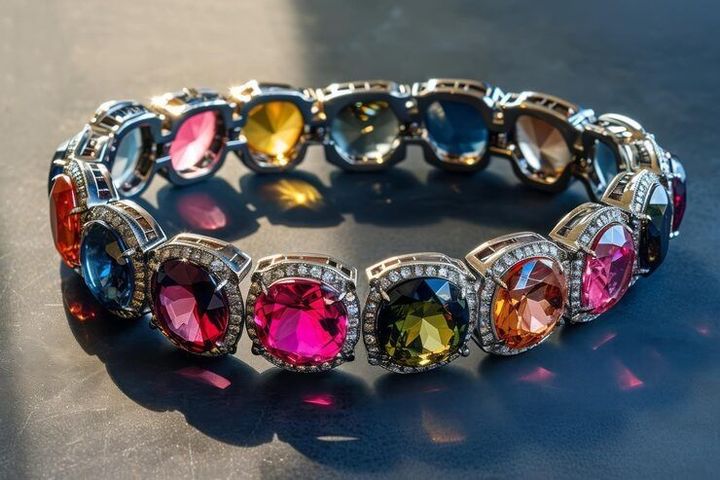
Gemstone Cuffs Tips: How to Select, Style, and Care for Elegant Gemstone Jewelry
Gemstone cuffs are a type of jewelry bracelet designed with an open-ended structure that wraps around the wrist. Unlike traditional closed bracelets, cuffs are slightly flexible and can slide onto the wrist from the side. When gemstones are integrated into these designs, the jewelry combines decorative aesthetics with natural minerals such as sapphire, emerald, quartz, or turquoise.
Gemstone cuffs exist because jewelry designers have long explored ways to combine metal craftsmanship with natural stones. Historically, cuff-style jewelry appeared in ancient civilizations such as Egypt, Persia, and India, where gemstones were valued for symbolism and durability.
Today, gemstone cuffs represent a blend of traditional artistry and modern design techniques. Contemporary jewelry production incorporates advanced tools and materials to enhance both aesthetics and precision.
Materials and Techniques Used
Modern gemstone cuff production often includes:
- Precious metals such as gold, silver, and platinum
- Semi-precious and precious gemstones
- Computer-aided design (CAD) for modeling
- Precision gemstone setting techniques
The open structure of a cuff allows gemstones to remain prominently visible. This design ensures that the stone settings are typically positioned on the top surface.
Common Gemstone Cuff Designs
Gemstone cuffs are available in multiple styles, including:
- Single gemstone centerpiece cuffs
- Multi-stone cluster cuffs
- Minimalist gemstone bar cuffs
- Wide gemstone statement cuffs
Each design reflects different fashion trends and personal style preferences.
Why Gemstone Cuffs Matter in Modern Jewelry
Gemstone cuffs have gained popularity due to increasing interest in personalized jewelry and natural aesthetics. Consumers are also focusing more on craftsmanship, ethical sourcing, and long-term durability.
Jewelry education plays an important role in helping people understand gemstone properties and metal types. This knowledge allows individuals to distinguish between natural, lab-created, and treated stones.
Key Reasons for Their Importance
- Easy to wear due to open cuff design
- Suitable for different wrist sizes
- Highlights gemstone visibility
- Offers a balance of style and functionality
Gemstone cuffs also align with trends in sustainable jewelry practices and transparency in sourcing.
Industry Connections
| Industry Area | Role |
|---|---|
| Jewelry design | Creating cuff styles and gemstone settings |
| Gemology | Identifying gemstone characteristics |
| Precious metal manufacturing | Producing gold, silver, and platinum materials |
| Fashion accessories | Integrating jewelry into style trends |
Understanding these industries helps explain the broader impact of gemstone cuff production.
Recent Updates in Jewelry and Gemstone Trends
Recent jewelry trends have influenced how gemstone cuffs are designed and produced. In 2024 and early 2025, there has been a strong focus on colored gemstones and innovative materials.
Designers are exploring stones such as tourmaline, aquamarine, and spinel. These gemstones provide vibrant alternatives to traditional diamond-focused designs.
Notable Industry Developments
- March 2025: Geometric multi-stone cuff designs showcased at exhibitions
- Late 2024: Increased demand for ethically sourced gemstones
- Early 2025: Adoption of computer-assisted gemstone placement
Another emerging trend is the use of lab-grown gemstones, which are chemically similar to natural stones but produced in controlled environments.
Gemstone Trends in 2025
| Trend | Description |
|---|---|
| Color-focused jewelry | Use of vibrant gemstone palettes |
| Minimalist cuff designs | Slim cuffs with a single gemstone |
| Sustainable materials | Recycled metals and traceable gemstones |
| Mixed gemstone combinations | Multiple stones in artistic arrangements |
These trends highlight the evolution of gemstone cuff design.
Regulations and Policies Affecting Gemstone Jewelry
Gemstone jewelry is regulated to ensure transparency and consumer protection. These regulations focus on accurate labeling, ethical sourcing, and safety standards.
In the United States, the FTC provides guidelines for gemstone disclosure and marketing. The European Union enforces chemical safety regulations such as REACH, while India uses BIS hallmarking for metal purity verification.
Key Regulatory Considerations
- Accurate gemstone identification
- Disclosure of gemstone treatments
- Metal purity standards
- Ethical sourcing compliance
These frameworks help maintain trust and quality in the jewelry market.
Tools and Resources for Learning About Gemstone Jewelry
Various tools help individuals understand gemstone properties, jewelry design, and care practices. These resources combine scientific knowledge with practical applications.
Useful Learning Resources
- Gemstone identification guides
- Jewelry CAD design software
- Gemstone grading charts
- Mineral databases
- Jewelry care guides
Gemstone Hardness Comparison (Mohs Scale)
| Gemstone | Mohs Hardness |
|---|---|
| Diamond | 10 |
| Sapphire | 9 |
| Topaz | 8 |
| Quartz | 7 |
| Turquoise | 5–6 |
Hardness determines how resistant a gemstone is to scratching and damage.
Common Digital Tools
- Jewelry CAD modeling platforms
- Gemstone color reference charts
- Mineral classification databases
- Jewelry maintenance tracking tools
These tools support both learning and professional jewelry design.
Frequently Asked Questions
What is a gemstone cuff bracelet?
A gemstone cuff bracelet is an open-ended bracelet featuring one or more gemstones mounted on a metal cuff that wraps around the wrist.
What types of gemstones are commonly used?
Common options include sapphire, emerald, turquoise, quartz, garnet, and amethyst. Designers may also use various semi-precious stones depending on style.
How should gemstone cuffs be stored?
They should be stored in soft-lined jewelry boxes to prevent scratches. Keeping pieces separate helps maintain gemstone quality.
Are all gemstones equally durable?
No, durability varies based on hardness and structure. Harder stones resist scratches better than softer ones.
Why do some gemstones require special care?
Some gemstones are sensitive to heat, sunlight, or chemicals. Proper care helps maintain their appearance and stability.
Jewelry Care and Styling Insights
Gemstone cuffs can be styled in different ways depending on the occasion and personal preference. Many people combine them with minimalist accessories for a balanced look.
Popular Styling Ideas
- Wear a single cuff as a statement piece
- Pair with simple rings or earrings
- Match gemstone colors with outfits
- Layer multiple thin cuffs
Basic Care Tips
- Avoid exposure to harsh chemicals
- Store in padded containers
- Clean with mild solutions and soft cloths
- Avoid strong impacts
Regular inspection of gemstone settings helps maintain durability and safety.
Conclusion
Gemstone cuffs combine jewelry design, gemstone science, and personal style into a versatile accessory. Their open structure allows gemstones to stand out while remaining comfortable to wear.
Understanding gemstone cuffs involves knowledge of materials, trends, care practices, and regulations. Advances in sustainable sourcing and digital design continue to shape the future of cuff-style jewelry.
By learning about gemstone properties and jewelry craftsmanship, individuals can better appreciate the artistry and technical detail behind gemstone cuffs.