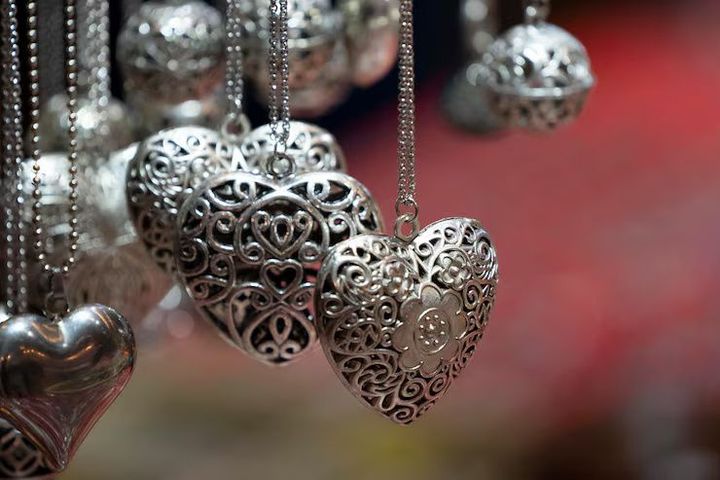
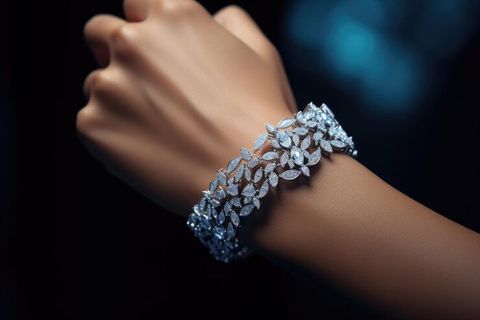
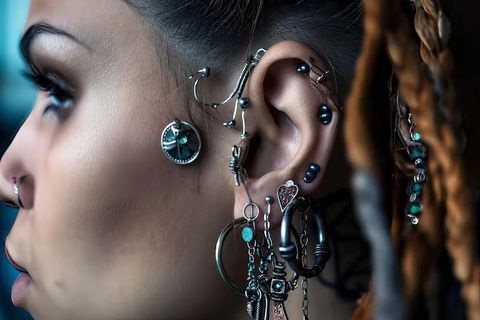
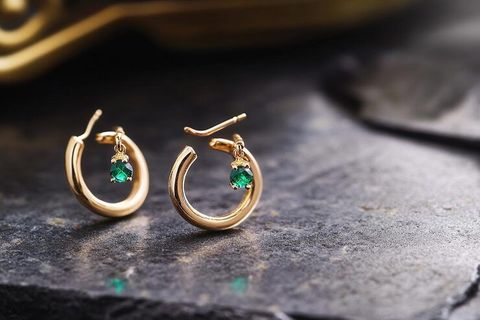
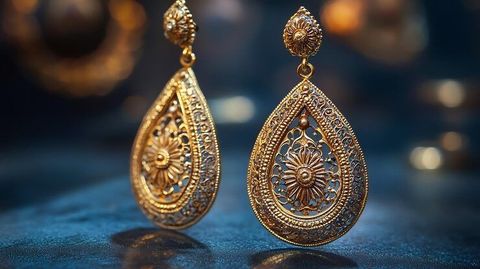
The origins of Mexican silver filigree jewellery can be traced to regions such as Oaxaca and Yucatán. Artisans in these areas developed unique styles using locally sourced silver, combining precision and patience to create intricate designs.
Mexico’s long history as a leading silver producer has supported a strong jewellery-making tradition. Filigree jewellery represents not only decoration but also cultural identity and artistic heritage.
Key Characteristics
Mexican silver filigree jewellery is known for its distinctive features:
-
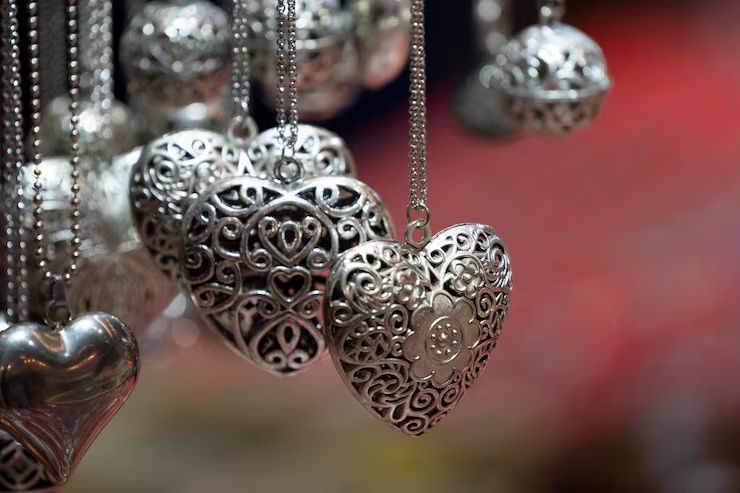
Fine, lace-like metal patterns
-
Lightweight yet highly detailed structures
-
Floral, geometric, and symbolic motifs
-
Handcrafted techniques passed through generations
These characteristics highlight the craftsmanship and cultural significance of filigree jewellery.
Importance
Mexican silver filigree jewellery remains relevant due to its cultural, artistic, and economic value. It preserves traditional craftsmanship in an age dominated by mass production.
Why It Matters
This form of jewellery plays an important role because it:
-
Preserves cultural heritage and artisan skills
-
Supports local communities, especially in Oaxaca
-
Promotes global appreciation of handmade products
-
Encourages sustainable, small-scale production
Filigree jewellery is also worn during festivals, weddings, and ceremonies. It symbolizes identity, pride, and connection to tradition.
Broader Impact
From a wider perspective, filigree jewellery contributes to:
-
Appreciation of handcrafted goods over mass-produced items
-
Increased cultural awareness and diversity
-
Support for ethical and sustainable production
The global jewellery market is increasingly favoring artisanal and heritage-based designs, aligning well with Mexican filigree craftsmanship.
Recent Updates
In 2025, Mexican silver filigree jewellery has evolved with new trends and innovations. There is growing global interest in sustainable and handmade jewellery, boosting its visibility.
Key Developments
-
Increased use of digital platforms to showcase artisan work
-
Revival of traditional techniques among younger artisans
-
Integration of modern design with classic filigree patterns
Cultural preservation initiatives in Mexico are also supporting training programs and workshops. These efforts aim to protect traditional skills and ensure their continuation.
Modern Adaptations
Designers are blending traditional filigree with contemporary styles. Minimalist designs combined with intricate detailing are becoming more popular.
Additionally, digital design tools are helping artisans plan complex patterns while maintaining manual craftsmanship.
Laws and Policies
Mexican silver filigree jewellery is regulated by several standards and cultural protection policies. These ensure quality, authenticity, and preservation of traditional techniques.
Key Regulations
-
Hallmarking standards (e.g., “925” sterling silver purity)
-
Consumer protection laws for accurate labeling
-
Cultural heritage protection programs
-
Export regulations for handcrafted goods
The government also supports artisans through certification programs and financial assistance. These initiatives help sustain traditional craftsmanship.
Protection and Sustainability
Organizations work to prevent imitation and unauthorized reproduction of traditional designs. Environmental regulations also promote responsible silver sourcing and eco-friendly production practices.
Tools and Resources
Filigree jewellery creation requires specialized tools and resources. These tools enable artisans to achieve precision and intricate detailing.
Common Tools
-
Fine silver wires and sheets
-
Precision tweezers and pliers
-
Soldering equipment
-
Magnification tools
-
Polishing and finishing tools
Digital and Educational Resources
-
Jewellery design software (CAD tools)
-
Online learning platforms
-
Museum archives and cultural databases
-
Government-supported craft directories
-
Artisan community networks
Traditional vs Modern Filigree
| Aspect | Traditional Filigree | Modern Filigree Adaptation |
|---|
| Design Method | Hand-drawn patterns | Digital design assistance |
| Production | Fully manual | Semi-assisted planning |
| Style | Cultural and symbolic | Mixed traditional and modern |
| Tools | Basic hand tools | Manual + digital tools |
Basic Creation Steps
-
Designing the pattern
-
Shaping fine silver wires
-
Assembling components
-
Soldering delicate structures
-
Polishing and finishing
These steps require both creativity and technical expertise.
Frequently Asked Questions
What is filigree jewellery?
Filigree jewellery is a metalworking technique that uses thin wires to create intricate, lace-like designs, typically in silver or gold.
Why is Mexican silver commonly used?
Mexico has abundant silver resources and a long tradition of silver craftsmanship, making it ideal for filigree work.
Is filigree jewellery durable?
Despite its delicate appearance, well-crafted filigree jewellery is structurally stable. However, it should be handled with care.
How is it different from other jewellery?
Filigree focuses on intricate wire patterns rather than solid metal forms, giving it a lightweight and detailed appearance.
Are modern technologies influencing filigree?
Yes, digital tools assist in design planning, but the craftsmanship remains largely manual.
Additional Insights
Mexican silver filigree jewellery reflects both artistic creativity and technical expertise. Many designs carry symbolic meanings tied to nature and cultural traditions.
Common Design Motifs
-
Nature-inspired elements like flowers and leaves
-
Geometric patterns symbolizing balance
-
Cultural symbols linked to regional identity
Sustainability Trends (2025)
-
Use of recycled silver materials
-
Environmentally responsible production
-
Reduced chemical usage in finishing
Popularity Factors
| Factor | Influence Level |
|---|
| Cultural Heritage Value | High |
| Craftsmanship Detail | High |
| Sustainability Awareness | Moderate |
| Modern Design Integration | Increasing |
These factors show how traditional crafts continue to evolve while maintaining authenticity.
Conclusion
Mexican silver filigree jewellery represents a blend of history, artistry, and cultural identity. Its handcrafted techniques and intricate designs have been preserved for generations, making it a valuable cultural asset.
Today, this jewellery continues to adapt to modern trends through digital tools and global exposure. At the same time, cultural preservation efforts ensure that traditional skills are not lost.
As interest in handmade and meaningful products grows, Mexican silver filigree jewellery remains a strong example of tradition combined with innovation.