Gemstone Cuts & Settings: Explore Shapes, Brilliance, and Jewelry Design
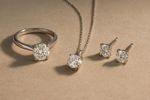
Gemstones have been used in jewelry and decorative objects for thousands of years. The beauty of a gemstone is not determined only by its color or rarity. The way the stone is cut and the method used to hold it in jewelry both play a major role in how the gem looks and performs over time. These two elements are known as gemstone cuts and gemstone settings.
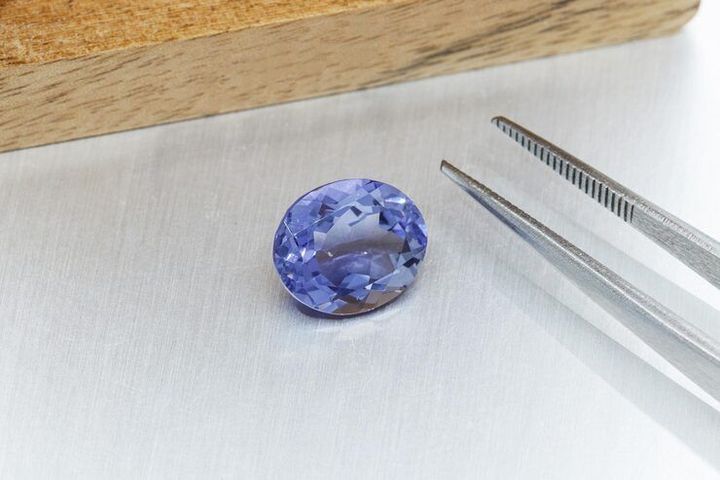
A gemstone cut refers to the shape and arrangement of facets created when a stone is shaped and polished. These facets control how light enters and reflects within the stone, influencing brilliance, sparkle, and fire.
A gemstone setting refers to the method used to secure a gemstone into jewelry such as rings, necklaces, or bracelets. The setting affects both the visibility of the stone and its protection during everyday use.
Together, cuts and settings are essential in jewelry design. They determine appearance, durability, and the overall balance of a jewelry piece.
Importance of Gemstone Cuts and Settings in Modern Jewelry
Gemstone cuts and settings play a major role in both aesthetics and structural integrity. They influence how a gemstone looks and how well it withstands daily wear.
One key factor is light performance. A well-cut gemstone reflects light internally and returns it through the surface, creating brilliance and sparkle.
Settings, on the other hand, affect how securely a gemstone is held and how much light it receives. Some designs prioritize visibility, while others focus on protection.
Key Reasons They Matter
- Visual brilliance and light reflection
- Durability for everyday wear
- Compatibility with modern jewelry designs
- Protection of valuable gemstones
- Suitability with different metal types
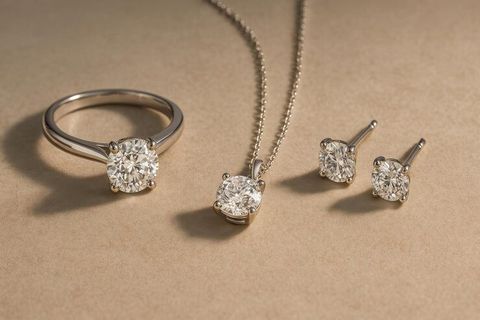
For example, a prong setting allows more light exposure, while a bezel setting offers greater protection by surrounding the stone with metal.
Growing interest in gemstone certification and jewelry design has increased awareness of how these elements affect quality and value.
Common Gemstone Cuts and Their Characteristics
Different gemstone cuts are designed to highlight specific qualities such as sparkle, clarity, or color.
| Gemstone Cut | Characteristics | Typical Use |
|---|---|---|
| Round Brilliant | Maximum sparkle due to multiple facets | Diamonds and engagement rings |
| Princess | Square shape with sharp brilliance | Modern ring designs |
| Emerald | Step-cut emphasizing clarity | Emeralds and diamonds |
| Oval | Elongated shape with balanced brilliance | Rings and pendants |
| Cushion | Rounded corners with soft square appearance | Vintage-style jewelry |
| Pear | Teardrop shape combining oval and marquise features | Earrings and pendants |
These cuts are based on optical principles that control how light moves through the gemstone.
Popular Gemstone Settings in Jewelry Design
Gemstone settings determine how stones are mounted and protected within metal frameworks.
| Setting Type | Description | Advantages |
|---|---|---|
| Prong Setting | Metal claws hold the gemstone | Maximum light exposure |
| Bezel Setting | Metal rim surrounds the gemstone | Strong protection |
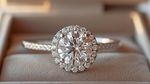
| Halo Setting | Small stones encircle the main gemstone | Enhances visual size |
| Pavé Setting | Small stones set closely together | Continuous sparkle |
| Channel Setting | Stones placed between metal strips | Smooth and secure design |
Each setting offers unique benefits depending on the gemstone type and intended use.
Recent Trends in Gemstone Cutting and Jewelry Design
The gemstone industry has seen significant advancements due to digital tools and changing consumer preferences.
Computer-Aided Design (CAD)
Jewelry designers increasingly use CAD and 3D modeling software to plan gemstone placement. These tools allow simulation of light performance before production.
Precision-Cut Gemstones
Advanced cutting techniques use digital mapping to improve symmetry and maximize brilliance. This approach is becoming more common in modern gem cutting.
Sustainability and Transparency
There is growing focus on ethical sourcing and traceability. Certification bodies emphasize responsible mining and transparent supply chains.
Light Performance Analysis
New tools measure how effectively gemstones reflect and disperse light. These technologies help improve grading accuracy and design quality.
These developments are shaping modern jewelry design and manufacturing practices.
Laws, Regulations, and Certification
The gemstone industry is influenced by regulations that ensure authenticity, ethical sourcing, and consumer transparency.
Key Regulatory Areas
- Accurate gemstone labeling (natural, treated, or lab-created)
- Certification and grading standards
- Ethical sourcing and supply chain transparency
- Jewelry hallmarking for metal purity
- Import and export compliance
These regulations help protect consumers and maintain trust in the jewelry market.
Tools and Resources for Learning About Gemstones
Various tools and educational platforms help individuals understand gemstone cuts, grading, and design.
Common Learning Tools
- Gemstone cut simulators for visualizing light performance
- Diamond grading charts explaining clarity and color
- Jewelry CAD software for digital design
- Gemology education platforms and courses
- Stone measurement calculators for estimating carat weight
These resources are widely used by designers, students, and gemstone enthusiasts.
Light Reflection in Gemstone Cuts
Light interaction is a key factor in gemstone appearance. The quality of the cut determines how much light is reflected back to the viewer.
| Cut Precision | Light Reflection | Visual Sparkle |
|---|---|---|
| Low Precision | Light escapes through sides | Limited sparkle |
| Medium Precision | Partial internal reflection | Moderate brilliance |
| High Precision | Strong internal reflection | Maximum brilliance |
This relationship shows why gemstone cutting is both a technical and artistic skill.
Frequently Asked Questions
What is the difference between gemstone cut and shape?
Shape refers to the outer form (e.g., round or oval), while cut refers to the arrangement of facets that affect light reflection.
Why is the round brilliant cut popular?
It has many facets designed to maximize light reflection and sparkle, making it ideal for diamonds.
Which setting provides the most protection?
Bezel settings offer strong protection because the gemstone is fully surrounded by metal.
Do gemstone cuts affect durability?
Yes. Cuts with sharp edges or corners can be more prone to damage if not properly protected.
How do jewelers choose a setting?
They consider factors such as gemstone hardness, shape, design preferences, and desired light exposure.
Conclusion
Gemstone cuts and settings are fundamental elements of jewelry design. The cut determines how light interacts with the gemstone, while the setting secures it and affects durability.
Modern advancements in digital design, precision cutting, and light analysis are transforming how gemstones are crafted and evaluated. At the same time, regulations and certification systems ensure transparency and ethical practices.
Understanding these concepts helps individuals appreciate the craftsmanship behind jewelry. From traditional cuts to modern design techniques, gemstone cuts and settings continue to shape the evolving world of jewelry.