Glamping Dome Experiences: An Informative Guide to Unique Luxury Camping Adventures
Glamping dome experiences represent a modern form of outdoor accommodation that combines traditional camping with elements of comfort and design typically associated with hospitality and tourism infrastructure. The word “glamping” is derived from “glamorous camping,” referring to outdoor stays that provide shelter, comfort, and environmental immersion without the minimal facilities associated with traditional camping.
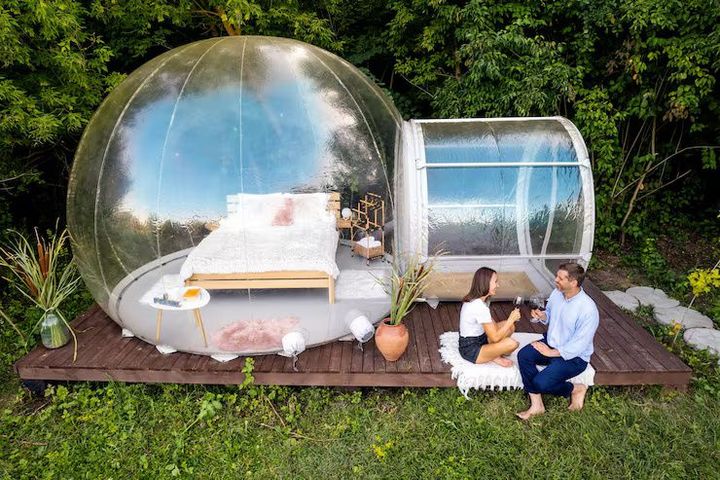
Glamping domes are among the most popular structures used in modern outdoor tourism. These dome-shaped accommodations are built using geometric frameworks that distribute weight efficiently, ensuring stability in various weather conditions. Their design combines durability with a lightweight and visually appealing structure.
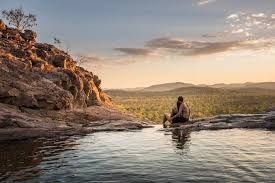
These domes are typically located in scenic environments such as forests, mountains, deserts, coastal regions, and countryside landscapes. They allow travelers to enjoy nature while staying in a comfortable setting equipped with insulation, natural lighting, and climate control.
The increasing demand for immersive travel experiences has contributed to the popularity of glamping domes. Travelers now seek meaningful connections with nature while maintaining comfort, making these accommodations suitable for families, digital nomads, and eco-tourism enthusiasts.
Why Glamping Dome Experiences Matter Today
Glamping dome tourism has grown rapidly due to changing travel preferences. Many travelers now prioritize experiences that combine nature, comfort, and sustainability. This shift has influenced how tourism destinations are developed and promoted.
Shift Toward Experiential Travel
Modern travelers are increasingly interested in immersive activities rather than traditional hotel stays. Experiences such as nature observation, wellness retreats, and outdoor adventures are becoming more popular.
Glamping domes support these experiences by offering a comfortable base within natural surroundings. They provide shelter while maintaining a close connection to the environment.
Growing Focus on Sustainable Tourism
Sustainability is another key factor driving the growth of glamping domes. These structures typically require less land and fewer permanent materials compared to traditional resorts.
They are often modular and relocatable, reducing long-term environmental impact. This makes them suitable for protected landscapes and rural tourism areas.
Key Sectors Influenced by Glamping Domes
Glamping domes contribute to multiple tourism and development sectors, including:
- Adventure tourism development
- Sustainable hospitality infrastructure
- Rural tourism diversification
- Eco-friendly architecture and design
- Digital nomad travel trends
These applications demonstrate the versatility of dome-based accommodations beyond leisure travel.
Recent Developments in Glamping Dome Tourism
The global glamping industry has evolved significantly in recent years. Reports from 2024 and early 2025 indicate continued growth in nature-based tourism across multiple regions.
Integration of Smart Technology
Modern glamping domes increasingly incorporate smart tourism technologies. These include energy-efficient climate systems, solar-powered lighting, and automated environmental monitoring.
Such features help maintain comfort while reducing energy consumption and environmental impact.
Eco-Friendly Construction Materials
Manufacturers are adopting sustainable materials such as:
- Recycled steel frames
- Insulated fabric membranes
- Environmentally friendly flooring
These materials improve durability while aligning with eco-conscious construction practices.
Rise of Stargazing and Astronomy Tourism
Astronomy tourism has gained popularity, especially in low-light regions. Some glamping domes now feature transparent roof panels designed for night sky observation.
These “stargazing domes” attract travelers interested in astronomy and unique outdoor experiences.
Regional Tourism Trends
Below is a summary of glamping tourism trends by region:
| Region | Tourism Trend |
|---|---|
| Europe | Expansion of eco-tourism destinations |
| North America | Growth in wilderness tourism |
| Southeast Asia | Integration with nature-based resorts |
| Middle East | Desert-based dome experiences |
These trends highlight the global expansion of outdoor hospitality experiences.
Regulations and Policy Considerations
Glamping dome accommodations are subject to various regulations related to land use, tourism, and environmental protection. These policies differ by region but share common objectives.
Common Regulatory Areas
- Land zoning laws
- Environmental protection regulations
- Building safety standards
- Tourism licensing requirements
- Waste management policies
These regulations ensure that glamping developments remain safe and environmentally responsible.
Environmental Guidelines
Operators are typically required to follow sustainability practices such as:
- Protecting wildlife habitats
- Managing water resources responsibly
- Ensuring proper waste disposal
- Controlling noise and light pollution
These measures help preserve natural ecosystems while supporting tourism activities.
Safety and Compliance
Safety standards often include structural inspections, fire safety planning, and emergency access routes. Many regions classify glamping domes as temporary or semi-permanent structures, simplifying approval processes.
Government tourism programs may also promote eco-friendly accommodations that meet sustainability criteria.
Helpful Tools and Resources for Glamping Travel Planning
Various digital tools assist travelers in planning glamping dome experiences. These tools help identify locations, monitor conditions, and organize trips effectively.
Common Travel Planning Resources
- Destination mapping platforms
- Weather forecast applications
- Sustainable tourism certification directories
- Astronomy and night sky visibility maps
- Outdoor activity planning platforms
These resources support informed decision-making for outdoor travel.
Data Provided by Travel Tools
Travel planning platforms typically offer insights into:
- Climate conditions
- Park accessibility
- Nearby hiking or wildlife areas
- Seasonal tourism patterns
This information helps travelers prepare for different environments and activities.
Overview of Digital Tools
| Tool Type | Purpose |
|---|---|
| Travel mapping platforms | Identify remote tourism locations |
| Weather monitoring apps | Track seasonal conditions |
| Outdoor navigation tools | Plan hiking and nature activities |
| Astronomy sky maps | Identify stargazing conditions |
| Sustainability directories | Discover eco-friendly destinations |
These tools improve trip planning and enhance overall travel experiences.
Frequently Asked Questions
What is a glamping dome?
A glamping dome is a dome-shaped outdoor accommodation designed to offer a comfortable camping experience while maintaining a close connection with nature.
How are glamping domes different from traditional tents?
Glamping domes have stronger structural frames, better insulation, and features like panoramic windows. They also provide greater protection from weather conditions compared to traditional tents.
Where are glamping dome experiences commonly located?
They are commonly found in natural settings such as forests, deserts, mountains, lakesides, and coastal areas.
Are glamping domes environmentally friendly?
Many glamping domes are designed with sustainability in mind, using modular construction, renewable energy, and minimal land disturbance.
What activities are associated with glamping travel?
Common activities include hiking, wildlife observation, photography, astronomy, wellness programs, and nature exploration.
Conclusion
Glamping dome experiences represent a modern approach to outdoor tourism that combines comfort, sustainability, and architectural innovation. These structures enable travelers to explore natural landscapes without sacrificing convenience.
The growth of glamping reflects broader trends such as experiential travel, eco-conscious tourism, and evolving hospitality design. Innovations like smart energy systems and astronomy-focused experiences continue to expand the appeal of glamping worldwide.
As tourism continues to evolve, glamping domes are expected to remain a key part of sustainable and nature-based travel experiences.