Turkey Holiday Tips: Discover Ancient Sites, Coastal Regions, and Travel Knowledge
Turkey is a country that connects Europe and Asia, creating a unique blend of cultures, traditions, landscapes, and historical sites.
For many travelers, a holiday in Turkey provides opportunities to explore ancient ruins, coastal regions, modern cities, and diverse local traditions within a single journey.
Interest in Turkey holiday packages and Turkey vacation packages has grown because the country offers a wide variety of travel experiences. Visitors can explore archaeological landmarks, relax along the Mediterranean and Aegean coasts, experience cultural attractions in major cities, or visit mountain and countryside regions. Travel options range from luxury Turkey holidays to budget-conscious itineraries, making the destination relevant to many different types of travelers.
Turkey’s history spans thousands of years and includes influences from civilizations such as the Hittites, Greeks, Romans, Byzantines, Seljuks, and Ottomans. As a result, travelers can encounter historical monuments, museums, religious landmarks, and cultural traditions that reflect many periods of human history.
Ancient Sites and Cultural Heritage
Turkey contains numerous archaeological locations and historical monuments. Some well-known sites include:
- Ephesus, an ancient city known for Roman-era structures and archaeological remains.
- Cappadocia, recognized for unique rock formations, underground cities, and historical cave dwellings.
- Troy, associated with ancient legends and archaeological discoveries.
- Hierapolis and Pamukkale, combining historical ruins with distinctive mineral-rich terraces.
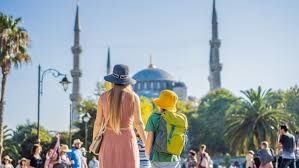
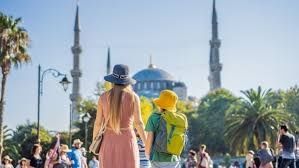
- Istanbul’s historical district, home to significant architectural and cultural landmarks.
These locations contribute to Turkey’s reputation as a destination for history and cultural exploration.
Coastal Regions and Natural Landscapes
Turkey is surrounded by several seas, including the Mediterranean, Aegean, Black Sea, and Marmara. Turkey beach holidays often focus on coastal areas where visitors can experience beaches, waterfront towns, and maritime activities.
Popular coastal regions include:
- The Turkish Riviera along the Mediterranean coast.
- The Aegean coastline featuring historic towns and beaches.
- The Black Sea region known for green landscapes and mountain scenery.
- The Marmara region, which combines urban and coastal environments.
Turkey holiday hotels can be found across these regions, ranging from city accommodations to seaside resorts and family-oriented properties.
Importance
Turkey remains an important travel destination because it combines historical, cultural, and natural attractions within a relatively compact geographic area. This variety allows travelers to experience different environments without extensive domestic travel.
Supporting Different Travel Preferences
Turkey family holidays often appeal to travelers seeking a mix of cultural learning, outdoor activities, and coastal relaxation. Families may visit museums, historical sites, beaches, and natural parks during a single trip.
Similarly, luxury Turkey holidays frequently focus on premium accommodations, private cultural experiences, wellness facilities, and coastal destinations. At the same time, cheap Turkey holidays remain a consideration for travelers seeking affordable transportation, accommodations, and sightseeing opportunities.
Balancing History and Recreation
One reason Turkey continues to attract visitors is its balance between educational and recreational experiences. Ancient cities provide opportunities to learn about historical civilizations, while coastal regions allow for leisure and outdoor activities.
The table below highlights common travel interests and related destinations.
| Travel Interest | Examples of Destinations |
|---|---|
| Ancient history | Ephesus, Troy, Hierapolis |
| Cultural heritage | Istanbul, Konya, Bursa |
| Coastal travel | Antalya, Bodrum, Fethiye |
| Nature and landscapes | Cappadocia, Black Sea region |
| Family-focused trips | Antalya region, Izmir area |
| Urban exploration | Istanbul, Ankara |
Addressing Travel Planning Challenges
Travelers often face challenges such as selecting destinations, understanding transportation options, and balancing budgets. Turkey travel deals and package-based travel plans can help simplify logistics by combining accommodations, transportation, and selected activities into one arrangement.
Travel planning also requires awareness of seasonal differences. Coastal destinations tend to be busiest during warmer months, while cultural and city-focused travel may occur throughout the year.
Recent Updates
Growing Interest in Cultural Tourism
Recent travel trends indicate increased interest in cultural and heritage tourism. Many travelers are seeking experiences connected to local history, archaeology, cuisine, and traditions rather than focusing solely on beach activities.
This trend has increased attention toward historical locations such as Ephesus, Göbekli Tepe, and Cappadocia.
Digital Travel Planning
Between 2024 and 2026, travelers have increasingly relied on digital tools for trip planning. Online booking systems, interactive maps, translation applications, and itinerary planners have become common resources for organizing Turkey vacation packages and independent travel arrangements.
Digital ticketing for museums and attractions has also become more common, helping visitors manage schedules more efficiently.
Sustainable Tourism Awareness
There is growing awareness of environmental sustainability in tourism. Travelers increasingly consider factors such as responsible tourism practices, local cultural preservation, and environmental impacts when planning trips.
This trend has encouraged attention toward protected natural areas, historical preservation projects, and community-based tourism initiatives.
Flexible Travel Preferences
Travel patterns continue to show demand for different travel styles. Some travelers prefer long-term cultural exploration, while others seek short breaks or last minute Turkey holidays that focus on specific regions.
The availability of diverse travel formats allows visitors to choose itineraries that align with their interests and available travel time.
Laws or Policies
Entry and Travel Requirements
Travel regulations for Turkey vary depending on a visitor’s nationality. Travelers should verify passport validity requirements, visa eligibility, and entry procedures before departure.
Government agencies periodically update entry requirements, making it important to review current information from official sources before traveling.
Protection of Historical Sites
Turkey maintains regulations designed to protect archaeological and cultural heritage locations. Visitors are generally expected to follow site-specific rules regarding photography, restricted areas, and preservation measures.
Removing artifacts or damaging protected historical sites may result in legal consequences.
Environmental Protection Measures
National parks, coastal zones, and protected natural areas are subject to environmental regulations. These policies aim to preserve ecosystems, wildlife habitats, and cultural landscapes.
Travelers visiting beaches, hiking routes, and natural attractions are encouraged to follow posted guidelines and local regulations.
Accommodation Registration
Like many countries, Turkey requires accommodation providers to register guest information with relevant authorities. This process supports tourism management and public safety procedures.
Travelers staying in Turkey holiday hotels may be asked to present identification documents during check-in.
Tools and Resources
Several tools and resources can help travelers research destinations and organize holiday plans.
Mapping and Navigation Platforms
Commonly used mapping tools help visitors locate attractions, transportation routes, accommodations, and restaurants. Navigation applications are particularly useful when exploring cities or coastal regions independently.
Official Tourism Websites
Government tourism portals often provide information regarding:
- Historical attractions
- Museum access
- Transportation networks
- Cultural events
- Regional travel information
Translation Applications
Language tools can assist travelers when reading signs, communicating with local residents, or understanding menus and informational materials.
Weather and Travel Planning Platforms
Weather forecasting tools help travelers prepare for regional climate conditions. Turkey's geography creates significant seasonal variation between coastal, inland, and mountainous regions.
Travel Budget and Itinerary Calculators
Online calculators can help estimate transportation, accommodation, and activity expenses. Itinerary planners can also assist travelers in organizing visits to multiple destinations during a single trip.
FAQs
What are common destinations included in Turkey holiday packages?
Turkey holiday packages often include destinations such as Istanbul, Cappadocia, Antalya, Bodrum, Pamukkale, and Ephesus. The specific itinerary depends on the travel focus, including culture, history, nature, or coastal experiences.
Are all inclusive Turkey holidays limited to beach destinations?
No. While many all inclusive Turkey holidays are associated with coastal regions, some packages may also include cultural tours, historical attractions, and inland destinations such as Cappadocia.
What should families consider when planning Turkey family holidays?
Families may consider transportation options, accommodation suitability, climate conditions, attraction accessibility, and the ages of travelers. Many destinations provide a combination of educational, cultural, and recreational activities.
Are cheap Turkey holidays available throughout the year?
Travel availability varies by season, destination, and demand. Some travelers find lower accommodation and transportation expenses during periods with fewer visitors compared to peak holiday seasons.
What are some popular regions for Turkey beach holidays?
Popular coastal areas include Antalya, Bodrum, Marmaris, Fethiye, and other locations along the Mediterranean and Aegean coasts. These regions are known for beaches, coastal scenery, and access to maritime activities.
Conclusion
Turkey combines historical landmarks, cultural traditions, coastal landscapes, and diverse travel experiences within a single destination. Ancient cities, archaeological sites, beaches, and urban centers contribute to its broad appeal among different types of travelers. Trends in cultural tourism, digital travel planning, and sustainable travel continue to shape how visitors explore the country. Understanding local regulations, travel resources, and regional differences can help travelers make informed decisions when planning their journeys.