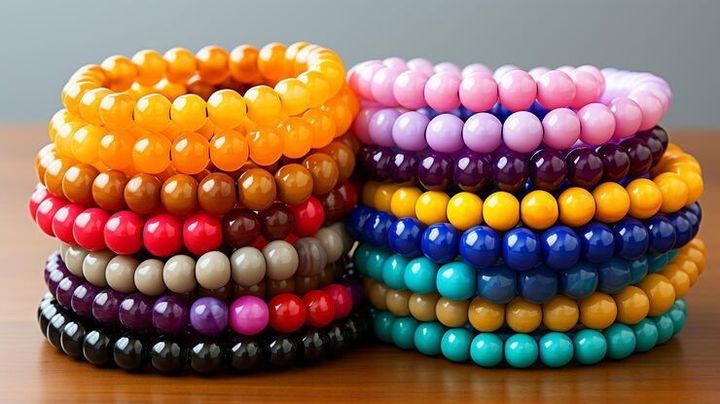
Glass Beaded Bracelets Guide: Styles, Materials, and Tips for Choosing the Perfect Design
Glass beaded bracelets are decorative accessories made by arranging glass beads on threads, wires, or elastic cords to form wearable jewelry. These bracelets have been used for centuries across different cultures for both decorative and symbolic purposes.
The concept behind glass bead jewelry dates back thousands of years. Archaeological findings show that ancient civilizations such as those in Egypt, Mesopotamia, and Venice used glass beads to create ornaments, religious objects, and status symbols.
Over time, improvements in glassmaking techniques allowed artisans to produce beads in a wide variety of shapes, colors, and finishes. Today, glass beaded bracelets are widely recognized as an accessible form of jewelry design that blends creativity with craftsmanship.
Types of Glass Beads Used in Bracelets
Glass beaded bracelets can include multiple bead styles, each offering a unique look and texture:
- Seed beads
- Lampwork beads
- Pressed glass beads
- Crystal glass beads
- Recycled glass beads
These beads can be arranged in patterns or combined to create distinctive designs. Designers often experiment with color theory, symmetry, and materials to match different fashion styles.
Glass beaded bracelets are also used in jewelry design education, where students learn techniques such as threading, knotting, and pattern development.
Why Glass Beaded Bracelets Matter in Modern Jewelry Design
Glass beaded bracelets remain relevant because they combine artistic creativity with material science and craftsmanship. They influence both the fashion accessory industry and handmade jewelry communities worldwide.
One key reason for their importance is the growing global interest in handmade and personalized jewelry. Consumers increasingly prefer unique accessories that reflect individual style and cultural identity.
Key Benefits and Importance
- Supports small-scale jewelry design industries
- Encourages creative expression through color and patterns
- Preserves traditional bead-making techniques
- Offers sustainable options through recycled glass
Glass bead bracelets also play a role in cultural identity. In many regions, beadwork represents heritage, storytelling, and ceremonial traditions, such as African and Native American beadwork.
Design Challenges Addressed
- Creating lightweight jewelry structures
- Achieving color harmony
- Developing modular and flexible designs
Recent Trends and Developments in Glass Bead Jewelry (2024–2025)
Recent years have seen significant changes in glass bead bracelet design. Sustainability and digital innovation are shaping how designers approach jewelry creation.
One major trend is the increased use of recycled glass beads. Designers are adopting eco-conscious materials to reduce environmental impact and align with sustainable fashion practices.
Another development is the use of digital tools such as CAD software. These tools allow designers to visualize patterns and layouts before creating physical bracelets.
Key Trends
- Minimalist designs with neutral color palettes
- Layered bracelets combining beads with metals or stones
- Transparent and frosted bead finishes
- Geometric patterns inspired by modern art
Vintage styles, especially Venetian glass beads and traditional lampwork techniques, have also regained popularity. Social media platforms and online marketplaces continue to drive innovation and community collaboration.
Regulations and Policies Affecting Jewelry Materials
Glass beaded bracelets are subject to regulations related to consumer safety and material standards. These rules ensure that jewelry products are safe and environmentally responsible.
Many countries regulate harmful substances in jewelry materials. While glass itself is generally safe, coatings and paints must comply with chemical safety standards.
Key Regulations
- EU REACH regulation restricting hazardous chemicals
- RoHS directive affecting electronic jewelry components
- U.S. regulations on lead content, especially for children’s jewelry
Sustainability Considerations
- Use of recycled materials
- Adoption of low-impact manufacturing
- Transparent sourcing and supply chains
Understanding these policies helps designers meet global safety and environmental requirements.
Tools and Resources for Learning Glass Beaded Bracelet Design
Various tools and educational resources support learning in glass bead jewelry design. These tools help with visualization, planning, and material selection.
Common Design Tools
- Jewelry CAD software
- Color palette generators
- Bead pattern templates
- Jewelry learning platforms
- Material databases
Jewelry Design Tools Table
| Tool Type | Purpose | Typical Users |
|---|---|---|
| Jewelry CAD Software | Visualizing bracelet patterns and structure | Designers and students |
| Color Palette Generators | Creating balanced color combinations | Jewelry designers |
| Bead Pattern Templates | Planning layout and symmetry | Hobbyists and educators |
| Material Databases | Identifying bead materials and finishes | Jewelry researchers |
Bracelet Design Workflow
| Design Stage | Activity |
|---|---|
| Concept Development | Choose style, color theme, and bead type |
| Pattern Planning | Arrange bead layout and symmetry |
| Material Selection | Select bead sizes and finishes |
| Assembly | Thread beads and secure structure |
| Evaluation | Check durability and visual balance |
These structured processes help ensure both aesthetic quality and durability in bracelet design.
Frequently Asked Questions About Glass Beaded Bracelets
What are glass beads made from?
Glass beads are made by melting silica-based materials and shaping them into decorative forms. Techniques include molding, cutting, and lampworking.
What types of glass beads are commonly used?
Common types include seed beads, lampwork beads, pressed glass beads, and crystal beads. Each type offers different textures and visual appeal.
Are glass beaded bracelets durable?
Glass beads are generally durable, but the strength of the bracelet depends on the thread or wire used.
Why are glass beads popular?
They offer a wide range of colors, finishes, and shapes, allowing designers to create diverse and customizable designs.
What design factors should be considered?
- Bead size and weight
- Color harmony
- Bracelet flexibility
- Strength of stringing material
Conclusion
Glass beaded bracelets represent a combination of history, craftsmanship, and modern design innovation. They have evolved from ancient decorative items into contemporary accessories that reflect creativity and cultural expression.
Today, designers use diverse bead styles and advanced tools to create bracelets ranging from simple to intricate designs. Sustainability trends and regulatory standards continue to shape how these accessories are produced.
As fashion and craft traditions evolve, glass bead jewelry remains an important part of global culture. It continues to combine artistic expression with technical design knowledge, making it relevant for both designers and consumers.