GPS Vehicle Tracking for Safety and Fuel Management
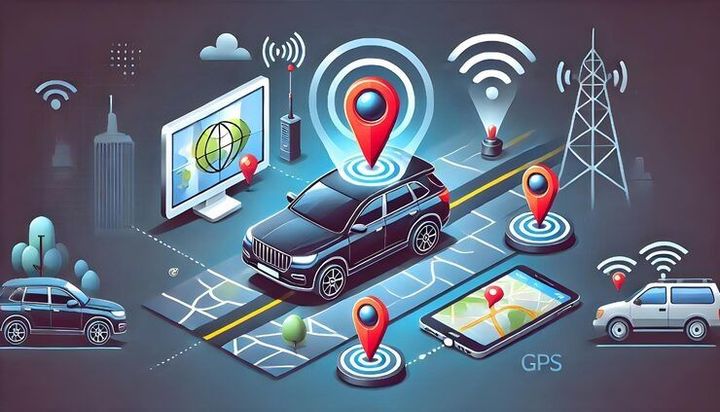
GPS vehicle tracking is a digital system that uses satellites, wireless communication, and mapping software to monitor vehicle location and movement in real time. The technology was originally developed for navigation and defense purposes, but it later became an important part of transportation, logistics, and personal travel systems.
Modern tracking systems are commonly used in passenger vehicles, public transportation, delivery operations, and commercial fleets. These systems help drivers follow optimized routes, reduce navigation confusion, and improve overall road awareness.
GPS tracking exists because transportation systems have become more complex over time. Traffic congestion, fuel usage, road safety concerns, and route delays created a need for more accurate navigation and monitoring tools. By combining live location data with digital maps, GPS technology helps drivers make informed travel decisions.
Vehicle tracking systems generally include:
- GPS receivers connected to satellites
- Mapping and navigation software
- Data communication networks
- Monitoring dashboards for route analysis
- Driver behavior tracking features
The system continuously collects location information and updates movement data. Some platforms also provide alerts for speeding, route deviation, sudden braking, or vehicle idling.
How GPS Tracking Supports Daily Transportation
GPS vehicle tracking has become part of daily transportation activities across many industries and personal travel situations. Drivers rely on navigation assistance to avoid traffic congestion, discover alternative routes, and estimate travel times more accurately.
The technology is especially useful in urban areas where traffic patterns frequently change throughout the day. Real-time updates help drivers adjust routes quickly and reduce unnecessary travel delays.
Below is a simple overview of common GPS tracking functions:
| GPS Feature | Main Purpose |
|---|---|
| Live Vehicle Location | Tracks movement in real time |
| Route Optimization | Suggests efficient travel paths |
| Driver Monitoring | Identifies risky driving patterns |
| Fuel Tracking | Monitors fuel efficiency |
| Geofencing | Creates location-based alerts |
| Traffic Analysis | Detects congestion and delays |
GPS tracking also improves communication between drivers and transport coordinators. Real-time location visibility helps reduce confusion about arrival times and route progress.
Why Driver Safety and Fuel Management Matter Today
Road safety and fuel efficiency have become major concerns for governments, businesses, and everyday drivers. Rising traffic density and longer travel distances increase the risk of accidents, fuel waste, and transportation delays.
GPS vehicle tracking helps address these issues through better route planning and driving awareness. Drivers can receive guidance about safer roads, reduced congestion areas, and speed limit monitoring.
Several transportation sectors benefit from this technology, including:
- Logistics and distribution networks
- School transportation systems
- Public transport operations
- Emergency response vehicles
- Construction and industrial transport
- Personal vehicle owners
Fuel management is another important advantage. Inefficient driving habits such as excessive idling, harsh acceleration, and poor route selection contribute to higher fuel consumption. GPS tracking tools can identify these patterns and help drivers improve efficiency.
Common Driver Safety Tips Using GPS Systems
Drivers can improve road safety by using GPS tracking responsibly and following navigation best practices.
Important safety tips include:
- Review routes before starting the journey
- Use voice-guided navigation to reduce distractions
- Keep tracking software updated regularly
- Avoid sudden route changes during heavy traffic
- Monitor speed alerts and traffic notifications
- Use rest reminders during long-distance travel
- Check alternate routes in severe weather conditions
Proper use of navigation systems can reduce confusion while driving in unfamiliar areas. It can also help drivers stay focused on road conditions rather than searching for directions manually.
Recent Updates in GPS Vehicle Tracking Technology
The GPS tracking industry has experienced significant technological improvements over the past year. In 2025 and early 2026, transportation systems increasingly adopted artificial intelligence and connected vehicle technologies to improve tracking accuracy and safety analysis.
Some recent developments include:
- AI-powered route prediction tools introduced in 2025
- Advanced driver behavior analytics for safety monitoring
- Improved fuel efficiency reporting systems
- Cloud-based fleet dashboards for remote monitoring
- Integration with electric vehicle battery tracking
- Real-time traffic prediction models using machine learning
Many transportation agencies also expanded smart mobility projects during 2025. These programs focused on reducing urban congestion and improving public transportation efficiency through connected GPS systems.
Another growing trend involves predictive maintenance alerts. Modern tracking systems can now identify engine performance patterns and maintenance needs before mechanical issues become serious.
The chart below highlights recent GPS tracking trends:
| Year | Key GPS Tracking Trend |
|---|---|
| 2024 | Real-time route optimization growth |
| 2025 | AI-powered driver analytics expansion |
| 2025 | Electric vehicle integration improvements |
| 2026 | Predictive maintenance monitoring adoption |
Cybersecurity has also become a major focus area. Developers are strengthening data protection systems to secure location information and reduce unauthorized tracking risks.
Government Rules and Transportation Policies
GPS vehicle tracking is influenced by transportation laws, privacy regulations, and road safety policies in many countries. Governments often encourage the use of digital tracking systems to improve traffic monitoring and public safety.
In India, vehicle tracking regulations have become more important in commercial transportation and passenger safety programs. Several transport authorities require tracking systems in public service vehicles and school transportation networks.
Key policy areas include:
- Vehicle safety monitoring standards
- Commercial fleet tracking requirements
- Emergency response location systems
- Driver working-hour regulations
- Data privacy and location sharing protections
The Ministry of Road Transport and Highways has supported digital transportation initiatives aimed at improving road safety and fleet transparency. GPS-based emergency tracking systems have also been discussed as part of broader smart mobility programs.
Different countries may apply different rules regarding:
- Data storage duration
- Driver consent requirements
- Tracking transparency policies
- Commercial transportation compliance
Organizations using tracking systems must ensure that collected location data is handled responsibly and according to applicable privacy regulations.
Helpful Tools and Learning Resources
Many digital resources help users understand GPS vehicle tracking systems and transportation monitoring concepts. These resources support navigation education, route planning, and safety awareness.
Commonly used tools include:
- Route planning applications
- Fuel usage calculators
- Vehicle maintenance trackers
- Traffic monitoring dashboards
- Navigation simulation platforms
- Driver safety assessment templates
- Fleet reporting systems
Educational resources are also widely available through transportation learning platforms, government road safety portals, and digital mapping tutorials.
Some platforms provide:
- Traffic condition updates
- Road safety learning materials
- Fuel efficiency reports
- Navigation training guides
- Fleet analytics dashboards
Using these resources regularly can help drivers improve travel planning and better understand transportation data.
Challenges Associated With GPS Tracking
Although GPS tracking offers many advantages, it also presents several challenges that users should understand.
Common concerns include:
- Signal interruptions in remote areas
- Battery and hardware limitations
- Data privacy concerns
- Overdependence on navigation systems
- Inaccurate mapping information
- Network connectivity problems
Drivers should not rely entirely on automated navigation. Road awareness, traffic signs, and safe driving practices remain essential.
Weather conditions can also affect tracking performance in some regions. Heavy storms or poor satellite visibility may temporarily reduce navigation accuracy.
Frequently Asked Questions
What is GPS vehicle tracking?
GPS vehicle tracking is a technology that uses satellite signals and digital mapping systems to monitor a vehicle’s location, route, and movement in real time.
How does GPS tracking improve driver safety?
GPS tracking improves safety by providing route guidance, speed alerts, traffic updates, and driving behavior monitoring that help reduce risky driving situations.
Can GPS tracking help reduce fuel consumption?
Yes. Route optimization, idle monitoring, and driving behavior analysis can help drivers improve fuel efficiency and reduce unnecessary fuel usage.
Is GPS vehicle tracking used only for commercial fleets?
No. GPS tracking is also used in personal vehicles, school transportation, emergency services, and public transportation systems.
Are there privacy rules related to vehicle tracking?
Many countries have privacy and transportation regulations that control how location data is collected, stored, and shared.
Conclusion
GPS vehicle tracking has become an important part of modern transportation systems. It supports safer navigation, better route planning, improved fuel management, and enhanced transportation efficiency. As cities become more connected and traffic conditions continue to evolve, digital tracking tools are playing a larger role in everyday travel decisions.
Recent advancements in artificial intelligence, predictive analytics, and smart mobility systems are shaping the future of GPS tracking technology. At the same time, governments and transportation authorities are introducing policies that encourage responsible and secure use of location data.