Green Energy Machinery: Complete Guide and Overview
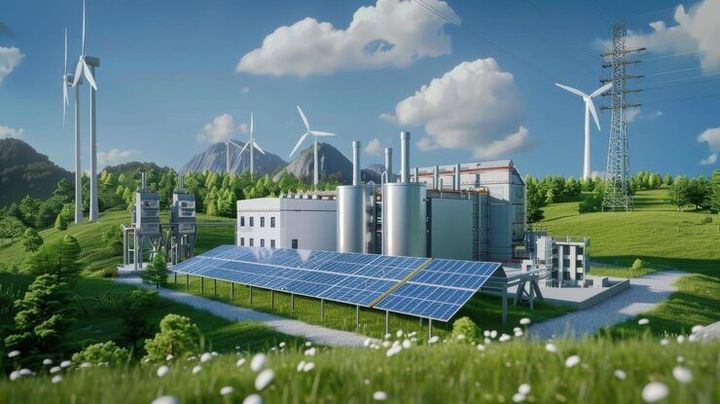
Green energy machinery plays an important role in the global transition toward cleaner and more sustainable energy production. These machines are designed to generate, store, or support renewable energy from natural resources such as sunlight, wind, water, biomass, and geothermal heat. As countries work to reduce greenhouse gas emissions, green energy machinery has become increasingly important in power generation, transportation, manufacturing, and infrastructure.
This complete guide provides an overview of green energy machinery, its purpose, major equipment types, recent developments, regulations, and practical resources. Understanding how these technologies work helps individuals, businesses, students, and policymakers appreciate their contribution to a cleaner energy future while supporting informed decision-making.
Context
Green energy machinery refers to equipment used for producing, storing, converting, or managing renewable energy. Unlike conventional energy systems that rely primarily on fossil fuels, these machines utilize naturally replenished energy sources with lower environmental impact.
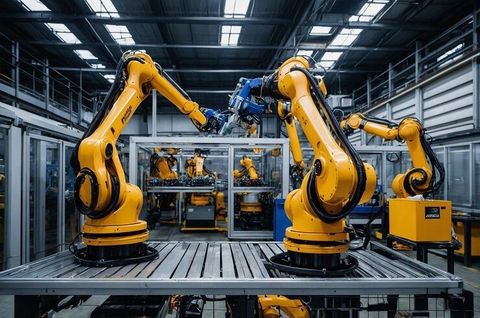
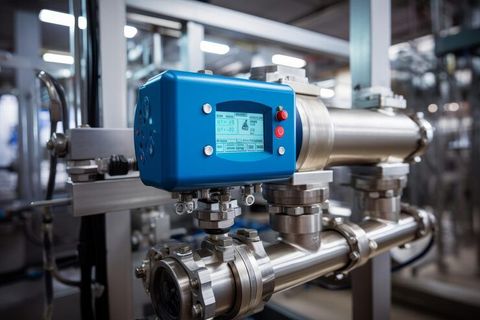
The development of green energy machinery has accelerated over the past two decades due to advances in engineering, automation, digital monitoring, and energy efficiency. Modern systems often combine sensors, artificial intelligence, remote monitoring, and predictive maintenance to improve performance and reliability.
Common examples of green energy machinery include:
- Wind turbines
- Solar panel manufacturing equipment
- Hydroelectric turbines
- Biomass processing machinery
- Biogas generation equipment
- Hydrogen production systems
- Battery energy storage equipment
- Electric vehicle charging infrastructure
These technologies support renewable electricity generation, industrial operations, and cleaner transportation systems.
Main Types of Green Energy Machinery
Different renewable energy sources require specialized equipment. The following table summarizes several common categories.
| Machinery Type | Primary Purpose |
|---|---|
| Wind turbines | Generate electricity from wind |
| Solar manufacturing equipment | Produce solar panels and components |
| Hydroelectric turbines | Convert flowing water into electricity |
| Biomass machinery | Process organic materials into energy |
| Biogas equipment | Produce renewable gas from waste |
| Hydrogen production equipment | Generate hydrogen using electrolysis or other methods |
| Battery storage systems | Store renewable electricity for later use |
| Smart energy control systems | Monitor and optimize energy distribution |
Each category contributes to improving renewable energy production while supporting energy efficiency and grid stability.
Importance
Green energy machinery is important because it supports cleaner energy production while reducing dependence on fossil fuels. Renewable energy technologies help diversify energy sources and strengthen long-term energy security in many regions.
These machines also contribute to environmental protection by supporting lower greenhouse gas emissions and improving energy efficiency. Their use continues to expand across residential, commercial, industrial, and public infrastructure projects.
Industries that benefit from green energy machinery include:
- Electricity generation
- Manufacturing
- Agriculture
- Transportation
- Construction
- Municipal infrastructure
- Waste management
Growing investment in renewable energy has encouraged research into more efficient machinery that operates with lower maintenance requirements and improved operational reliability.
Recent Updates
Between 2024 and 2026, green energy machinery has continued to evolve through improvements in automation, digital monitoring, and energy storage technologies.
Several important developments include:
- Increased deployment of utility-scale battery storage systems.
- More efficient wind turbine designs with larger rotor diameters.
- Improved solar manufacturing technologies that enhance panel efficiency.
- Expansion of green hydrogen production equipment in industrial projects.
- Greater integration of artificial intelligence for predictive maintenance.
- Increased adoption of digital twins for monitoring renewable energy assets.
- Growing use of robotic inspection systems for wind and solar facilities.
Manufacturers are also focusing on recyclable materials, modular equipment designs, and improved component durability. These developments help improve operational efficiency while supporting long-term sustainability goals.
Laws or Policies
Governments around the world have introduced policies that encourage renewable energy development and establish technical standards for green energy machinery.
Many regulations focus on:
- Renewable energy targets
- Equipment safety standards
- Environmental impact assessments
- Grid connection requirements
- Industrial emission reduction programs
- Energy efficiency standards
- Electrical safety regulations
International standards organizations also publish technical guidelines covering equipment design, testing, installation, and operational safety. These frameworks help improve reliability and compatibility across renewable energy systems.
Safety and Maintenance Considerations
Proper operation and maintenance remain essential for maximizing equipment performance.
Good practices include:
- Routine equipment inspections
- Continuous performance monitoring
- Scheduled preventive maintenance
- Electrical safety procedures
- Environmental compliance checks
- Operator training
- Accurate maintenance documentation
Following recognized standards helps improve equipment reliability and operational safety throughout the machinery lifecycle.
Tools and Resources
Numerous educational platforms and technical resources support learning about green energy machinery and renewable technologies.
Useful resources include:
- Government renewable energy information portals
- International renewable energy organizations
- Energy efficiency calculators
- Solar and wind resource mapping platforms
- Carbon emissions estimation tools
- Technical standards publications
- Engineering simulation software
- Renewable energy learning platforms
These resources provide guidance on renewable technologies, energy planning, environmental performance, and equipment operation. Educational institutions and research organizations also publish reports that explain current technology trends and future developments.
FAQs
What is green energy machinery?
Green energy machinery includes equipment used to generate, store, convert, or manage renewable energy from sources such as solar, wind, water, biomass, and hydrogen.
Why is green energy machinery important?
It supports cleaner energy production, improves energy efficiency, reduces environmental impact, and contributes to long-term energy sustainability.
Which industries use green energy machinery?
Power generation, manufacturing, transportation, agriculture, construction, municipal infrastructure, and waste management commonly use renewable energy equipment.
How has green energy machinery improved in recent years?
Recent improvements include smarter automation, artificial intelligence monitoring, advanced battery storage, larger wind turbines, higher-efficiency solar manufacturing, and digital maintenance technologies.
What skills are useful for understanding green energy machinery?
Basic knowledge of renewable energy systems, electrical engineering, mechanical systems, automation, environmental science, and industrial safety helps in understanding how this equipment operates.
Conclusion
Green energy machinery has become a fundamental part of modern renewable energy development. Advances in engineering, automation, and digital technologies continue to improve the efficiency and reliability of renewable energy systems across many industries. As governments and organizations pursue sustainability goals, these technologies are expected to remain an important part of future energy infrastructure. Understanding their purpose, operation, and regulatory framework helps readers better appreciate their growing role in the global energy transition.