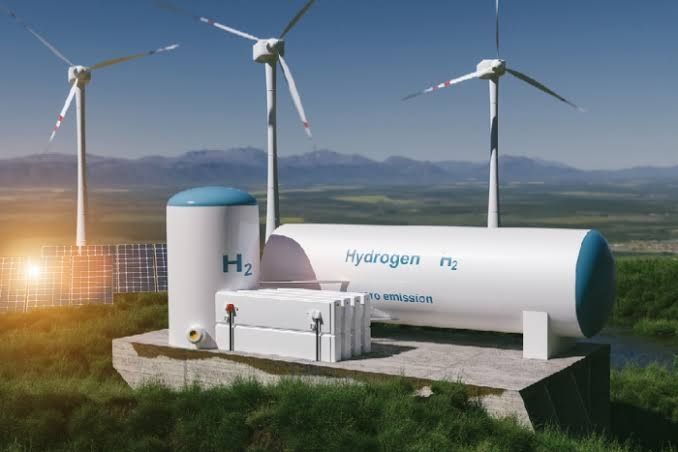
Green Hydrogen Plants: A Complete Guide to Production, Benefits, and Future
Green hydrogen plants are becoming an important part of the global transition toward cleaner energy systems. These facilities produce hydrogen using renewable electricity, making the process significantly cleaner than conventional hydrogen production methods that rely on fossil fuels. As countries work to reduce greenhouse gas emissions, green hydrogen is gaining attention as a versatile energy carrier that can support industries, transportation, and power generation.
The development of green hydrogen plants has accelerated in recent years due to advances in renewable energy technologies, growing climate commitments, and government support programs. Many nations are investing in hydrogen infrastructure to improve energy security, reduce carbon emissions, and support long-term sustainability goals. Understanding how these plants operate and their future potential is essential for anyone interested in the evolving energy landscape.
Context – What It Is, Background, and Purpose
A green hydrogen plant is a facility that produces hydrogen through a process called electrolysis. During electrolysis, electricity is used to split water into hydrogen and oxygen. When the electricity comes from renewable sources such as solar, wind, or hydropower, the resulting hydrogen is known as green hydrogen.
Traditional hydrogen production often relies on natural gas through a process called steam methane reforming, which generates significant carbon emissions. Green hydrogen plants aim to eliminate these emissions by using renewable energy instead of fossil fuels.
How Green Hydrogen Plants Work
The basic production process includes:
- Renewable energy generation
- Water purification
- Electrolysis
- Hydrogen storage
- Distribution and transportation
The hydrogen produced can be stored for later use or transported to industrial facilities, power plants, and fueling stations.
Main Components of a Green Hydrogen Plant
| Component | Function |
|---|---|
| Renewable Energy Source | Supplies electricity from solar, wind, or hydropower |
| Water Treatment Unit | Purifies water before electrolysis |
| Electrolyzer | Splits water into hydrogen and oxygen |
| Storage System | Stores produced hydrogen |
| Distribution Infrastructure | Transports hydrogen to end users |
The primary purpose of green hydrogen plants is to create a low-carbon energy source that can be used in sectors where direct electrification may be difficult.
Importance – Why It Matters and Who It Affects
Green hydrogen plants play a significant role in reducing emissions from industries that are difficult to decarbonize. These include steel manufacturing, chemical production, shipping, aviation, and heavy transportation.
The importance of green hydrogen extends beyond environmental benefits. It can also help improve energy resilience by enabling long-term storage of renewable energy. Excess electricity generated during periods of high solar or wind production can be converted into hydrogen and used later when energy demand increases.
Groups affected by green hydrogen development include:
- Energy producers
- Industrial manufacturers
- Transportation companies
- Government agencies
- Research institutions
- Local communities near project sites
Green hydrogen may also support economic growth by encouraging investment in renewable energy infrastructure and advanced manufacturing technologies.
Recent Updates – Trends and Developments from 2024–2026
The period from 2024 to 2026 has seen significant progress in green hydrogen plant development around the world.
Several countries have announced large-scale hydrogen projects connected to solar and wind farms. These projects aim to increase production capacity and improve supply chains for industrial users.
Key trends include:
- Expansion of gigawatt-scale electrolyzer projects
- Increased international cooperation on hydrogen trade
- Growth of hydrogen transportation infrastructure
- Research into more efficient electrolyzer technologies
- Integration of hydrogen production with renewable energy parks
Many energy companies are also exploring hydrogen hubs, where production, storage, and industrial consumption are located in the same region. This approach can reduce transportation challenges and improve efficiency.
Another important development is the decline in electrolyzer manufacturing expenses due to technological improvements and larger production volumes. This trend may help accelerate the adoption of green hydrogen plants over the coming decade.
Laws or Policies – Relevant Rules, Regulations, or Government Policies
Governments around the world are introducing policies to support green hydrogen development and encourage investment in clean energy infrastructure.
International Policy Trends
Common policy approaches include:
- National hydrogen strategies
- Renewable energy incentives
- Carbon reduction targets
- Research and development funding
- Infrastructure planning programs
Many countries have established certification systems to verify that hydrogen is produced using renewable electricity. These systems help ensure transparency and support international trade.
India's Green Hydrogen Mission
India launched the National Green Hydrogen Mission to encourage domestic production and reduce dependence on imported fossil fuels. The mission supports renewable energy integration, manufacturing development, and hydrogen-related infrastructure.
Key objectives include:
- Expanding green hydrogen production capacity
- Supporting renewable energy growth
- Encouraging technological innovation
- Reducing carbon emissions in industry and transportation
Other regions, including the European Union, the United States, Australia, Japan, and South Korea, have also introduced hydrogen-focused policies and strategic frameworks.
Tools and Resources – Useful Websites, Calculators, Templates, or Platforms
Several resources can help individuals, researchers, and organizations understand green hydrogen plants and hydrogen economics.
| Resource Type | Purpose |
| Hydrogen Production Calculators | Estimate hydrogen output and energy requirements |
| Renewable Energy Assessment Tools | Analyze solar and wind potential |
| Government Energy Portals | Access policy documents and project updates |
| International Energy Databases | Review market and technology trends |
| Research Publications | Explore technical studies and performance data |
Useful platforms include:
- International Energy Agency (IEA)
- International Renewable Energy Agency (IRENA)
- National Renewable Energy Laboratory (NREL)
- Ministry of New and Renewable Energy (MNRE), India
- Hydrogen Council
These resources provide data, reports, technical guidance, and policy information related to green hydrogen plants.
FAQs
What is a green hydrogen plant?
A green hydrogen plant produces hydrogen using renewable electricity and water through electrolysis, resulting in very low carbon emissions.
Why is green hydrogen important?
Green hydrogen can help reduce emissions in industries and transportation sectors that are difficult to electrify directly.
What renewable energy sources power green hydrogen plants?
Most plants use solar, wind, hydropower, or a combination of renewable energy sources.
Can green hydrogen be stored?
Yes. Hydrogen can be stored in tanks, underground facilities, or other specialized storage systems for later use.
Which industries use green hydrogen?
Industries such as steel manufacturing, chemicals, shipping, aviation, power generation, and heavy transportation are exploring green hydrogen applications.
Conclusion
Green hydrogen plants represent an important step toward a lower-carbon energy future. By using renewable electricity to produce hydrogen, these facilities can help reduce emissions across multiple sectors while supporting energy storage and industrial transformation. Recent technological advances, expanding infrastructure, and supportive government policies are accelerating adoption worldwide. Although challenges remain, green hydrogen is expected to play a growing role in global energy systems over the coming decades.