Helpful Resources for Understanding the Food Industry
The global food industry is one of the most important sectors in modern society. It influences agriculture, manufacturing, transportation, retail, technology, and consumer behavior. From farming and processing to packaging and delivery, the industry operates through a complex network that connects producers and consumers around the world.
As the industry continues to evolve, many people look for reliable resources to understand changing trends, food industry sectors, supply chain systems, and emerging technologies. Learning about these areas helps students, researchers, entrepreneurs, and everyday consumers gain a clearer understanding of how food moves from farms to households.
Understanding the Structure of the Food Industry
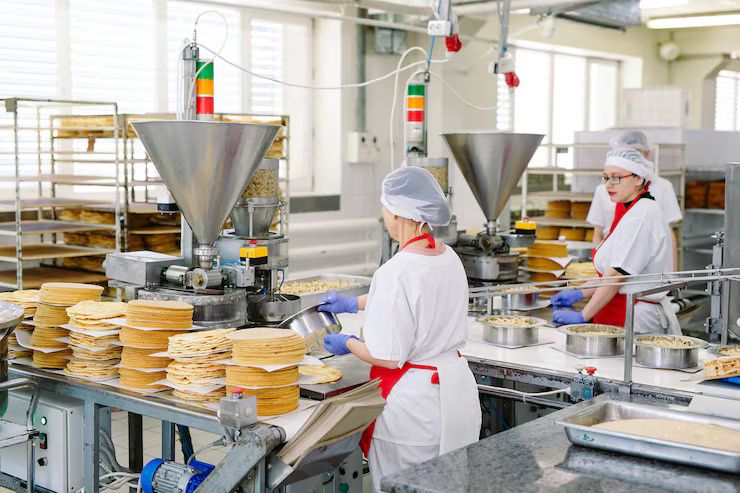
The food industry includes many connected sectors that work together to maintain production and distribution. Each part has a different role in ensuring food quality, safety, availability, and innovation.
The following table explains the major components of the food industry and their functions.
| Food Industry Sector | Main Purpose | Common Activities |
|---|---|---|
| Agriculture | Producing raw food materials | Farming, livestock, fisheries |
| Food Processing | Converting raw ingredients into products | Cleaning, cooking, preservation |
| Food Packaging Industry | Protecting and storing products | Labeling, packaging design |
| Food Distribution Industry | Moving products through markets | Warehousing, logistics |
| Retail and Hospitality | Reaching consumers | Grocery stores, restaurants |
| Food Tech Industry | Improving efficiency and innovation | Automation, data systems |
| Food Ingredient Suppliers | Providing raw ingredients | Flavoring, additives, oils |
Understanding these food industry sectors helps explain how products are developed and delivered on a large scale.
Why Learning About the Food Industry Matters
The food industry affects public health, economic growth, and environmental sustainability. Food systems influence how resources are used and how communities access nutrition.
Studying the industry also helps people understand:
- Food safety standards
- Global trade systems
- Packaging and storage methods
- Agricultural innovation
- Consumer demand trends
- Supply chain management
As digital tools become more common, the food tech industry is creating new ways to monitor production, reduce waste, and improve efficiency.
Reliable Educational Resources for Industry Knowledge
Many online platforms and organizations provide information about food production, sustainability, and supply chain systems. These resources help readers explore industry developments and technical concepts.
Some valuable sources include:
- Academic journals focused on agriculture and food science
- Government food safety websites
- International trade reports
- Research publications about food technology
- Industry association websites
- Educational videos and webinars
Universities and public research institutions often publish studies explaining the relationship between agriculture, processing, packaging, and distribution.
Trade publications also provide updates on changing consumer preferences and manufacturing trends within the food and beverage supply chain.
Books and Research Publications Worth Exploring
Books remain one of the most detailed ways to understand the industry. Many publications explain the history, economics, and scientific foundations behind food systems.
Helpful topics often include:
- Global agriculture
- Nutrition and food science
- Food logistics
- Sustainable packaging
- Industrial food processing
- Distribution systems
Research publications can also help readers understand how the food packaging industry is adapting to environmental concerns and changing regulations.
The Role of the Food Packaging Industry
Packaging is an essential part of the modern food system. It protects products from contamination, extends shelf life, and supports transportation efficiency.
The food packaging industry uses different materials depending on the product type, storage conditions, and transportation needs. Common packaging materials include:
- Paper and cardboard
- Plastic containers
- Metal cans
- Glass bottles
- Flexible packaging films
Modern packaging systems also focus on sustainability and waste reduction. Many companies now explore recyclable materials and lightweight packaging to reduce environmental impact.
Smart packaging technologies are becoming increasingly important as well. Some packaging systems now include freshness indicators, temperature tracking, and QR-based product information.
These innovations improve transparency within the food and beverage supply chain while helping businesses maintain product quality.
How the Food Distribution Industry Connects Markets
The food distribution industry plays a major role in connecting producers, processors, wholesalers, and retailers. Without efficient distribution systems, food products would struggle to reach consumers safely and on time.
Distribution networks involve several stages:
- Storage and warehousing
- Transportation logistics
- Inventory management
- Retail coordination
- Cold chain monitoring
Cold chain systems are especially important for dairy, seafood, frozen foods, and fresh produce. Temperature-controlled transportation helps maintain food safety standards throughout delivery.
Global distribution systems have expanded significantly due to international trade and digital logistics technology. Many organizations now use real-time tracking systems to monitor shipments and reduce delays.
The food distribution industry also supports local economies by helping regional producers access broader markets.
Emerging Trends in the Food Tech Industry
Technology continues to reshape the global food sector. The food tech industry focuses on improving efficiency, safety, sustainability, and production quality.
Several innovations are influencing the industry today.
Automation and Smart Manufacturing
Food manufacturers increasingly use automated equipment to improve consistency and production speed. Robotics and sensor systems help monitor processing conditions and reduce operational errors.
Smart manufacturing systems can track temperature, humidity, and ingredient quality during production.
Artificial intelligence tools are also helping companies analyze consumer behavior and predict market demand more accurately.
Digital Supply Chain Management
Technology has improved visibility across the food and beverage supply chain. Digital tracking systems help businesses monitor inventory, transportation routes, and product conditions in real time.
Blockchain technology is also gaining attention in food traceability systems. It helps companies maintain transparent records related to sourcing and transportation.
These systems improve accountability while supporting food safety investigations when needed.
Online data platforms now allow producers, food ingredient suppliers, and retailers to coordinate operations more efficiently.
Understanding the Role of Food Ingredient Suppliers
Food ingredient suppliers provide essential raw materials used in manufacturing and food preparation. Their products influence flavor, texture, shelf life, appearance, and nutritional value.
Ingredient suppliers may provide:
- Natural extracts
- Spices and seasonings
- Sweeteners
- Oils and fats
- Preservatives
- Protein ingredients
- Stabilizers and emulsifiers
Many suppliers now focus on transparency and traceability as consumers become more interested in ingredient sourcing.
The relationship between food manufacturers and food ingredient suppliers is important for maintaining product consistency and regulatory compliance.
Ingredient innovation also supports changing dietary preferences, including plant-based alternatives and reduced-sugar formulations.
Sustainability and the Future of the Food Industry
Sustainability has become a major focus across all food industry sectors. Businesses and governments continue exploring ways to reduce environmental impact while maintaining production efficiency.
Several areas are receiving increased attention:
- Water conservation
- Renewable energy use
- Waste reduction
- Sustainable farming methods
- Eco-friendly packaging
- Reduced transportation emissions
The food packaging industry is developing recyclable and biodegradable materials to reduce landfill waste. At the same time, food distribution systems are improving transportation efficiency to lower fuel consumption.
Technology will likely continue shaping the future of sustainable food production. The food tech industry is already exploring precision agriculture, automated monitoring systems, and advanced processing methods.
Consumers are also influencing industry practices by showing greater interest in transparency, sustainability, and ingredient awareness.
Helpful Online Platforms for Industry Learning
Many organizations provide detailed information about the food industry through reports, educational articles, and research databases.
Useful platforms often include:
- Agricultural research institutions
- International food organizations
- Food safety authorities
- Supply chain analysis websites
- Packaging technology publications
- Manufacturing associations
These resources help readers understand evolving regulations, market trends, and technological developments.
Podcasts and educational video channels are also becoming popular for learning about food production, sustainability, and logistics systems in a simple and engaging format.
Building Better Knowledge of the Food and Beverage Supply Chain
The food and beverage supply chain connects every stage of food production and distribution. It includes farming, ingredient sourcing, manufacturing, packaging, transportation, retail, and consumption.
Learning about this system helps explain why efficiency, safety, and coordination are essential across the industry.
Important supply chain concepts include:
- Inventory planning
- Food safety monitoring
- Transportation logistics
- Supplier relationships
- Demand forecasting
- Packaging efficiency
Understanding these systems can help readers appreciate the complexity behind everyday food products.
As consumer expectations continue to evolve, businesses across the food industry sectors must adapt through innovation, sustainability, and improved operational strategies.
Conclusion
The food industry is a vast and interconnected system that touches nearly every aspect of modern life. From agriculture and manufacturing to packaging and transportation, each sector contributes to the movement of food across global markets.
Understanding the food packaging industry, food distribution industry, food tech industry, and the role of food ingredient suppliers provides valuable insight into how products are developed and delivered. Educational resources, research publications, and digital learning platforms continue to make industry knowledge more accessible to a wider audience.
As innovation and sustainability become more important, the future of the food and beverage supply chain will likely depend on technology, transparency, and efficient collaboration across all food industry sectors.