Guide to Backup Power Systems: Key Features and Selection Tips
Backup power systems are technologies designed to maintain electricity when the primary power source becomes unavailable.
They exist in many settings, from homes and hospitals to factories, transportation networks, and digital infrastructure. Modern communities depend on reliable electricity for communication, healthcare, water treatment, and economic activity, making continuity planning increasingly important.
The earliest forms of backup power relied on mechanical generators and localized fuel supplies. Over time, technological progress introduced batteries, automatic switching equipment, and digital monitoring tools. Today, industrial backup power solutions combine multiple technologies to improve reliability and flexibility.
Commercial backup power systems are commonly used in office buildings, retail environments, educational institutions, and manufacturing facilities. At the same time, battery energy storage systems have expanded the range of options available for energy management and emergency preparedness.
Emergency power supply systems can operate for short periods during temporary interruptions or for extended durations in critical environments. Data center backup power solutions represent another specialized category, reflecting the importance of uninterrupted digital operations in modern society.
Common Types of Backup Power Technologies
| System Type | Primary Function | Typical Application |
|---|---|---|
| Battery Storage | Short to medium duration electricity | Offices, homes, utilities |
| Standby Generators | Extended emergency operation | Hospitals, factories |
| UPS Units | Instant power transition | Data centers, laboratories |
| Hybrid Systems | Combined battery and generator use | Industrial facilities |
| Renewable Integration Systems | Solar and storage coordination | Community infrastructure |
These technologies form the foundation of advanced backup power technologies used around the world.
Importance
Maintaining Critical Infrastructure
Reliable electricity is essential for water distribution, transportation, healthcare, and communication networks. When interruptions occur, backup power systems help maintain essential functions until normal grid conditions return.
Hospitals, emergency response centers, and telecommunications facilities depend heavily on continuous electrical availability.
Supporting Industrial Activity
Industrial backup power solutions play an important role in manufacturing environments. Sudden power interruptions can affect equipment operation, material handling, and production schedules.
Backup arrangements reduce operational disruptions and improve continuity planning.
Protecting Digital Operations
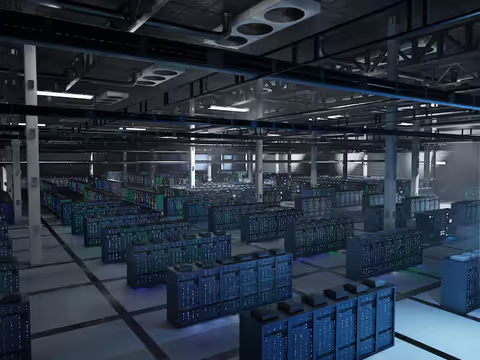
Data center backup power solutions have become increasingly significant as cloud computing and digital platforms expand globally. Information storage, financial transactions, and online communications depend upon stable electrical infrastructure.
Uninterruptible power technologies provide immediate energy during transitions between primary and secondary sources.
Enhancing Community Resilience
Communities exposed to severe weather events, natural disasters, or grid challenges often invest in emergency preparedness strategies. Emergency power supply systems contribute to resilience planning by supporting shelters, public facilities, and essential utilities.
These systems help communities maintain vital functions during extraordinary circumstances.
Enabling Energy Flexibility
Battery energy storage systems allow organizations to manage electricity more effectively. Stored energy can complement renewable generation and strengthen overall grid performance.
The integration of storage technologies reflects broader changes in energy infrastructure worldwide.
Recent Updates
Expansion of Battery Storage Technologies
From 2024 through 2026, battery energy storage systems continued to grow across industrial and commercial sectors. Improvements in battery chemistry, monitoring software, and energy management tools increased adoption in many regions.
Large-scale storage installations have become more common within utility networks and industrial facilities.
Hybrid Backup Configurations
Advanced backup power technologies increasingly combine generators, batteries, renewable energy systems, and intelligent controls. Hybrid approaches create greater flexibility during changing operating conditions.
These configurations help balance reliability with energy efficiency objectives.
Artificial Intelligence in Energy Management
Digital monitoring platforms now use predictive analytics to assess equipment performance and maintenance needs. Commercial backup power systems often incorporate sensors and software that identify potential issues before operational disruptions occur.
Automation contributes to more efficient energy management practices.
Growth in Data Infrastructure
Data center backup power solutions have expanded alongside growing demand for cloud computing, artificial intelligence applications, and digital communication networks. Energy resilience remains a major consideration within these facilities.
Operators continue exploring lower-emission technologies and improved storage methods.
Renewable Energy Integration
Battery systems increasingly work alongside solar and wind generation. Renewable resources combined with storage technologies create additional pathways for maintaining electrical continuity during grid interruptions.
This trend reflects broader changes in global energy planning.
Laws or Policies
Building Safety Regulations
Many countries establish building codes that address emergency electricity requirements. Hospitals, airports, and public facilities often operate under specific rules concerning backup power readiness.
These frameworks support public safety and infrastructure reliability.
Electrical Standards
International organizations develop technical standards related to wiring, energy storage, and standby power equipment. Compliance with recognized standards helps ensure safe installation and operation.
Examples include guidelines addressing battery systems, transfer switches, and generator connections.
Environmental Policies
Environmental regulations influence fuel usage, emissions management, and energy efficiency practices. Standby power generator systems must often meet air quality requirements established by national or regional authorities.
Battery technologies also operate within recycling and material management frameworks.
Data Infrastructure Requirements
Certain jurisdictions maintain requirements concerning data security and operational continuity. Data center backup power solutions may form part of broader resilience planning and regulatory expectations.
Continuous operation remains particularly important for critical digital infrastructure.
Renewable Energy Programs
Government initiatives increasingly encourage battery energy storage systems and renewable integration. Energy transition programs in various countries support modernization of electrical networks and resilience strategies.
These policies shape the evolution of advanced backup power technologies.
Tools and Resources
Energy Modeling Software
Digital modeling platforms help organizations analyze electricity demand and backup capacity requirements. These tools simulate operational scenarios and evaluate different system configurations.
They contribute to informed planning processes.
Battery Monitoring Platforms
Battery energy storage systems often include software dashboards that track performance, temperature, charging cycles, and energy availability.
Common monitoring functions include:
- Energy flow visualization.
- Battery health analysis.
- Historical usage records.
- Alarm notifications.
- Predictive maintenance indicators.
These features support effective system management.
Electrical Standards Organizations
Technical guidance documents published by recognized standards bodies assist engineers, facility managers, and infrastructure planners.
Such resources address safety, interoperability, and equipment performance.
Emergency Preparedness Templates
Government agencies frequently publish emergency planning templates for public institutions and businesses. These materials help organizations prepare for electrical disruptions and continuity challenges.
Preparedness planning remains an important component of resilience efforts.
Academic and Research Institutions
Universities and energy research centers contribute valuable information regarding advanced backup power technologies, battery development, and grid modernization.
Research findings support ongoing innovation within the energy sector.
Components of Modern Backup Power Infrastructure
Uninterruptible Power Supplies
UPS equipment provides immediate electricity during power interruptions. These systems bridge the transition between primary power sources and longer-duration backup solutions.
They are widely used in data centers, laboratories, and healthcare facilities.
Standby Power Generator Systems
Standby power generator systems remain a central component of emergency planning. Automatic controls activate generators when primary electricity becomes unavailable.
Fuel sources vary according to local infrastructure and operational requirements.
Battery Energy Storage Systems
Battery energy storage systems store electrical energy for later use. They can operate independently or alongside renewable energy technologies and conventional generators.
Rapid response times make batteries particularly useful for maintaining critical loads.
Transfer Switch Technology
Automatic transfer switches detect interruptions and redirect electrical flow to secondary sources. These devices help ensure smooth transitions during emergency conditions.
Their operation is fundamental to modern backup configurations.
Digital Monitoring Equipment
Sensors, software platforms, and communication tools provide continuous visibility into system performance. Industrial backup power solutions increasingly depend on digital technologies for efficient operation.
Remote monitoring capabilities support proactive maintenance strategies.
Applications Across Different Sectors
Healthcare Facilities
Hospitals require continuous electricity for medical equipment, lighting, refrigeration, and communication systems. Emergency power supply systems help maintain essential operations during grid disturbances.
Patient safety depends upon reliable infrastructure planning.
Manufacturing and Industry
Industrial backup power solutions support production continuity, equipment protection, and operational resilience. Factories often use hybrid arrangements involving batteries and standby generators.
Reliable energy access contributes to stable industrial activity.
Commercial Buildings
Commercial backup power systems help maintain elevators, security systems, information technology infrastructure, and emergency lighting.
Office complexes, educational institutions, and public venues frequently incorporate such systems.
Data Centers
Data center backup power solutions include multiple layers of redundancy. Batteries, generators, and sophisticated control systems work together to maintain continuous digital operations.
The importance of uninterrupted connectivity continues to grow globally.
Transportation Infrastructure
Airports, railway facilities, and traffic management systems depend upon dependable electrical availability. Backup technologies help maintain safe and efficient transportation networks.
Energy resilience supports broader public infrastructure goals.
FAQs
What are backup power systems?
Backup power systems are technologies that provide electricity when primary grid power becomes unavailable. They include batteries, generators, UPS equipment, and hybrid energy arrangements.
How do battery energy storage systems work?
Battery energy storage systems store electricity for future use. Energy can later be discharged to maintain operations during interruptions or periods of increased demand.
Where are commercial backup power systems commonly used?
Commercial backup power systems are widely used in offices, educational facilities, healthcare environments, retail spaces, and public infrastructure.
Why are data center backup power solutions important?
Data center backup power solutions help maintain digital operations, protect information systems, and support continuous online connectivity during electrical disruptions.
What technologies are included in advanced backup power technologies?
Advanced backup power technologies often combine battery storage, standby power generator systems, renewable energy integration, automation software, and remote monitoring tools.
Conclusion
Backup power systems have evolved from simple generator arrangements into sophisticated energy networks that include batteries, digital monitoring, and renewable integration. Industrial backup power solutions and commercial backup power systems support critical infrastructure across many sectors. Battery energy storage systems continue to shape modern resilience strategies, while data center backup power solutions address the growing importance of digital connectivity. The development of advanced backup power technologies reflects broader changes in energy management and infrastructure planning.