Industrial Gas Equipment: Insights into System Performance Concepts
Industrial gas equipment plays a pivotal role in various sectors, contributing to processes such as manufacturing, healthcare, and food processing. These systems ensure the efficient supply and use of gases like oxygen, nitrogen, carbon dioxide, and compressed air. By delving into the components and principles of industrial gas equipment, one can better appreciate how these systems contribute to operational efficiency and safety.
Industrial gas systems are intricate networks that include compressed gas cylinders, piping, flow meters, regulators, and storage tanks. Each component must function seamlessly to maintain a steady gas supply essential for various applications. Compressed gas cylinders, typically made from steel or high-strength aluminum, are designed to store gases at high pressures and ensure their safe transport and use across different work environments.
The safe operation and functionality of industrial gas equipment hinge on understanding the various types of gases and their applications. For instance, oxygen is critical in medical settings and metal fabrication processes, where it is used for cutting and welding. Nitrogen, on the other hand, plays a crucial role in creating inert atmospheres for food processing and preserving perishable goods. Each gas has unique handling requirements, necessitating equipment designed to accommodate its specific properties.
Beyond storage and transport, regulating the pressure and flow of gases is vital in industrial applications. Pressure regulators, often used in conjunction with gas cylinders, ensure that gases are released at a consistent and safe pressure level, essential to maintaining process integrity and equipment safety. These devices must be carefully selected based on the type of gas, application requirements, and the desired pressure and flow rates.
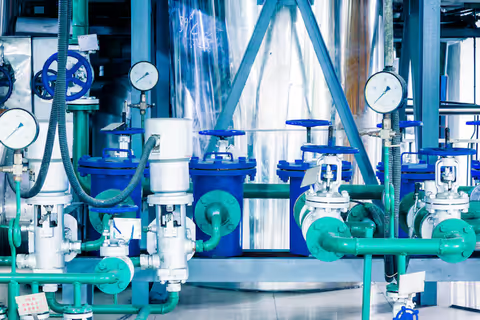
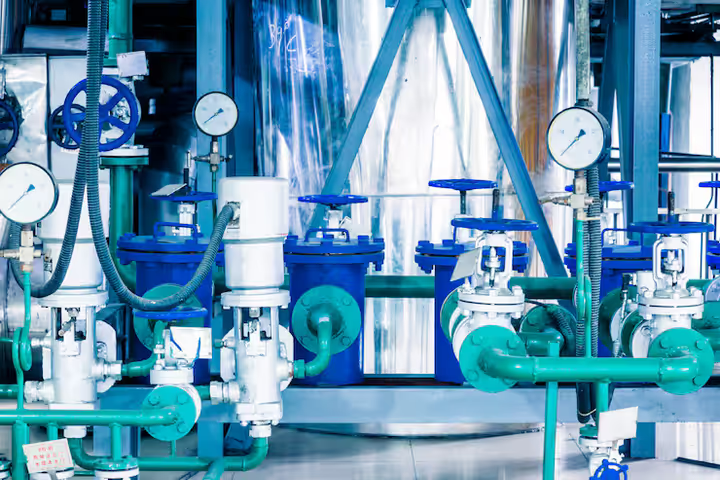
Piping systems are another critical component of industrial gas equipment, facilitating the delivery of gases from storage to their point of use. The design and installation of piping systems must consider factors such as gas type, pressure levels, and potential environmental stresses. Materials such as stainless steel and copper are commonly used for pipes due to their durability and resistance to corrosion, a crucial consideration in minimizing maintenance needs and ensuring system longevity.
In industrial settings, the integration of monitoring and control systems enhances predictability and efficiency. Flow meters track the amount of gas being utilized in real-time, providing valuable data for optimizing processes and detecting potential leaks or inefficiencies. Additionally, advanced control systems can automate operations, aligning gas delivery with demand fluctuations, improving energy efficiency, and reducing operational costs.
Safety remains a primary concern when working with industrial gases. Proper training for individuals handling gas equipment is essential, focusing on understanding the properties of various gases, recognizing potential hazards, and emergency response procedures. Regular inspection and maintenance of equipment help identify wear and tear, ensuring components are in optimal condition and reducing the risk of leaks or equipment failure.
Industrial gas equipment operators must also adhere to a series of standards and regulations designed to protect both workers and the environment. These regulations, often established by agencies such as the Occupational Safety and Health Administration (OSHA) and the Compressed Gas Association (CGA), specify guidelines for the safe usage, storage, and transportation of industrial gases. Compliance not only ensures safety but also enhances system performance by maintaining industry best practices.
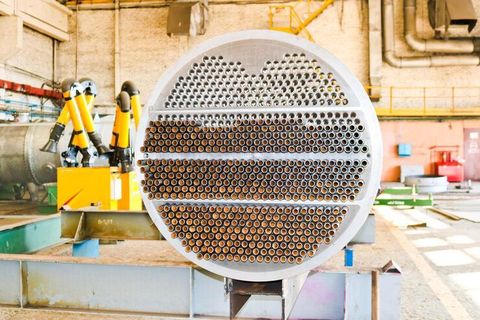
Energy efficiency is an increasingly important factor in industrial operations, and gas equipment is no exception. Innovations in equipment design and materials have led to systems that maximize gas usage while minimizing waste. For instance, advancements in heat exchangers used in gas separation processes have allowed for more efficient energy utilization, reducing the environmental footprint and operational costs.
In industrial applications, redundancy and reliability are crucial to ensure uninterrupted operations. Backup systems and emergency shutoffs are integral features of a well-designed gas supply system, providing failsafe mechanisms that protect against unforeseen disruptions or equipment malfunction. These features contribute to higher system reliability, assuring consistent gas supply under varying operational conditions.
The evolution of industrial gas technologies continues to offer new opportunities and challenges. As industries push towards more sustainable and environmentally friendly practices, advancements in gas capture, purification, and recycling technologies are becoming increasingly prevalent. These innovations aim to reduce greenhouse gas emissions and improve the overall ecological impact of industrial operations.
Understanding the principles of industrial gas equipment and its operating environment allows for more informed decision-making and optimization of processes. As these systems become more complex and integrated, the importance of collaboration between engineers, safety professionals, and operators grows, ensuring systems that are not only efficient but also innovative and safe.
In conclusion, industrial gas equipment represents a vital aspect of many modern industries. By exploring the intricacies of these systems—from component functionality to safety regulations—one can grasp the significant role they play in achieving operational excellence. As technology and regulation evolve, staying informed about industrial gas equipment and system performance will be key to advancing both efficiency and safety across diverse sectors.