Guide to Drilling Machines: Basics, Explanation, and Informative Tips to Learn More
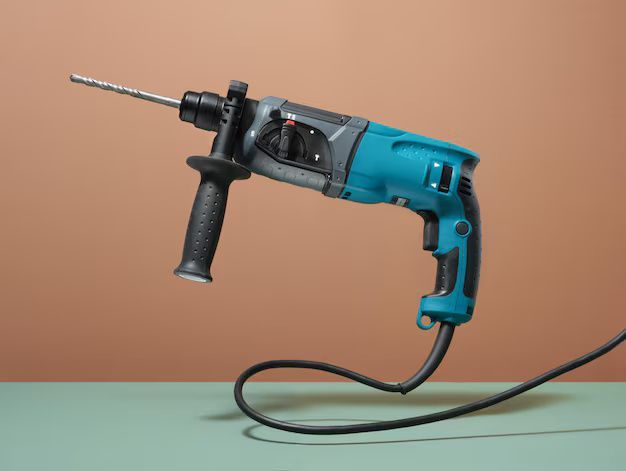
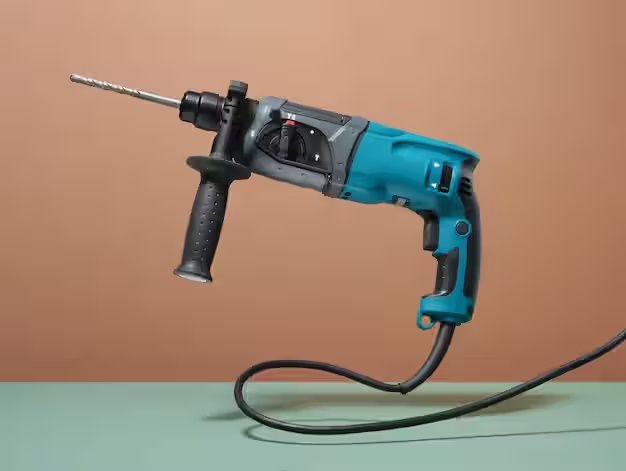
Understanding Drilling Machines and Their Origins Drilling machines are mechanical tools designed to create holes in solid materials such as metal, wood, plastic, and masonry. They operate by rotating a cutting tool called a drill bit while applying pressure to the material. This simple but effective principle allows precise holes to be formed for construction, manufacturing, and repair tasks.
The concept of drilling has existed for thousands of years. Early civilizations used hand-powered tools to create holes in wood and stone for building structures and crafting objects. Over time, the introduction of mechanical systems, electric motors, and improved materials transformed these early tools into modern drilling machines used in workshops and industries.
Today, drilling machines are common in manufacturing plants, maintenance workshops, construction environments, and educational training facilities. They support processes such as assembling machinery, building infrastructure, and creating accurate mechanical components.
Types of Drilling Machines
Different designs of drilling machines exist to handle various tasks and material types. Each type is structured for a specific environment or level of precision.
Some widely recognized types include:
- Hand Drill Machines: Portable devices used for household repairs and light mechanical work.
- Bench Drill Machines: Mounted on a workbench and commonly used in workshops for controlled drilling operations.
- Pillar or Column Drilling Machines: Larger machines mounted on a column for improved stability and deeper drilling.
- Radial Drilling Machines: Designed with an adjustable arm that allows drilling at multiple positions across large workpieces.
- CNC Drilling Machines: Computer-controlled equipment used in advanced manufacturing for precise and automated drilling operations.
These variations allow drilling machines to adapt to different work environments, from small repair tasks to large-scale industrial manufacturing.
Importance
Why Drilling Machines Matter in Modern Industries
Drilling machines play a fundamental role in many industries because holes are essential in mechanical assemblies and structural systems. Bolts, screws, rivets, and fasteners require precise holes to hold parts together.
Industries that commonly rely on drilling machines include:
- Manufacturing: Production of mechanical components and equipment.
- Construction: Structural frameworks, metal fittings, and infrastructure projects.
- Automotive engineering: Engine components, frames, and vehicle assembly.
- Aerospace engineering: Aircraft structures and precision components.
- Woodworking and furniture production: Structural joints and assembly holes.
Without drilling machines, it would be difficult to produce parts that require accurate alignment and consistent dimensions.
Problems Addressed by Drilling Machines
Drilling machines help address several practical challenges in fabrication and construction processes.
Some of these challenges include:
- Precision requirements: Machines maintain consistent hole size and depth.
- Efficiency in production: Mechanized drilling reduces manual effort and increases output.
- Material compatibility: Specialized drill bits allow drilling into metals, plastics, ceramics, and wood.
- Safety and control: Modern machines include guards, clamps, and speed controls to improve safe operation.
By solving these challenges, drilling machines contribute to more efficient manufacturing and construction processes.
Recent Updates
Technological Developments in Drilling Machines
Between 2024 and 2026, several technological developments have influenced drilling machine design and usage. Manufacturers and engineering researchers continue to explore improvements in automation, energy efficiency, and digital monitoring.
One notable trend is the integration of computer control systems into drilling equipment. Computer numerical control (CNC) drilling machines allow programmed operations, enabling precise hole placement and repeatable results in complex manufacturing tasks.
Another development involves smart monitoring systems. Sensors integrated into modern drilling machines can track vibration levels, temperature changes, and tool wear. These systems help operators understand machine conditions and maintain consistent performance.
Growth of Portable and Compact Designs
Portable drilling machines have also evolved with improved battery technology and lighter materials. These designs support work in construction sites and field environments where fixed machines are not practical.
Key improvements include:
- Lithium-ion battery technology allowing longer operational periods
- Brushless motor designs improving efficiency and durability
- Compact structural frames that reduce machine weight
These developments help extend the range of environments where drilling machines can operate.
Environmental and Energy Considerations
Industrial machinery is increasingly influenced by environmental awareness and energy efficiency goals. Modern drilling machines often include:
- Energy-efficient motors
- Reduced noise output
- Improved cooling systems
- Durable components designed for longer operational life
These features support sustainable manufacturing practices while maintaining productivity.
Laws or Policies
Safety Regulations for Machine Operation
Drilling machines operate at high rotational speeds and involve cutting tools, which means safety regulations are important in workplaces where they are used.
Many countries establish occupational safety rules that guide the safe operation of mechanical equipment. In India, industrial safety standards are supported by regulatory frameworks such as the Factories Act, 1948, which outlines requirements for workplace safety in manufacturing facilities.
These regulations encourage organizations to implement protective equipment, machine guards, and operational training.
Workplace Safety Standards
Additional safety guidelines are supported by organizations such as Occupational Safety and Health Administration, whose frameworks influence global industrial safety practices. These guidelines emphasize proper machine handling, maintenance procedures, and risk awareness.
Common safety practices include:
- Wearing protective eyewear and gloves
- Securing materials before drilling
- Using machine guards and shields
- Maintaining correct drilling speeds for different materials
These rules aim to reduce workplace accidents and improve safe equipment usage.
Environmental Compliance
Environmental policies can also influence machine design and industrial operations. Some manufacturing facilities follow guidelines developed by international organizations such as International Organization for Standardization.
Standards such as ISO guidelines encourage energy-efficient machinery, safe material handling, and responsible manufacturing processes.
Tools and Resources
Digital Tools for Learning About Drilling Machines
Various educational resources and digital platforms help individuals learn about drilling machines, machine design, and mechanical engineering principles.
Some widely used learning resources include:
- National Institute of Open Schooling educational materials related to technical skills and engineering basics.
- Coursera, which provides technical courses on mechanical engineering and manufacturing systems.
- Autodesk Fusion 360, commonly used to design mechanical parts that require drilling operations.
- SolidWorks, a design platform used in industrial product development.
These tools help learners understand mechanical design, manufacturing processes, and machine operation principles.
Common Drill Bit Types and Their Applications
Different drill bits are used for different materials. The table below summarizes several commonly used drill bit types.
| Drill Bit Type | Common Material Applications | Typical Use |
|---|---|---|
| Twist Drill Bit | Metal, wood, plastic | General-purpose drilling |
| Masonry Drill Bit | Concrete, brick, stone | Construction drilling |
| Spade Drill Bit | Wood | Large diameter holes |
| Step Drill Bit | Thin metal sheets | Enlarging existing holes |
| Hole Saw | Wood, metal, plastic | Large circular openings |
Understanding the appropriate drill bit type helps improve drilling efficiency and accuracy.
Educational Guides and Technical Manuals
Engineering institutions and manufacturers publish manuals that explain drilling machine operation, maintenance practices, and safety guidelines. These materials often include diagrams, operational procedures, and troubleshooting guidance.
Such documentation helps learners understand machine structure, including components like the spindle, chuck, feed handle, and drill head.
FAQs
What is a drilling machine and how does it work?
A drilling machine is a mechanical device used to create holes in materials by rotating a drill bit. The machine applies rotational motion and downward pressure, allowing the cutting edges of the drill bit to remove material and form a hole.
What are the main types of drilling machines?
Common types include hand drill machines, bench drilling machines, pillar drilling machines, radial drilling machines, and CNC drilling machines. Each type is designed for different levels of precision and workpiece size.
Why are drilling machines important in manufacturing?
Drilling machines help create accurate holes required for bolts, screws, and mechanical assembly. These holes ensure that parts align correctly in machinery, vehicles, and structural systems.
What materials can drilling machines work with?
Drilling machines can work with a wide range of materials including metals, wood, plastics, ceramics, and masonry. The appropriate drill bit type is selected based on the material.
What safety precautions are important when using drilling machines?
Important precautions include securing the workpiece, using protective eyewear, maintaining correct machine speeds, and ensuring drill bits are properly tightened before operation.
Conclusion
Drilling machines are widely used mechanical tools designed to create precise holes in various materials. Their development from simple manual tools to advanced automated systems reflects the growing complexity of manufacturing and construction industries. Technological developments, safety regulations, and digital learning resources continue to shape how these machines are understood and used. By supporting accurate fabrication processes, drilling machines remain an important component of modern engineering and industrial activities.