Hydraulic pumps are mechanical devices used to convert mechanical power into hydraulic energy by moving fluid through a system. This pressurized fluid is then used to transmit power, operate machinery, and perform work in various applications.
Hydraulic pumps play a vital role in industries ranging from construction and agriculture to manufacturing and aerospace. They exist because many machines require high power density, smooth control, and efficient force transmission that cannot be achieved by electric or pneumatic systems alone.
The basic principle is simple: a hydraulic pump takes in fluid at low pressure, increases its pressure, and delivers it to the hydraulic system where it powers actuators such as cylinders and motors.
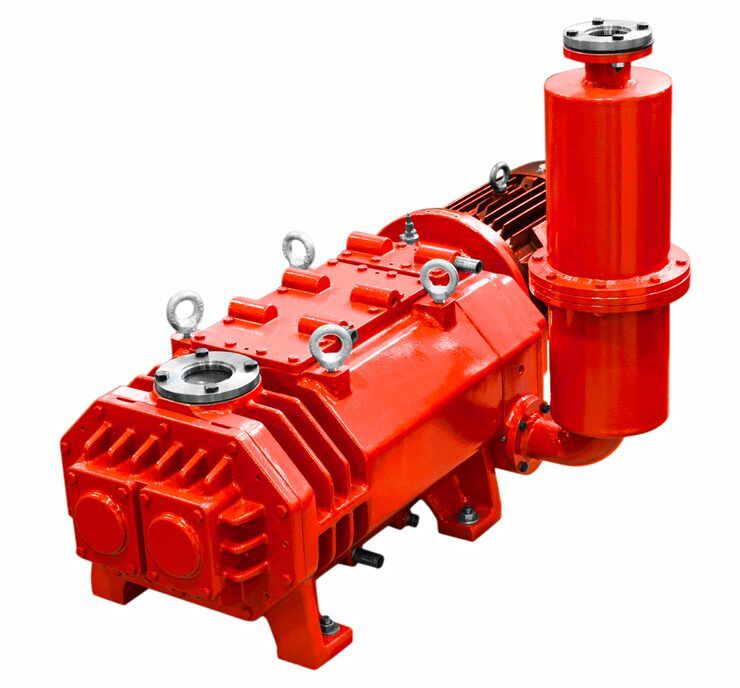
Why Hydraulic Pumps Matter Today
Hydraulic pumps are essential in modern engineering and industry due to their ability to deliver consistent, powerful performance.
Key reasons why they matter:
-
High Power Density: Hydraulic systems can deliver large amounts of force from relatively compact pumps.
-
Efficiency in Heavy Machinery: Used in construction equipment, agricultural machines, and industrial presses where strength is critical.
-
Precision Control: Many hydraulic pumps provide smooth and accurate control of motion.
-
Durability: Designed to withstand high pressure and tough operating conditions.
-
Versatility: Applied in transportation, mining, aerospace, automotive, and marine industries.
For workers and industries, hydraulic pumps solve the problem of moving heavy loads, powering complex tools, and operating efficiently under demanding conditions.
Recent Updates and Trends in Hydraulic Pumps
In the past year, hydraulic pump technology has advanced in several ways:
-
Electro-Hydraulic Integration (2023–2024): Combining electronic controls with hydraulic pumps for smarter, more energy-efficient systems.
-
Noise Reduction Technologies: Manufacturers are focusing on quieter pumps to meet industrial and environmental standards.
-
Sustainability Focus: New designs aim to reduce energy consumption and improve fluid efficiency.
-
Smart Monitoring Systems: Sensors and IoT-based solutions allow real-time condition monitoring, reducing downtime.
-
Global Market Growth (2024 Reports): Rising demand in construction and renewable energy sectors has boosted adoption of advanced hydraulic systems worldwide.
-
Miniaturized Hydraulic Pumps: Used in aerospace and robotics where space and weight constraints exist.
These trends indicate a shift toward cleaner, smarter, and more efficient hydraulic systems.
Rules, Standards, and Policies for Hydraulic Pumps
Hydraulic pumps are regulated by safety, environmental, and quality standards worldwide. Some key frameworks include:
-
ISO Standards: ISO 4413 sets safety requirements for hydraulic fluid power systems.
-
ANSI/ASME Standards: Provide guidelines for pump design, testing, and safety.
-
Environmental Regulations: Many countries regulate hydraulic fluid leakage and disposal to protect the environment.
-
European Union Machinery Directive: Ensures pumps meet health and safety requirements before use in EU industries.
-
Occupational Safety Rules: National laws often require regular inspection and maintenance of hydraulic systems in workplaces.
Governments also promote energy-efficient hydraulic technologies as part of sustainability programs.
Tools and Resources for Learning About Hydraulic Pumps
For professionals, students, or general learners, many resources are available to understand hydraulic pumps better:
-
Hydraulic Simulation Software: Tools like Automation Studio or MATLAB help visualize pump performance.
-
Manufacturer Guides: Leading pump companies provide detailed technical manuals and case studies.
-
Industry Standards Databases: ISO and ANSI websites for official safety and quality standards.
-
Educational Platforms: Websites like Fluid Power World and Hydraulics & Pneumatics offer articles and tutorials.
-
Training Courses: Online programs from engineering institutes covering fluid power and hydraulic design.
-
Engineering Handbooks: Reference books such as Fluid Power Engineering provide deeper knowledge.
These tools make learning more practical and accessible.
Comparison of Hydraulic Pump Types
| Type of Hydraulic Pump | How It Works | Typical Applications |
|---|---|---|
| Gear Pump | Uses gears to move fluid | Construction equipment, agriculture |
| Vane Pump | Vanes slide inside a rotor to create flow | Industrial machinery, injection molding |
| Piston Pump | Uses pistons to pressurize fluid | Aerospace, high-pressure systems |
| Screw Pump | Uses rotating screws to move fluid | Marine and lubrication systems |
| Axial/ Radial Pumps | Pistons arranged axially or radially | Heavy-duty machinery, hydraulics research |
This table shows how pump design matches specific industrial needs.
Frequently Asked Questions About Hydraulic Pumps
What is the main function of a hydraulic pump?
Its main function is to convert mechanical energy into hydraulic energy, supplying pressurized fluid for system operation.
Which industries rely most on hydraulic pumps?
Construction, agriculture, aerospace, automotive, marine, and manufacturing are major users.
How long does a hydraulic pump last?
With proper maintenance, many pumps last between 10,000 to 20,000 operating hours, depending on design and application.
What causes hydraulic pump failure?
Common causes include fluid contamination, overheating, improper installation, and lack of maintenance.
Are hydraulic pumps being replaced by electric alternatives?
Electro-hydraulic systems are emerging, but hydraulic pumps remain critical for high-force applications.
Final Thoughts
Hydraulic pumps are an essential foundation of modern industry, enabling efficient power transmission and precise control in a wide range of applications. Their durability and effectiveness in heavy-duty environments make them indispensable.
Recent trends show a move toward smarter, quieter, and more sustainable systems, supported by stricter safety and environmental standards. As technology advances, hydraulic pumps will continue to evolve, combining traditional strength with digital intelligence for industries worldwide.
Understanding hydraulic pumps not only benefits engineers and professionals but also helps industries adopt more efficient and reliable solutions for the future.