Guide To Modular Kitchen Design Services, Layouts,Costs, And Insights
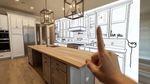
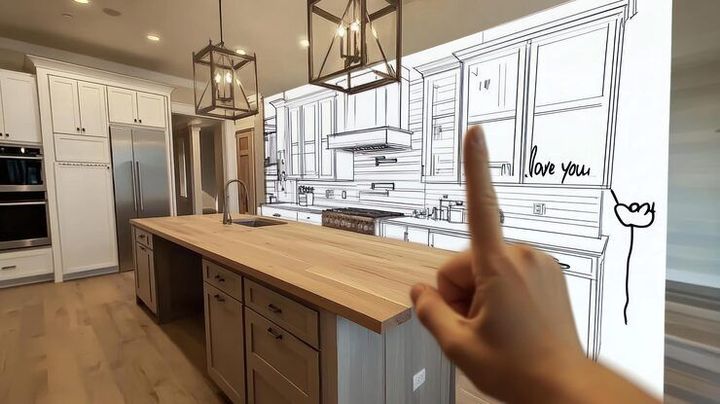
A modular kitchen is a modern kitchen setup made using pre-designed cabinet units, storage sections, countertops, and fittings that are assembled together in a planned layout. Unlike traditional kitchens that are built entirely on-site, modular kitchens use factory-made components designed for efficiency, organization, and space management.
The concept became popular due to changing urban lifestyles, smaller apartment spaces, and the growing need for organized storage systems. Today, modular kitchen planning is widely discussed in home improvement, interior architecture, and smart living trends.
Modern modular kitchen layouts often include features such as:
- Base cabinets and wall cabinets
- Pull-out drawers and organizers
- Chimney and ventilation systems
- Built-in appliances
- Space-saving storage solutions
- Moisture-resistant materials
- Smart lighting systems
The popularity of modular kitchen interiors has increased because they support faster installation, cleaner designs, and easier maintenance compared to older kitchen structures.
Common Modular Kitchen Layouts
| Layout Type | Best Suitable For | Key Feature |
|---|---|---|
| L-Shaped Kitchen | Small and medium homes | Efficient corner usage |
| U-Shaped Kitchen | Large cooking spaces | Maximum storage |
| Parallel Kitchen | Apartments | Separate work zones |
| Island Kitchen | Open homes | Central workspace |
| Straight Kitchen | Compact flats | Simple single-wall setup |
Popular Materials Used
| Material | Common Usage | Known For |
|---|---|---|
| Plywood | Cabinets | Durability |
| MDF | Decorative panels | Smooth finish |
| Stainless Steel | Frames and shelves | Moisture resistance |
| Acrylic Finish | Cabinet shutters | Glossy appearance |
| Laminate | Surface finish | Easy cleaning |
Why Modular Kitchen Planning Matters Today
Modern homes are becoming more compact, especially in urban areas. This has increased the importance of efficient kitchen space planning. A modular kitchen helps improve workflow, reduce clutter, and support organized storage.
Families today also rely heavily on appliances such as microwaves, dishwashers, induction cooktops, and smart refrigerators. Modular kitchen systems are designed to accommodate these technologies safely and efficiently.
Key Benefits of Organized Kitchen Layouts
Better Space Utilization
Small apartments often face storage limitations. Modular systems use corners, vertical walls, and pull-out units effectively.
Improved Hygiene
Modern kitchen surfaces are easier to clean and maintain. Materials are designed to resist moisture, stains, and pests.
Energy Efficiency
Kitchen planning now focuses on ventilation, LED lighting, and energy-efficient appliance placement.
Safety Improvements
Well-designed kitchens reduce fire hazards, electrical clutter, and water leakage risks.
Who Is Most Affected by Kitchen Design Trends?
- Apartment owners
- Urban families
- Interior planners
- Real estate developers
- Home renovation professionals
- Smart home technology users
Problems Solved by Modular Kitchen Systems
| Common Problem | Modular Kitchen Solution |
|---|---|
| Lack of storage | Pull-out organizers and tall units |
| Poor ventilation | Chimney and airflow planning |
| Kitchen clutter | Segmented storage areas |
| Difficult maintenance | Easy-clean surfaces |
| Limited workspace | Multi-functional counters |
High-value home improvement keywords such as kitchen remodeling ideas, smart kitchen storage, interior renovation planning, luxury kitchen interiors, and energy-efficient kitchen solutions are frequently associated with this topic in digital publishing and real estate discussions.
Recent Trends and Developments in Modular Kitchens
The modular kitchen industry has seen major design and technology changes during 2025 and early 2026. Interior design preferences are shifting toward functionality, sustainability, and smart automation.
Smart Kitchen Technology Growth
During 2025, many households adopted smart kitchen systems that include:
- Motion sensor lighting
- Voice-controlled appliances
- App-connected chimneys
- Smart water purifiers
- Digital cooking assistants
Smart kitchen integration has become more common in premium residential projects.
Sustainable Material Trends
Environmental awareness has influenced kitchen manufacturing trends. Designers increasingly prefer:
- Recycled wood panels
- Low-emission laminates
- Water-based finishes
- Energy-saving lighting systems
Sustainable interior design became a major discussion point across architecture exhibitions in 2025.
Matte Finish Cabinets Became Popular
Glossy acrylic finishes were once dominant, but matte textures gained attention during 2025 due to their minimal maintenance and modern appearance.
Compact Kitchen Innovations
Urban apartments continue to shrink in size. As a result, manufacturers introduced:
- Foldable breakfast counters
- Hidden storage drawers
- Multi-purpose islands
- Sliding pantry systems
Rise of AI-Based Interior Planning
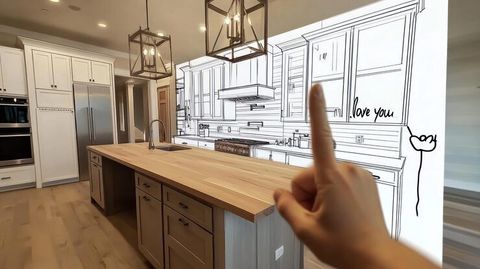
Several interior planning platforms introduced AI-powered visualization tools in late 2025. These tools help homeowners preview kitchen layouts digitally before installation.
Regulations, Building Policies, and Safety Standards
Kitchen design is influenced by building safety standards, electrical regulations, and environmental guidelines. Different countries follow different construction codes, but certain principles are common globally.
Electrical Safety Standards
Kitchen layouts must follow electrical load regulations due to heavy appliance usage. Common requirements include:
- Separate circuits for large appliances
- Proper earthing systems
- Water-resistant switches
- Fire-safe wiring materials
Ventilation and Fire Safety Rules
Building authorities often recommend:
- Proper chimney outlets
- Adequate airflow systems
- Fire-resistant materials near cooktops
- Emergency gas shutoff systems
Environmental and Green Building Guidelines
Green building programs encourage:
- Low-energy lighting
- Sustainable construction materials
- Water-saving fixtures
- Waste management planning
Housing Development Policies
In countries such as India, modern housing developments increasingly promote smart infrastructure and energy-efficient interiors. Residential projects launched during 2025 commonly included modular kitchen-ready spaces as part of apartment planning standards.
Accessibility Considerations
Some housing regulations now encourage accessible kitchen layouts for elderly users and people with mobility limitations. This includes:
- Lower countertop heights
- Smooth cabinet edges
- Slip-resistant flooring
- Wider movement areas
Helpful Tools and Resources for Kitchen Planning
Digital tools have simplified modular kitchen planning and interior visualization. Many homeowners now use online resources before starting renovation discussions.
Kitchen Layout Planning Tools
| Tool Type | Main Purpose |
|---|---|
| 3D Room Planner | Visualize layouts |
| Storage Calculators | Estimate cabinet space |
| Lighting Simulators | Plan illumination |
| Material Estimators | Compare surface materials |
| Budget Worksheets | Track expenses |
Interior Design Applications
Several interior design applications provide:
- Virtual kitchen previews
- Color palette matching
- Cabinet arrangement ideas
- Appliance placement simulations
Measurement and Planning Resources
Useful planning resources include:
- Kitchen triangle calculators
- Ventilation requirement guides
- Countertop height charts
- Appliance spacing templates
Smart Home Integration Platforms
Modern kitchen systems may connect with:
- Home automation platforms
- Energy monitoring systems
- Smart security controls
- Voice assistant ecosystems
Common Kitchen Planning Metrics
| Planning Element | Recommended Range |
|---|---|
| Countertop Height | 34–36 inches |
| Walking Space | 3–4 feet |
| Chimney Height | 24–30 inches above cooktop |
| Drawer Depth | 18–24 inches |
Frequently Asked Questions
What is the difference between a modular kitchen and a traditional kitchen?
A modular kitchen uses factory-made cabinet units assembled in a planned layout, while traditional kitchens are built entirely on-site using manual carpentry methods.
Which modular kitchen layout works best for small apartments?
L-shaped and straight kitchen layouts are commonly preferred for compact homes because they maximize usable floor area while maintaining functionality.
What materials are commonly used in modern kitchen cabinets?
Plywood, MDF, laminate, acrylic, and stainless steel are widely used due to their durability, finish quality, and moisture resistance.
Why is ventilation important in kitchen design?
Good ventilation helps remove smoke, odors, grease particles, and excess heat. It also improves indoor air quality and supports appliance efficiency.
Are smart kitchen systems becoming common?
Yes. Smart lighting, app-controlled appliances, sensor technology, and automated ventilation systems have become more popular during recent years, especially in urban residential projects.
Conclusion
Modular kitchen planning has evolved from a luxury concept into a practical part of modern home design. With urban living spaces becoming smaller and technology becoming more integrated into daily life, organized kitchen systems now play a significant role in comfort, efficiency, and safety.
Current trends show growing interest in sustainable materials, smart automation, compact storage systems, and energy-efficient layouts. At the same time, building regulations and environmental guidelines continue to influence how kitchens are designed and maintained.

You May Also Like