Recycling machines are specialized equipment designed to process waste materials into reusable resources. They handle a wide range of materials such as plastics, metals, paper, glass, and electronics. Their main function is to sort, shred, compress, or melt waste so it can be repurposed into new products.
The existence of recycling machines reflects the need to manage increasing waste volumes, reduce environmental harm, and conserve natural resources. Without such systems, large amounts of materials would end up in landfills or pollute ecosystems.
Recycling machines are used in industries, municipalities, and even at smaller scales in community recycling centers. By converting waste into usable raw materials, they support both environmental protection and sustainable development.
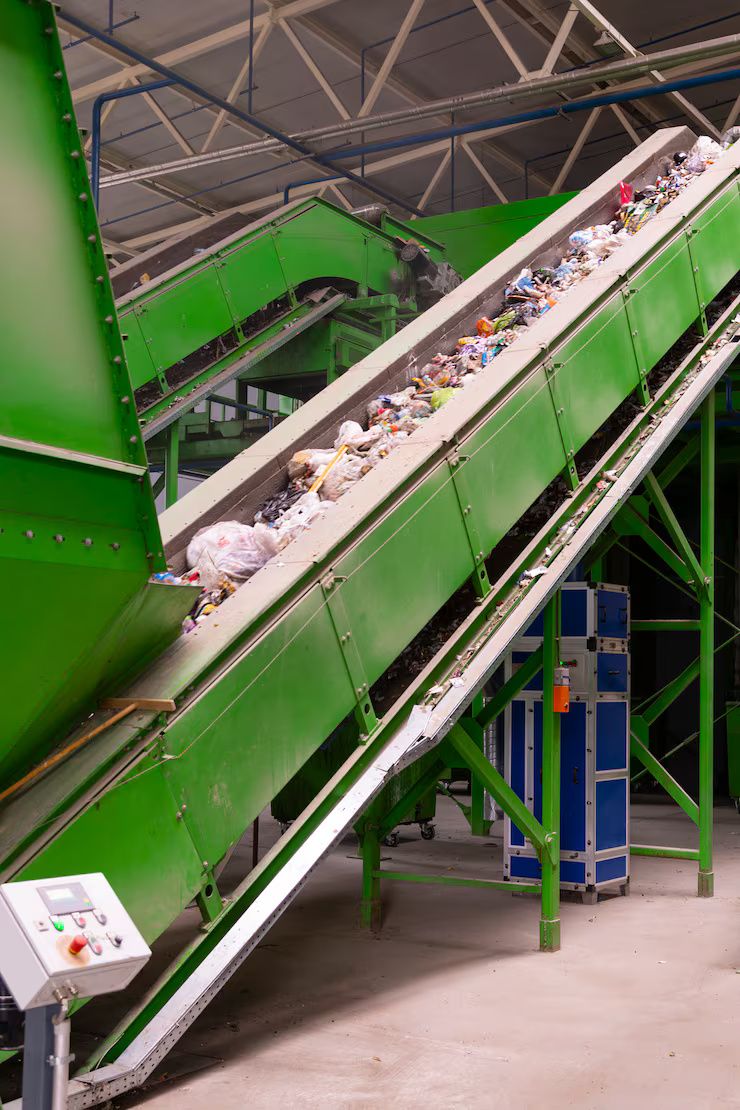
Why Recycling Machines Matter Today
Recycling machines are important for several reasons:
-
Environmental protection: They reduce landfill waste and pollution.
-
Resource conservation: Metals, plastics, and paper can be reprocessed instead of extracting new raw materials.
-
Energy savings: Recycling often consumes less energy compared to manufacturing products from virgin resources.
-
Circular economy: Recycling machines help create a system where materials are continually reused.
-
Urban waste management: Cities rely on machines for efficient sorting and processing of large-scale waste.
These machines affect industries, governments, and households by creating practical solutions to waste problems and supporting climate change mitigation efforts.
Recent Developments and Trends
In 2023–2024, recycling machine technology has seen notable updates:
-
AI-powered sorting systems: New machines use sensors and artificial intelligence to separate materials with higher accuracy.
-
Robotic automation: Robotics are increasingly integrated into recycling facilities to improve speed and reduce labor dependency.
-
Compact recycling machines: Smaller, decentralized models are being designed for use in offices, schools, and apartment complexes.
-
Plastic-to-fuel innovation: Some recycling machines now convert plastics into usable fuel through chemical processes.
-
Global growth: According to industry reports, the global recycling equipment market is expected to grow steadily through 2025, driven by sustainability goals.
These developments show how recycling machines are adapting to meet modern waste challenges.
Regulations, Laws, and Government Policies
Recycling machines and their use are strongly influenced by environmental laws and programs:
-
Extended Producer Responsibility (EPR): Many countries require manufacturers to manage the recycling of their products.
-
Waste management directives: Regions like the European Union enforce strict guidelines on recycling rates.
-
Plastic waste bans: National policies limiting single-use plastics are driving the adoption of recycling machines.
-
Government incentives: Grants and subsidies often support the installation of recycling equipment.
-
Safety standards: Recycling machines must meet international safety regulations to ensure safe operation.
These policies ensure machines are deployed responsibly and effectively contribute to waste reduction goals.
Tools and Resources for Learning More
Several resources can help students, researchers, and professionals explore recycling machines further:
-
Websites:
-
Environmental Protection Agency (EPA) – Recycling information and resources
-
European Environment Agency (EEA) – Data on waste and recycling
-
Waste360 and Recycling Today – Industry news and updates
-
-
Tools and Apps:
-
Waste-sorting apps that educate users about recyclables
-
Recycling calculators to estimate savings in energy and emissions
-
Databases of recycling machine manufacturers and technology providers
-
-
Reports and Publications:
-
Global Waste Management Outlook (UNEP)
-
International Solid Waste Association (ISWA) reports
-
These resources provide reliable insights into technology, policies, and practical applications.
Common Types of Recycling Machines
| Machine Type | Primary Function | Materials Processed |
|---|---|---|
| Shredders | Break down waste into smaller pieces | Plastics, metals, wood |
| Balers | Compress recyclable materials into compact bales | Paper, cardboard, plastics |
| Granulators | Grind waste into fine granules | Plastics, rubber |
| Sorting Machines | Use sensors or manual systems to separate materials | Mixed waste |
| Compactors | Reduce waste volume for easier handling | Municipal solid waste |
| Extruders | Melt and reshape plastic into pellets | Plastic waste |
| Glass Crushers | Crush glass into cullet for reuse | Bottles, containers |
This overview shows the diversity of machines and their specific applications.
Frequently Asked Questions
What is the role of recycling machines in waste management?
They process waste into reusable materials, helping reduce landfill use and conserve resources.
How do recycling machines benefit the environment?
By reducing pollution, conserving raw materials, and saving energy, recycling machines contribute to sustainability.
Are recycling machines used in households?
Yes, smaller-scale machines exist for plastics, cans, and organic waste, though large-scale systems are mainly industrial.
What are the latest innovations in recycling machines?
Recent trends include AI-powered sorting, robotic arms, and chemical recycling technologies like plastic-to-fuel systems.
Do recycling machines require government approval?
Yes, machines must follow environmental and safety standards, which vary depending on country regulations.
Conclusion
Recycling machines are vital tools for managing waste and advancing sustainable development. They exist to reduce environmental damage, conserve valuable resources, and support a circular economy.
Recent trends show technological progress in automation, artificial intelligence, and decentralized recycling, making waste processing more efficient and accessible. Governments continue to support these efforts through policies and incentives.
By learning about recycling machines, individuals and communities gain a deeper appreciation of how everyday waste can be transformed into valuable resources. With growing global awareness, recycling machines will remain an essential part of future waste solutions.