Guide to Tourmaline Gemstones: Basics, Explanation, and Informative Tips to Learn More
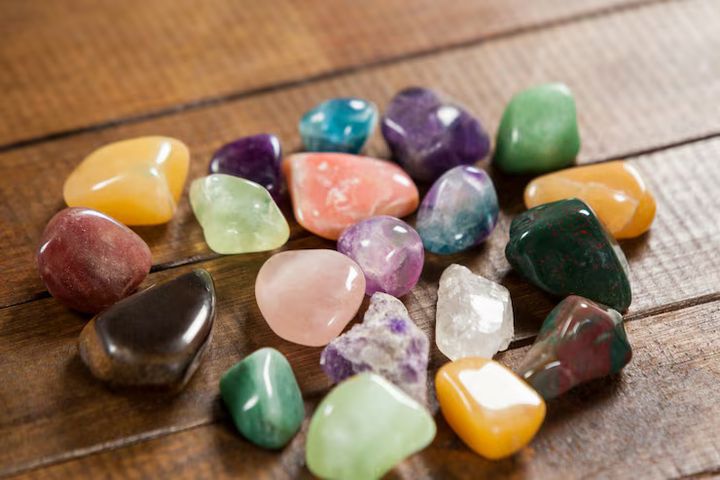
Tourmaline gemstones are a group of colorful minerals commonly found in many parts of the world. They are known for their wide range of colors, which can include shades of green, pink, blue, yellow, and even color combinations within a single crystal. Because of this variety, tourmaline gemstones have attracted attention from researchers, collectors, and jewelry designers for many years.
The name “tourmaline” comes from a Sinhalese word used in Sri Lanka to describe mixed gemstones. Over time, scientists identified tourmaline as a complex mineral group composed of boron, aluminum, silicon, and other elements. Different chemical compositions within the mineral structure create the diverse colors associated with tourmaline gemstones.
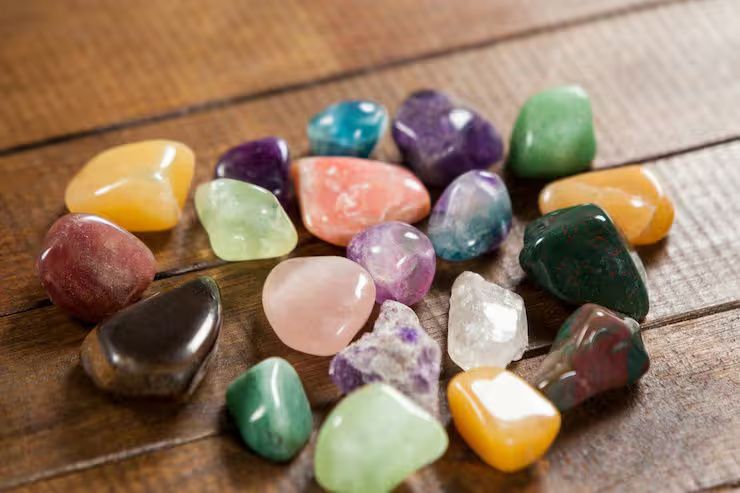
These gemstones form deep within the Earth under specific geological conditions. They are commonly discovered in igneous and metamorphic rocks and are often extracted from regions known for mineral deposits. Countries such as Brazil, Afghanistan, Madagascar, Nigeria, and the United States are known for producing different varieties of tourmaline gemstones.
Understanding the basics of tourmaline gemstones helps readers recognize their physical characteristics, geological origins, and cultural significance. Learning about gemstone properties, formation processes, and identification features provides useful background knowledge for anyone interested in natural minerals.
Importance
Tourmaline gemstones hold importance in several areas, including geology, gemology, and cultural traditions. Their wide range of colors makes them a valuable subject of study for scientists who analyze mineral composition and crystal formation.
For researchers, tourmaline crystals provide clues about the geological environment in which they formed. The mineral’s chemical structure can record information about temperature, pressure, and fluid conditions present during its formation. This makes tourmaline an informative mineral in geological studies.
For the general public, tourmaline gemstones are commonly associated with jewelry and decorative objects. Their color diversity allows designers to work with many visual styles. Some stones display multiple colors within the same crystal, which makes them visually distinctive.
Tourmaline gemstones also appear in educational materials related to mineral science. Students studying geology or earth science often encounter tourmaline when learning about mineral groups, crystal systems, and gemstone identification.
Several everyday challenges related to gemstones include identifying authentic minerals, understanding color variations, and recognizing differences between natural and treated stones. Educational resources about tourmaline gemstones help address these challenges by explaining how gemstone characteristics develop naturally.
Recent Updates
In recent years, interest in tourmaline gemstones has continued to grow due to advancements in gemstone research and mineral analysis techniques. Improved laboratory equipment allows scientists to study the chemical composition and crystal structure of tourmaline in greater detail.
One development involves more precise gemstone identification methods. Spectroscopic analysis and microscopic examination help gemologists distinguish between natural tourmaline gemstones and stones that have undergone treatments. These methods support transparency in gemstone classification.
Another trend is the growing documentation of new tourmaline deposits in different regions. Geological surveys continue to explore mineral-rich areas, and research publications often report findings related to tourmaline-bearing rock formations.
Color-changing and multicolored tourmaline varieties have also attracted attention in mineral collections and academic research. Stones that display two or more colors in the same crystal structure illustrate how environmental conditions influence mineral growth.
Educational platforms and online mineral databases have expanded access to gemstone information. Readers can now explore mineral classifications, chemical formulas, and crystal structures through digital resources that explain the scientific aspects of tourmaline gemstones.
Laws or Policies
Gemstones, including tourmaline gemstones, are subject to various regulations related to mining, trade documentation, and mineral resource management. These regulations vary depending on the country where the gemstones are extracted.
Mining activities are typically governed by national mineral resource laws. Governments regulate mineral extraction through licensing systems, environmental assessments, and land-use policies. These regulations help manage natural resources and reduce environmental impact.
International guidelines also influence gemstone trade practices. Documentation and certification processes are often used to verify the origin of gemstones and ensure transparency in the supply chain.
In some countries, government agencies oversee mineral exploration and mining operations. These agencies may conduct geological surveys, establish safety guidelines for mining activities, and maintain records of mineral production.
Policies related to gemstone identification and labeling are also relevant in educational and commercial contexts. Gemological laboratories and professional organizations often establish standards for gemstone classification, treatment disclosure, and identification procedures.
Tools and Resources
Several tools and resources help individuals learn more about tourmaline gemstones and mineral identification. These resources are commonly used by students, researchers, and gemstone enthusiasts.
Educational resources include:
- Mineral databases: Online mineral databases provide information about gemstone chemical composition, crystal structure, and physical properties.
- Gemology textbooks: Academic books explain gemstone classification, mineral groups, and identification methods used in geology.
- Geological survey publications: Government geological organizations publish reports about mineral deposits and gemstone formation.
- Gemstone identification tools: Instruments such as refractometers, microscopes, and spectroscopes assist in analyzing gemstone characteristics.
- Digital learning platforms: Educational websites and university resources provide introductory knowledge about gemstones and mineral science.
The table below summarizes common varieties of tourmaline gemstones and their typical colors.
| Tourmaline Variety | Common Color Range | Notable Characteristics |
|---|---|---|
| Elbaite | Pink, green, blue | Often used in jewelry due to color variety |
| Schorl | Black | Common iron-rich tourmaline |
| Dravite | Brown, dark yellow | Magnesium-rich composition |
| Paraíba-type | Neon blue, turquoise | Copper-bearing tourmaline variety |
| Watermelon tourmaline | Green outer layer with pink center | Multicolored crystal structure |
These varieties illustrate how chemical differences within the tourmaline mineral group produce a wide range of visual appearances.
FAQs
What are tourmaline gemstones?
Tourmaline gemstones are a group of boron-based minerals that occur in many different colors. Their chemical composition varies depending on the elements present during crystal formation, which leads to diverse gemstone varieties.
How do tourmaline gemstones form in nature?
Tourmaline gemstones typically form in igneous and metamorphic rocks. They develop when mineral-rich fluids interact with surrounding rock during geological processes involving heat and pressure.
Why do tourmaline gemstones appear in many colors?
The color of tourmaline gemstones depends on the trace elements present in the mineral structure. Elements such as iron, manganese, copper, and chromium influence the color variations observed in different stones.
What is watermelon tourmaline?
Watermelon tourmaline is a type of tourmaline gemstone that displays two distinct colors within a single crystal. The outer layer is usually green, while the center portion appears pink.
How are tourmaline gemstones identified?
Gemologists identify tourmaline gemstones using several methods, including visual examination, refractive index measurement, and spectroscopic analysis. These techniques help determine mineral composition and gemstone characteristics.
Conclusion
Tourmaline gemstones are a diverse group of minerals known for their wide range of colors and complex chemical composition. They form under specific geological conditions and appear in several regions around the world. Their study contributes to fields such as geology, mineralogy, and gemology. Educational resources and scientific tools help explain how these gemstones develop and how their properties are identified. Understanding the basics of tourmaline gemstones provides useful insight into natural mineral formation.