Guide to Ultrasound Machines: Basics, Explanation, and Informative Tips to Learn More
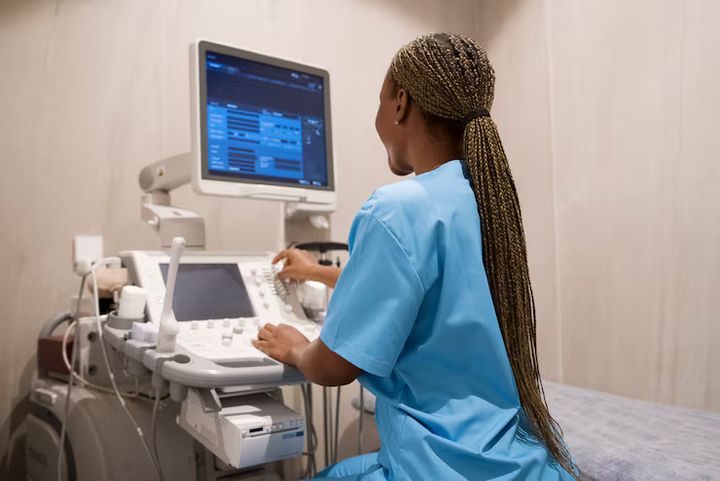
Ultrasound machines are medical imaging devices that use high-frequency sound waves to create images of structures inside the body. The method behind these devices is called ultrasound imaging or sonography. It allows healthcare professionals to observe organs, tissues, and blood flow without surgical procedures.
The technology works by sending sound waves into the body through a handheld device called a transducer. These waves bounce off internal structures and return to the machine, which converts the echoes into visual images. Because the process uses sound waves instead of radiation, ultrasound imaging has become widely used in many healthcare environments.
The origins of ultrasound technology trace back to early scientific studies of sound wave reflection and underwater detection systems. Over time, researchers adapted similar principles to medical imaging. Today, ultrasound machines are common tools in diagnostic imaging, prenatal monitoring, and various clinical examinations.
Ultrasound imaging is often used to observe soft tissues that may not appear clearly on other imaging methods. It can help visualize organs such as the liver, kidneys, heart, and reproductive structures. The technology continues to evolve with improvements in image clarity, portability, and digital integration.
How Ultrasound Machines Work
Ultrasound machines rely on the interaction between sound waves and body tissues. The process typically follows several steps:
- Sound wave generation: The transducer emits high-frequency sound waves into the body.
- Wave reflection: Different tissues reflect sound waves in varying ways depending on density and composition.
- Signal detection: The transducer receives the reflected echoes.
- Image creation: The machine’s software processes the echoes and converts them into real-time images.
The images produced help healthcare professionals observe movement, structure, and sometimes blood flow within the body.
Main Components of an Ultrasound Machine
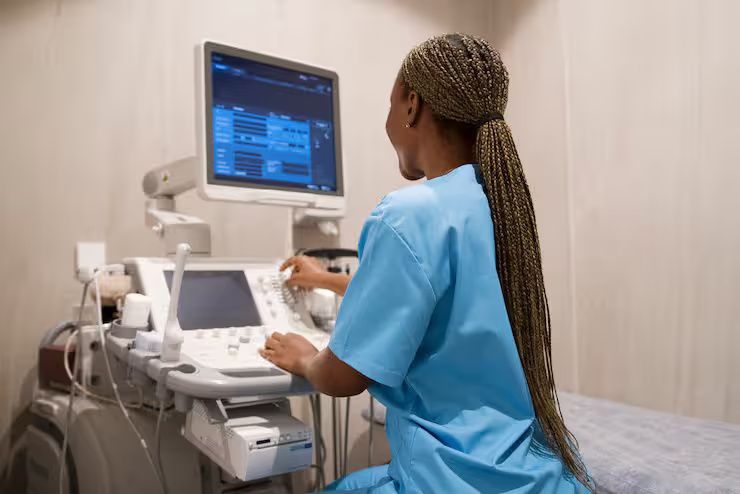
Ultrasound machines consist of several key parts that work together to create diagnostic images.
- Transducer probe: Sends and receives sound waves.
- Central processing unit: Interprets signals and forms visual images.
- Display monitor: Shows real-time images for observation.
- Control panel: Allows adjustments to image depth, brightness, and other parameters.
- Storage system: Saves images and examination records for future reference.
These components allow ultrasound machines to produce images quickly and support various types of medical examinations.
Importance
Ultrasound machines play an important role in healthcare because they help visualize internal structures without invasive procedures. The technology is widely used for diagnostic imaging, monitoring, and medical evaluation.
For many patients, ultrasound imaging provides useful information during routine health assessments. It is commonly used to examine abdominal organs, monitor pregnancy development, evaluate heart function, and observe blood circulation. The ability to produce real-time images allows healthcare professionals to monitor movement and changes within the body.
Ultrasound machines also support decision-making in clinical environments. By providing clear images of organs and tissues, the technology helps healthcare teams identify possible abnormalities or structural changes. These observations may assist in guiding further testing or medical evaluations.
Another important aspect of ultrasound imaging is accessibility in different healthcare environments. Portable ultrasound machines allow examinations in clinics, emergency settings, and remote locations where large imaging systems may not be available. This flexibility expands access to diagnostic imaging for more patients.
The technology also helps reduce exposure to ionizing radiation. Since ultrasound imaging relies on sound waves, it is often used in situations where minimizing radiation exposure is important. For example, prenatal ultrasound examinations help monitor fetal development during pregnancy.
Common Medical Applications
Ultrasound machines are used across multiple areas of healthcare. Some common applications include:
- Obstetric imaging: Monitoring fetal growth and development during pregnancy.
- Cardiac examinations: Evaluating heart structures and blood flow using echocardiography.
- Abdominal imaging: Observing organs such as the liver, pancreas, and kidneys.
- Musculoskeletal assessment: Examining muscles, tendons, and joints.
- Vascular imaging: Monitoring blood circulation and identifying potential blockages.
The variety of applications demonstrates how ultrasound technology supports many aspects of medical evaluation.
Typical Ultrasound Imaging Types
Different ultrasound imaging modes provide various types of information.
| Ultrasound Type | Main Purpose | Common Use |
|---|---|---|
| 2D Ultrasound | Standard cross-section images | Pregnancy monitoring |
| 3D Ultrasound | Three-dimensional structure visualization | Fetal facial structure observation |
| 4D Ultrasound | Real-time 3D imaging with movement | Fetal motion monitoring |
| Doppler Ultrasound | Measures blood flow | Vascular and cardiac evaluation |
| Echocardiography | Heart structure and function imaging | Cardiac examinations |
Each type supports different diagnostic needs depending on the medical situation.
Recent Updates
Recent developments in ultrasound machines have focused on improving image quality, portability, and digital connectivity. Advances in computing technology have allowed imaging systems to process signals more efficiently, resulting in clearer and more detailed images.
One major trend is the growth of portable and handheld ultrasound devices. These smaller systems connect with tablets or mobile displays, allowing imaging to take place in a variety of healthcare environments. Portable technology supports rapid examinations in emergency situations and remote medical settings.
Artificial intelligence is also influencing ultrasound imaging. Some modern systems include software that assists with image interpretation, measurement automation, and anatomical identification. These tools may help healthcare professionals analyze images more efficiently.
Another development involves improved Doppler imaging techniques that allow more detailed observation of blood flow patterns. Enhanced Doppler capabilities can help clinicians study circulation within arteries and veins.
Cloud-based image storage and digital integration are becoming more common as well. Ultrasound machines increasingly connect with hospital information systems, allowing images to be stored, reviewed, and shared across healthcare networks.
These developments reflect a broader trend toward digital healthcare technologies that support data accessibility and collaborative medical analysis.
Laws or Policies
Ultrasound machines are regulated under medical device frameworks in many countries. These regulations aim to ensure that imaging equipment meets safety and performance standards before being used in healthcare environments.
In the United States, ultrasound devices fall under regulations administered by the U.S. Food and Drug Administration. Manufacturers must demonstrate that medical imaging devices meet established safety and quality requirements before they are introduced into clinical use.
Within the European Union, medical imaging equipment is regulated through the Medical Device Regulation. This framework outlines procedures for device evaluation, certification, and monitoring to ensure patient safety.
In India, medical devices including ultrasound machines are regulated by the Central Drugs Standard Control Organization. Regulations focus on device approval, manufacturing standards, and safe clinical usage.
India also has specific legal guidelines governing ultrasound use in prenatal examinations. The Pre‑Conception and Pre‑Natal Diagnostic Techniques Act establishes rules to prevent misuse of prenatal diagnostic technologies and to promote ethical medical practices.
These regulatory systems help ensure that ultrasound machines are developed, tested, and used responsibly within healthcare systems.
Tools and Resources
Several digital tools and informational resources help healthcare professionals and learners understand ultrasound machines and ultrasound imaging techniques. These resources often provide educational materials, image libraries, and clinical guidelines.
Educational Platforms
Some organizations provide learning materials related to ultrasound imaging and medical diagnostics.
- World Health Organization health resources: The World Health Organization publishes technical guidance related to healthcare technologies and medical imaging.
- Radiology learning platforms: Educational websites and professional organizations share training materials about ultrasound imaging methods and interpretation.
Clinical Reference Databases
Medical professionals often consult databases that provide information about imaging techniques and anatomical structures.
- Medical literature databases: Research archives help clinicians stay informed about ultrasound technology developments.
- Diagnostic reference libraries: Image collections assist with learning pattern recognition in ultrasound imaging.
Software and Imaging Systems
Modern ultrasound machines may include integrated software features that assist with image analysis.
- Measurement tools: Automated tools help measure organ dimensions or blood flow parameters.
- Digital storage systems: Imaging software stores examination results and allows later review.
- Cloud-connected platforms: Some systems enable image sharing between healthcare facilities for collaborative analysis.
These tools support both educational learning and clinical workflow efficiency in medical imaging environments.
FAQs
What is an ultrasound machine used for?
An ultrasound machine is used to create images of internal body structures using high-frequency sound waves. Healthcare professionals use ultrasound imaging to observe organs, monitor pregnancy development, and evaluate blood flow.
How do ultrasound machines produce images?
Ultrasound machines send sound waves into the body through a transducer. The waves reflect off tissues and return as echoes. The machine processes these echoes and converts them into visual images displayed on a monitor.
Is ultrasound imaging safe?
Ultrasound imaging uses sound waves rather than ionizing radiation. Because of this, it is widely used for medical examinations such as prenatal monitoring and abdominal imaging. Healthcare professionals follow established guidelines when using ultrasound equipment.
What are the main types of ultrasound machines?
Common types include 2D ultrasound systems, Doppler ultrasound machines, and 3D or 4D imaging systems. Each type provides different types of information depending on the clinical examination.
How long has ultrasound technology been used in medicine?
Medical ultrasound imaging began developing in the mid-20th century as researchers explored the use of sound waves for diagnostic imaging. Since then, ultrasound machines have become widely used in hospitals, clinics, and diagnostic centers.
Conclusion
Ultrasound machines are important tools in modern medical imaging. By using sound waves to create images of internal structures, they help healthcare professionals observe organs, tissues, and blood circulation. The technology supports a wide range of diagnostic examinations and monitoring activities. Recent developments in portability, digital connectivity, and software integration continue to shape the evolution of ultrasound imaging systems.