Guide to Wind Energy Projects: Basics, Explanation, and Informative Tips to Learn More
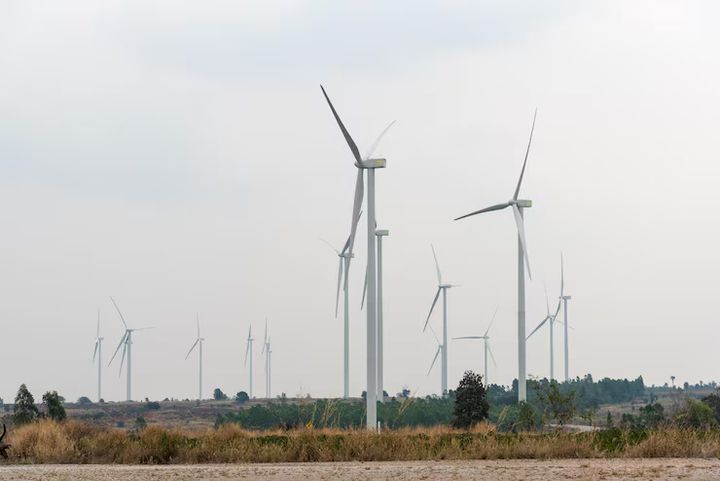
Wind energy projects are initiatives designed to generate electricity by using the natural movement of air in the atmosphere. The concept is based on converting wind power into electrical energy through turbines. As global interest in renewable energy grows, wind energy projects are increasingly discussed as part of the broader shift toward cleaner electricity generation.
Wind occurs naturally due to uneven heating of the Earth’s surface by the sun. When air moves from areas of high pressure to low pressure, wind is created. Wind turbines capture this motion using large rotating blades connected to a generator. The rotation of these blades converts kinetic energy from the wind into electricity that can be supplied to power grids.
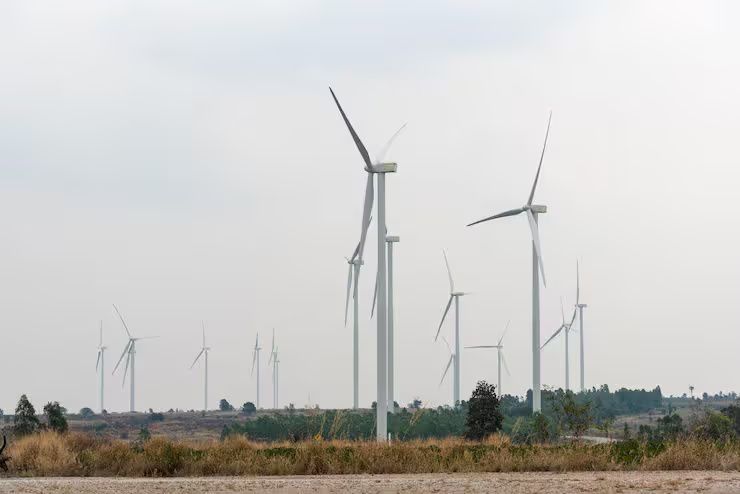
Wind energy projects may exist in various forms. Some are large wind farms located in open land or offshore areas, while others are smaller installations serving communities or individual facilities. The scale and design depend on factors such as wind availability, land conditions, and electricity demand.
The growing attention toward wind energy projects reflects wider efforts to diversify energy sources. Many countries are studying ways to integrate renewable technologies into existing electricity systems while maintaining stability and reliability.
Importance
Wind energy projects play a role in addressing several modern energy challenges. Electricity demand continues to increase as populations grow and industries expand. At the same time, many regions are seeking alternatives to energy sources that rely heavily on fossil fuels.
One key reason wind energy projects matter is their reliance on a naturally replenished resource. Wind is continuously generated by atmospheric processes, making it different from energy sources that depend on finite fuels.
Wind energy projects can contribute to several broader goals, including:
- Energy diversification: Wind power adds another source of electricity generation alongside solar, hydro, and conventional power plants.
- Environmental considerations: Wind turbines generate electricity without combustion, which means they do not produce emissions during operation.
- Regional development: Large wind installations often require infrastructure such as roads, transmission lines, and maintenance facilities.
- Energy security: Countries with suitable wind resources may reduce dependence on imported fuels by expanding wind power capacity.
Wind energy projects also affect local communities and land use planning. Careful evaluation is often required to balance energy generation with environmental protection, wildlife considerations, and nearby residential areas.
Basic Components of Wind Energy Projects
Most wind energy projects share several core elements that allow them to generate and deliver electricity:
- Wind turbines: Devices with rotating blades that capture wind energy and convert it into mechanical motion.
- Generators: Equipment that transforms mechanical motion from turbine rotation into electrical energy.
- Transmission systems: Power lines that carry generated electricity from wind farms to the broader power grid.
- Monitoring systems: Digital tools that track turbine performance, wind conditions, and operational safety.
Typical Wind Energy Project Development Stages
Wind energy projects often progress through multiple stages before electricity production begins.
- Site assessment: Measuring wind speed, direction, and consistency to determine whether a location is suitable.
- Environmental studies: Evaluating possible effects on wildlife, ecosystems, and nearby communities.
- Project design: Determining turbine placement, capacity, and grid connection plans.
- Construction and installation: Building turbine foundations, installing towers and blades, and connecting equipment to transmission lines.
- Operation and monitoring: Managing turbine performance and maintaining equipment over time.
Recent Updates
From 2024 to 2026, wind energy projects have continued to expand in many parts of the world. Several trends have shaped this development.
One noticeable change is the growth of offshore wind installations. Offshore projects are located in coastal waters where wind speeds are often stronger and more consistent. Advances in turbine size and floating platform technology have made offshore wind projects more technically feasible in deeper waters.
Another development involves improvements in turbine design. Modern wind turbines have taller towers and longer blades than earlier models. These changes allow turbines to capture more wind energy even in areas with moderate wind speeds.
Digital monitoring systems are also becoming more common. Many wind energy projects now use data analysis tools that track turbine performance in real time. These systems help operators detect equipment issues and improve energy output forecasting.
In addition, grid integration technologies have evolved. Energy storage systems and advanced grid management software are increasingly used to balance wind power generation with electricity demand. These systems help maintain stable electricity supply even when wind speeds fluctuate.
Laws or Policies
Wind energy projects are influenced by national and regional regulations that guide how renewable energy is developed and integrated into electricity systems.
In many countries, renewable energy frameworks outline how projects are approved, constructed, and connected to power grids. These frameworks often include environmental review processes, land use approvals, and technical safety standards.
Renewable Energy Policies
Governments frequently adopt policies that support renewable electricity generation, including wind power. These policies may include:
- Renewable energy targets: National goals that encourage electricity production from renewable sources.
- Grid integration rules: Technical standards ensuring that wind-generated electricity can safely connect to transmission networks.
- Environmental protection guidelines: Requirements for wildlife protection, noise limits, and land management practices.
Policy Environment in India
India has developed several initiatives related to renewable energy development, including wind energy projects. These initiatives aim to increase the share of renewable electricity in the national power system.
Policies often focus on areas such as:
- Expansion of wind power capacity in regions with favorable wind conditions
- Development of offshore wind potential along coastal regions
- Strengthening transmission infrastructure for renewable electricity
Government agencies and energy regulators oversee the approval and monitoring of wind energy projects to ensure compliance with environmental and technical standards.
Tools and Resources
Various tools and informational platforms can help individuals, researchers, and planners understand wind energy projects more clearly. These resources provide data about wind conditions, energy production potential, and project planning.
Some commonly used resources include:
- Wind resource maps: Geographic data showing average wind speeds across regions.
- Energy production calculators: Tools that estimate electricity generation based on turbine size and wind conditions.
- Renewable energy databases: Collections of information about installed wind capacity, project locations, and energy statistics.
- Environmental assessment templates: Structured frameworks used to evaluate ecological impacts during project planning.
Several organizations provide widely referenced tools and data platforms, including:
- International Renewable Energy Agency
- National Renewable Energy Laboratory
- Global Wind Energy Council
These platforms publish reports, wind data, and technical insights that help researchers and policymakers understand the development of wind energy projects worldwide.
Example of Wind Turbine Characteristics
| Turbine Feature | Typical Range |
|---|---|
| Tower Height | 80–120 meters |
| Blade Length | 40–70 meters |
| Power Capacity | 1–5 megawatts |
| Operational Lifespan | 20–25 years |
| Average Cut-In Wind Speed | 3–4 meters per second |
These ranges vary depending on turbine design, location, and technological development.
FAQs
What are wind energy projects?
Wind energy projects are systems designed to generate electricity using wind turbines. These turbines capture the movement of air and convert it into electrical energy that can be distributed through power grids.
How do wind energy projects generate electricity?
Wind turns the blades of a turbine, causing a rotor to spin. This mechanical motion drives a generator that produces electricity. The generated power is then transmitted through cables and connected to electricity networks.
Where are wind energy projects usually located?
Wind energy projects are often built in locations where wind speeds are consistent and strong. These areas may include open plains, coastal regions, mountain passes, and offshore waters.
What factors affect wind energy project efficiency?
Several elements influence how much electricity a project can produce. These include wind speed, turbine height, blade design, and turbine spacing within a wind farm.
Are wind energy projects environmentally friendly?
Wind turbines generate electricity without combustion during operation, which means they do not produce emissions while running. However, project planning often includes environmental assessments to address potential effects on wildlife, land use, and surrounding communities.
Conclusion
Wind energy projects represent one approach to generating electricity using naturally occurring wind. They involve technologies such as turbines, generators, and grid connections that convert atmospheric motion into electrical power. As renewable energy development continues, wind power remains part of discussions about energy diversification and environmental considerations. Understanding how wind energy projects function can help readers recognize their role within modern energy systems.