Gujarati Silver Anklets Guide: Explore Traditional Designs, History, and Cultural Significance
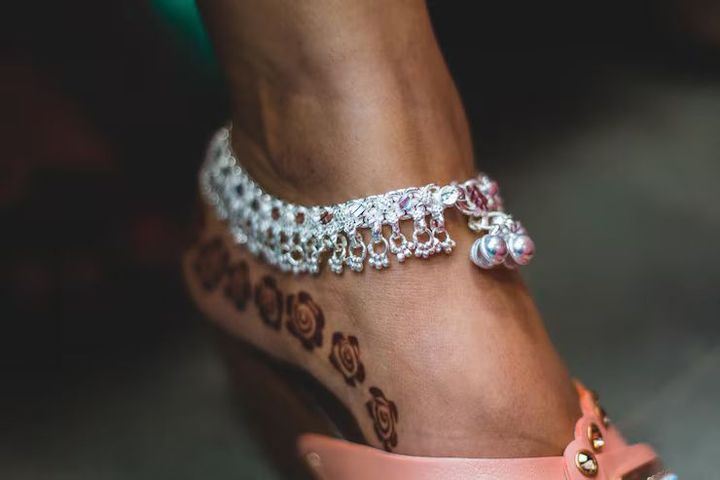
Gujarati silver anklets, commonly known as payal or paijeb, are traditional jewelry pieces worn around the ankles. They are deeply rooted in cultural traditions across Gujarat and other regions of India. These ornaments have been part of everyday attire and ceremonial wear for centuries, reflecting artistic craftsmanship and cultural heritage.
Historically, anklets were crafted from silver rather than gold due to cultural beliefs that gold should not be worn on the feet. Silver was considered both respectful and practical for jewelry worn below the waist. Gujarati artisans developed intricate patterns, combining small bells, engraved designs, and traditional motifs inspired by nature and regional symbolism.
Gujarati silver anklets exist in several styles, including:
- Thick tribal anklets worn in rural areas
- Delicate chain anklets used in festive wear
- Heavy handcrafted anklets used in traditional ceremonies
- Anklets with small bells that create rhythmic sounds while walking
These anklets are typically made through manual metalworking techniques such as engraving, casting, and hand polishing. Over time, their designs have evolved, but their cultural meaning remains tied to tradition, identity, and artistic heritage.
Why Gujarati Silver Anklets Remain Important Today
Gujarati silver anklets continue to hold significance in both cultural and artistic contexts. They represent traditional identity while also adapting to modern design preferences. Their importance spans across various groups and disciplines.
Key Groups Connected to This Topic
- Cultural historians studying Indian jewelry traditions
- Artisans preserving handcrafted metalwork
- Designers exploring heritage-inspired jewelry
- Students learning about regional cultural practices
- Researchers studying traditional craft industries
One major reason for their continued relevance is the preservation of traditional craftsmanship. These skills are often passed down through generations and require specialized expertise.
Cultural Role in Celebrations
Gujarati anklets help maintain cultural continuity during:
- Weddings
- Religious festivals
- Traditional dance performances
- Cultural ceremonies
In many rural communities, anklets symbolize social traditions and family heritage. For example, newly married women may wear specific styles to indicate marital status.
From a design perspective, traditional patterns continue to influence modern jewelry trends. Cultural tourism and educational programs also highlight their historical and artistic value.
Recent Developments and Cultural Trends
In recent years, there has been increased interest in traditional Indian craftsmanship. Cultural exhibitions and heritage programs have helped promote awareness of Gujarati jewelry.
Emerging Trends (2024–2025)
- Revival of traditional Gujarati jewelry motifs
- Increased digital documentation of craft traditions
- Cultural festivals showcasing jewelry-making techniques
- Academic research on tribal and folk jewelry
In early 2025, heritage initiatives emphasized documenting artisan techniques and supporting craft communities. Workshops and training programs have played a key role in this effort.
Digital technology is also influencing this field. Tools like high-resolution scanning and 3D modeling are used to preserve intricate designs. Social media platforms further help spread awareness of traditional jewelry.
Regulations and Cultural Policies Affecting Traditional Jewelry
Traditional jewelry production is influenced by regulations and cultural policies in India. These frameworks ensure quality while supporting artisan communities.
Key Regulatory Areas
- Hallmarking standards for silver (regulated by BIS)
- Cultural heritage preservation programs
- Handicraft promotion initiatives
- Intellectual property protections
- Export regulations for jewelry
Government-supported initiatives encourage the documentation and promotion of traditional crafts. In Gujarat, programs often include:
- Craft exhibitions
- Cultural fairs
- Educational workshops
- Artisan training programs
These policies help maintain cultural significance while ensuring industry standards.
Helpful Tools and Educational Resources
Various tools and resources help individuals study Gujarati silver anklets and traditional jewelry craftsmanship. These resources are useful for researchers, students, and designers.
Common Learning Resources
- Cultural heritage websites
- Digital museum collections
- Jewelry design software (CAD tools)
- Craft documentation platforms
- Academic publications
Research Resource Table
| Resource Type | Purpose | Example Use |
|---|---|---|
| Digital Museums | Cultural documentation | Study historical anklet designs |
| CAD Design Tools | Pattern analysis | Recreate traditional motifs |
| Academic Journals | Cultural research | Study jewelry symbolism |
| Craft Archives | Skill preservation | Document artisan techniques |
Researchers also analyze key design elements such as:
- Metal thickness
- Pattern engraving
- Bell attachments
- Symbolic motifs
These components help in understanding both artistic and cultural meanings.
Frequently Asked Questions
What are Gujarati silver anklets traditionally called?
They are commonly referred to as payal or paijeb. These anklets are worn around the ankle and are a key part of traditional jewelry in Gujarat.
Why are anklets made from silver instead of gold?
In many Indian traditions, gold is not worn on the feet as a sign of respect. Silver is considered more appropriate for lower-body jewelry.
What designs are common in Gujarati anklets?
Common designs include engraved patterns, floral motifs, geometric shapes, and small bells that create a soft sound when walking.
Are Gujarati anklets connected to cultural traditions?
Yes, they are closely linked to weddings, festivals, and traditional dances. They also represent regional identity and heritage.
How are traditional silver anklets made?
They are handcrafted using techniques such as casting, engraving, shaping, and polishing.
Cultural Insights into Gujarati Jewelry Traditions
Traditional Gujarati jewelry reflects regional artistic styles and historical influences. Many anklet designs are inspired by:
- Nature and flowers
- Temple architecture
- Folk art motifs
- Tribal cultural symbols
Some tribal communities wear heavier anklets with bold shapes and detailed metalwork. These designs often carry both decorative and symbolic meanings.
Comparison of Anklet Styles
| Style Type | Characteristics | Cultural Context |
|---|---|---|
| Tribal Anklets | Thick and heavy metalwork | Rural communities |
| Decorative Anklets | Fine chains with bells | Festivals and events |
| Engraved Anklets | Detailed surface patterns | Traditional craftsmanship |
| Minimalist Anklets | Simple and lightweight | Modern adaptations |
These variations highlight how jewelry reflects social practices and artistic expression.
Conclusion
Gujarati silver anklets represent more than decorative ornaments. They reflect centuries of cultural tradition, craftsmanship, and regional identity. From tribal designs to ceremonial pieces, they showcase the richness of Gujarati jewelry.
Today, these anklets are studied through research, museum collections, and educational programs. Modern preservation efforts, including digital documentation, are helping protect these traditions.
Understanding Gujarati silver anklets offers insight into India’s cultural history. Their continued relevance highlights the importance of preserving traditional craftsmanship for future generations.